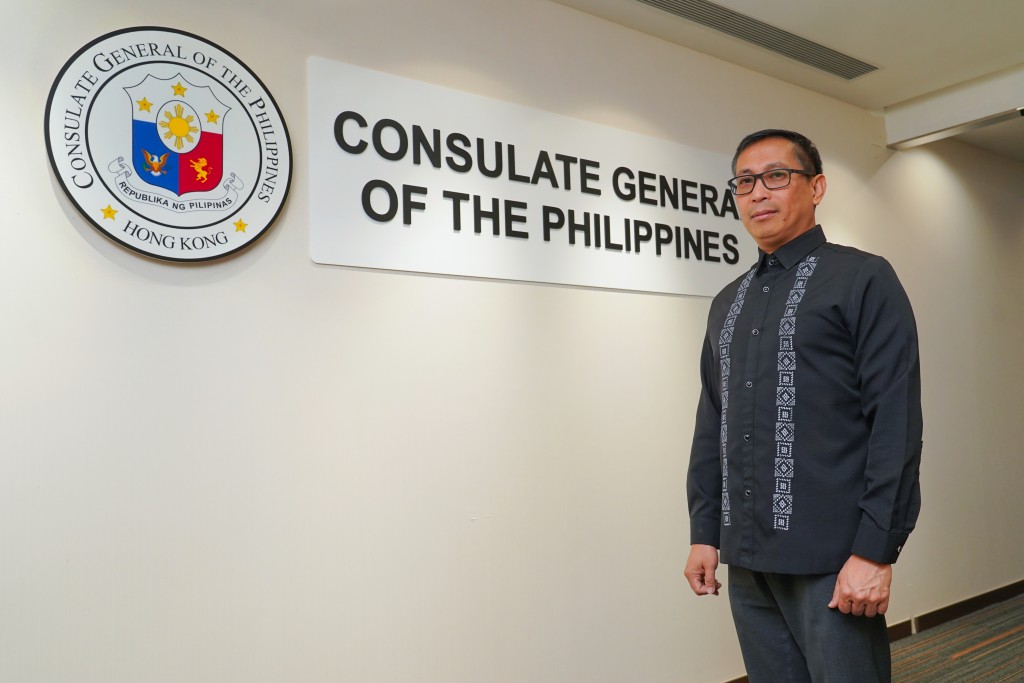
Many are unaware that the bond between Hong Kong and the Philippines runs deeper than migrant workers and domestic helpers coming to the city to work. According to the Philippine Consul General in Hong Kong Romulo Victor Manzano Israel Jr, these ties stretch back over a century, woven into the Philippine fight for independence and linked to the revolutionary icons of two nations.
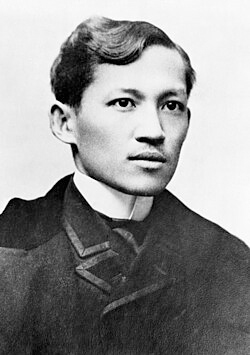
At the heart of this connection is Philippine national hero Jose Rizal. Between 1891 and 1892, Rizal operated his ophthalmology clinic on D’Aguilar Street while residing at Rednaxela Terrace with his family – a deliberate choice. “That was an upscale neighborhood, so he wanted to stay there precisely because he wanted to show the world that Filipinos are equal in every way,” noted Israel.
Philippine national hero Jose Rizal.
A polymath, Rizal treated patients while planning the Philippine reform movement, fueled by the momentum of his earlier novels Noli Me Tangere and El Filibusterismo, which exposed Spanish colonial cruelty.
“He was actually considered the first Filipino because he had this imagination of the Filipino nation,” Israel said. Before his work, the Philippines’ 7,600 islands were a patchwork of diverse cultures, languages, and chieftaincies, easily divided and colonized. “He imagined the name 'Filipino' should reflect the identity of the people who were born there, who lived there.”
This vision came at a high price – Rizal was executed by the Spanish colonial government in 1896 for rebellion, sedition and conspiracy. Yet, his legacy endured, with Hong Kong playing a crucial role in its continuation. Israel noted that Filipino revolutionary leaders sought refuge in Hong Kong and used the city as a base to plan and strategize their fight for freedom.
What makes this history even more remarkable is its intersection with China’s revolutionary narrative. Israel revealed that Rizal’s close friend, Jose Maria Basa – a Filipino elite of Spanish descent – met and took a photo with Sun Yat-sen in Hong Kong.
To commemorate the 130th anniversary of Rizal’s death, the Philippine Consulate plans to launch a musical in December. This production will not only recreate Rizal’s life in Hong Kong but also explore his poignant relationship with his Irish wife, Josephine Bracken.
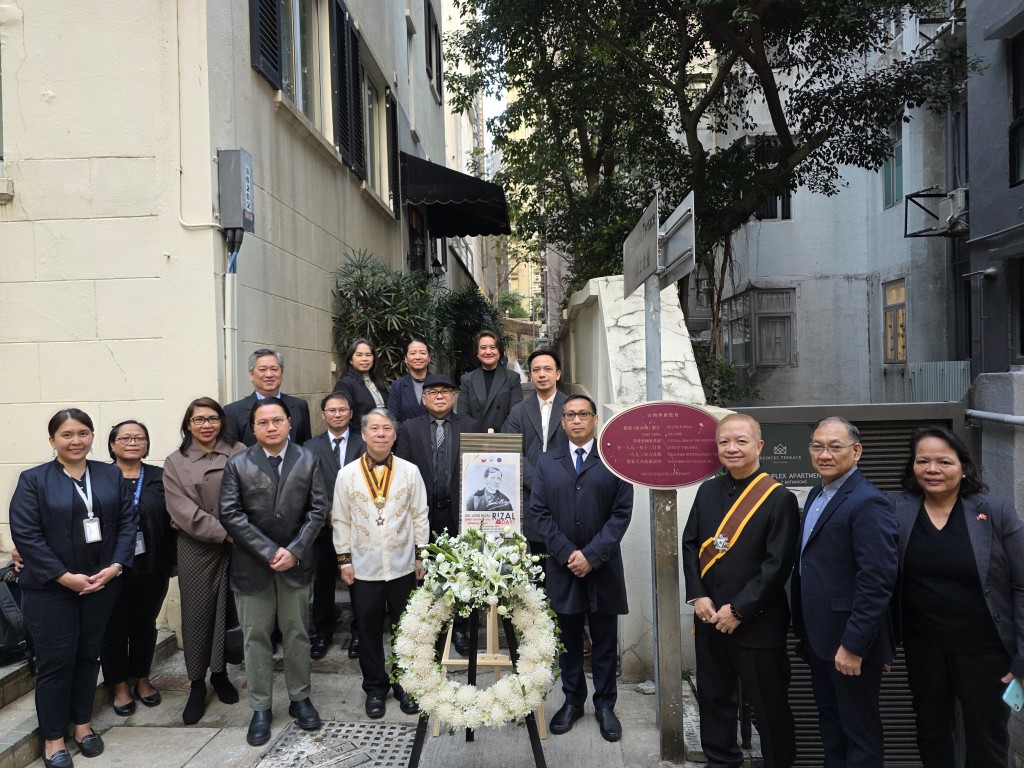
The Philippine Consulate General in Hong Kong commemorates the death of Jose Rizal next to the marker at Rednaxela Terrace.
Beyond cultural tributes, Israel aims to strengthen academic ties to preserve and promote this shared history. The consulate is in preliminary discussions with the University of Hong Kong to introduce a Philippine Studies program this year, providing local youth with a deeper understanding of the Philippines beyond mere tourist perceptions.
Reflecting on his own journey, Israel’s life story is equally captivating. Initially studying theology with aspirations of becoming a priest, fate intervened when he encountered a diplomatic recruitment ad featuring a diplomat who had just attended a UN meeting; he later discovered that the diplomat was an alumnus of his seminary.
The Jesuit-run seminary had exposed him to a global community of priests from various backgrounds, fostering a love for cross-cultural exchanges that later served him well in diplomacy. He eventually passed the foreign service exam and served in Saudi Arabia, the United States' Chicago, and South Korea before arriving in Hong Kong.
“Hong Kong is a small city, but it’s in the center of almost everything that’s happening in the world,” he noted. During his time here, he enjoys visiting various churches and appreciating the richness of Hong Kong’s religious culture.
Moving to change Hongkongers’ perceptions of the island nation
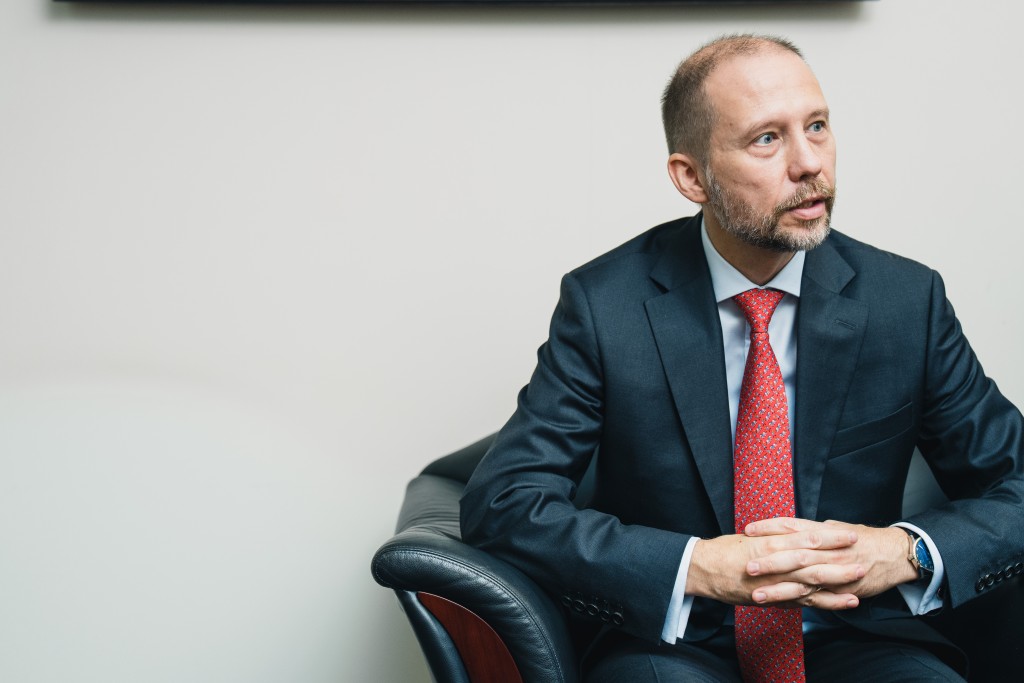
Romulo Victor Manzano Israel Jr says the Philippines offers a lot for tourists, but acknowledged that the 2010 Manila hostage crisis impacted some Hongkongers' perceptions of the country, potentially deterring travel.
To address this issue, the Philippine Consulate is partnering with Baptist University to survey young Hongkongers’ impressions. “Based on this baseline study, we can tailor our strategies for Hong Kong tourists,” he noted.
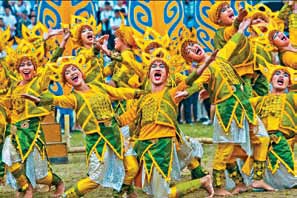
In terms of the Philippines' tourist offerings, Israel says that the country has much more than famous beach destinations; it also boasts world-class diving sites, unique wildlife, and vibrant festivals.
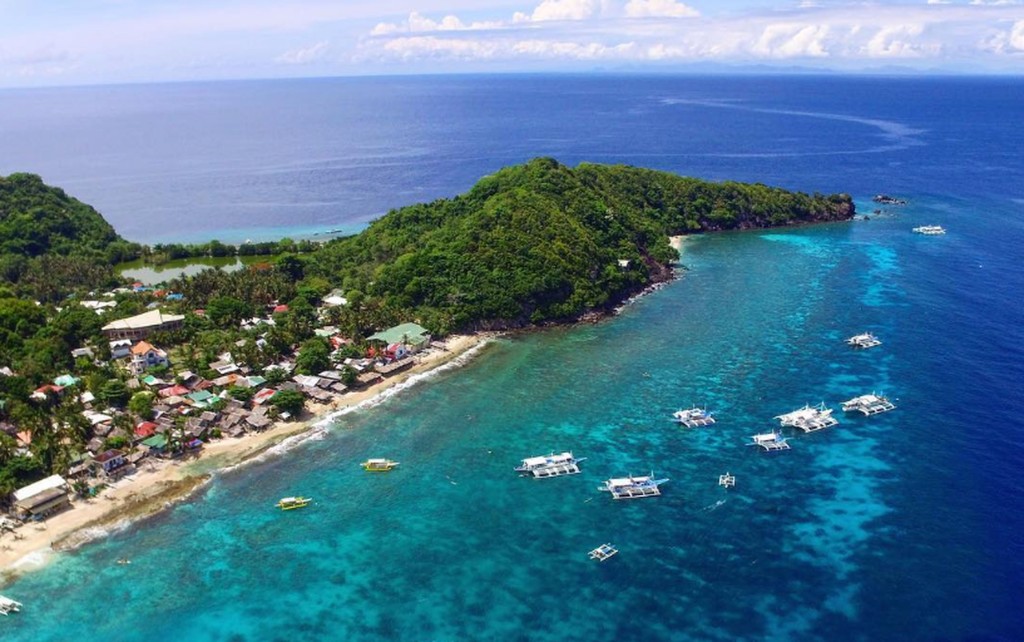
The country has retained its title as the World’s Leading Dive Destination for seven consecutive years, surpassing competitors like Fiji and Australia’s Great Barrier Reef. Highlights include the Verde Island Passage, home to more than 60 percent of known shore fish species and 300 coral species, as well as Apo Island, a favorite among divers and snorkelers.
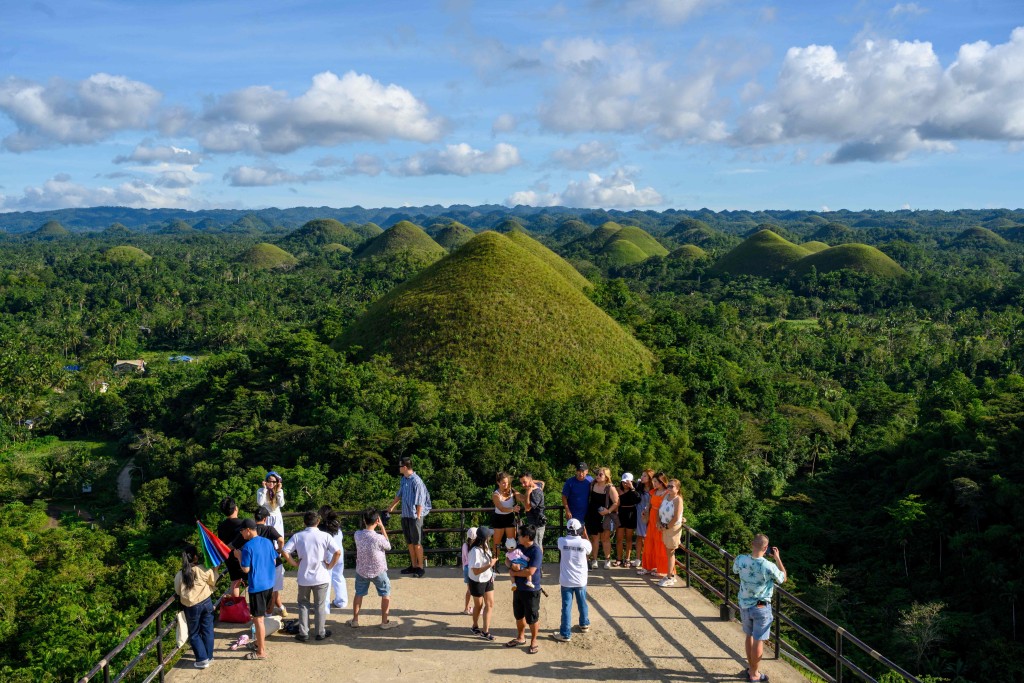
Bohol features the unique Chocolate Hills and is home to the world’s smallest primate, the tarsier. There, a fiesta is held every day in May, celebrating local traditions with music, dance, and feasting – a legacy of 333 years of Spanish colonial rule.
Israel attributes the uniqueness of Filipino culture to centuries of influence from Spain, the United States, Japan, China, and Indonesia, and points out that approximately 140 languages are spoken across various ethnic groups and islands.
Beyond tourism, he highlights untapped potential in areas that align with Hong Kong’s strengths, inviting Hong Kong investors to explore opportunities in Philippine infrastructure – from hotels to internet connectivity for smaller islands – and green energy to reduce reliance on coal. “In Hong Kong, you have the big players in the hotel business, and we hope to attract them to support tourism potential in the Philippines.”
Filipino migrant workers: the skilled, educated backbone of the city
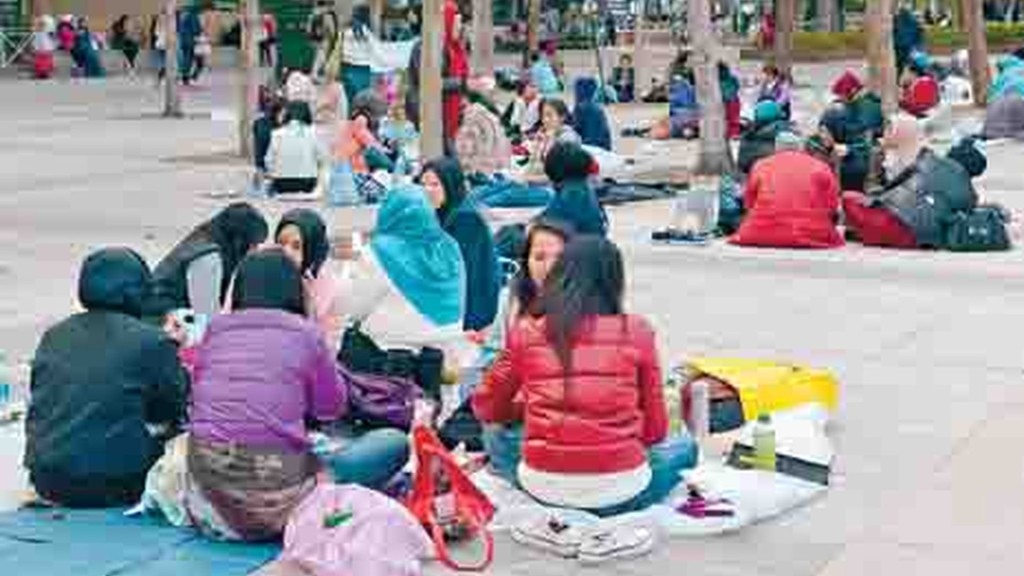
Since the 1980s, Filipinos in Hong Kong have made vital contributions across diverse sectors. They have staffed luxury hotels and resorts, served in banks, and shone as artists, weaving into the city’s fabric.
Among them, domestic helpers remain the most prominent group, many of whom are well-educated, with Romulo Victor Manzano Israel Jr noting that “some even have Bachelor[s] of Science in Education, either elementary or secondary education.”
With Hong Kong being one of the top destinations for Filipino migrant workers, 55 percent of Hong Kong's 368,000 foreign domestic helpers were from the Philippines in 2024, according to government figures.
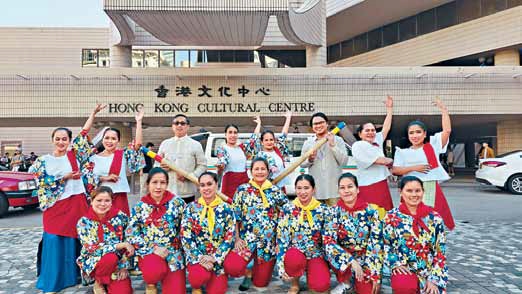
Israel noted that there is a vibrant Filipino community in Hong Kong.
In September 2025, around 520 Filipino helpers in Hong Kong participated in the Special Professional Licensure Examination for Professional Teachers, achieving a pass rate of over 50 percent – more than the national average of 30 percent among LEPT takers in the Philippines.
Notably, the pass rate for those taking the secondary education exams reached an impressive 64 percent.
Israel explained that the salary gap is a key factor drawing educated Filipinos to Hong Kong, where domestic helpers earn more than licensed teachers in the Philippines, allowing them to better support their families.
The consulate also provides workers with anti-scam efforts and legal support. “We try to cater to the needs of the workers. At the same time, [we] try to enhance and upskill them so that they will be ready when they return home, [and to] protect them also from any vulnerability,” Israel said.
Filipinos in Hong Kong also actively participate in their home country's politics, with 83,000 of them being registered voters of the Philippines. Israel urges more to register for the 2028 presidential election.