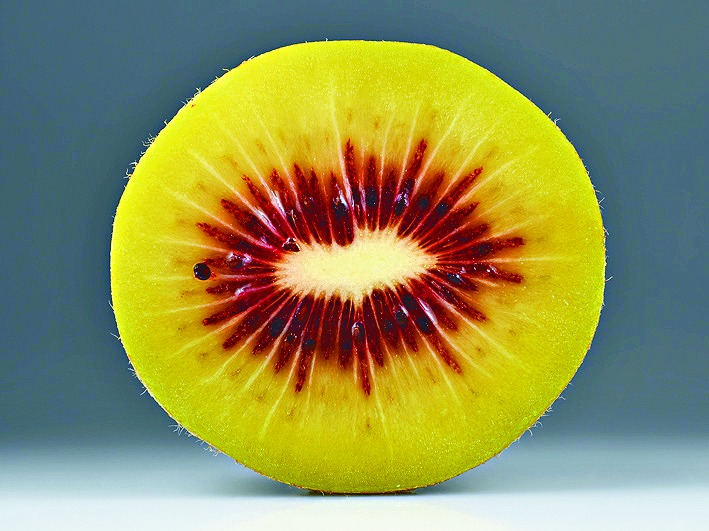
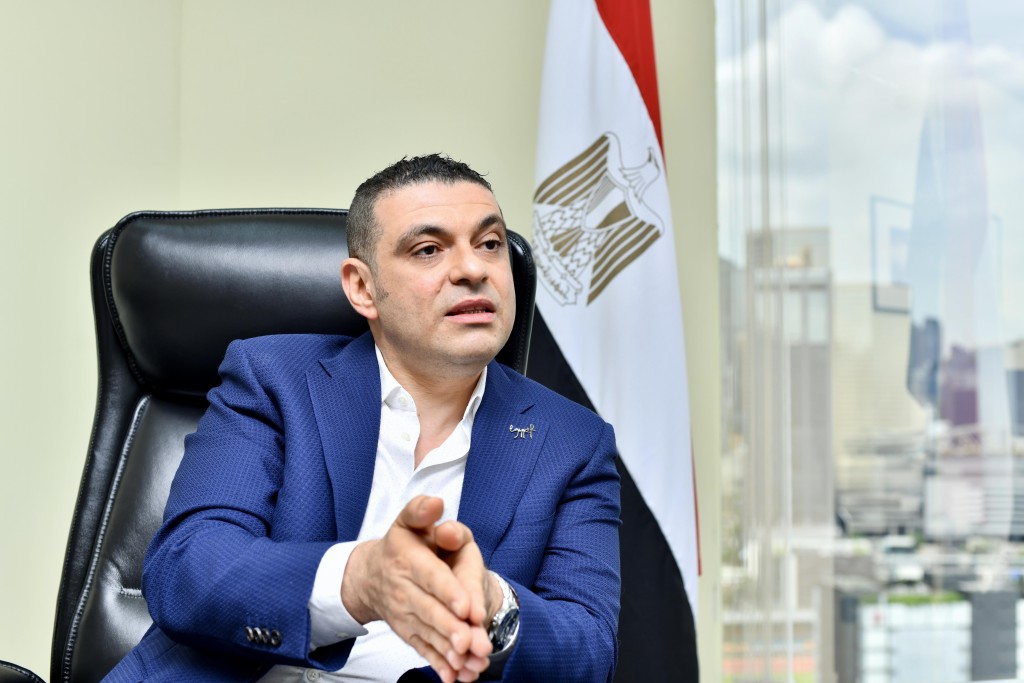
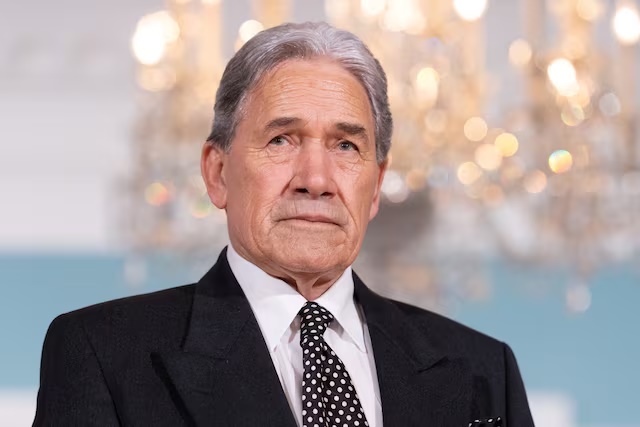
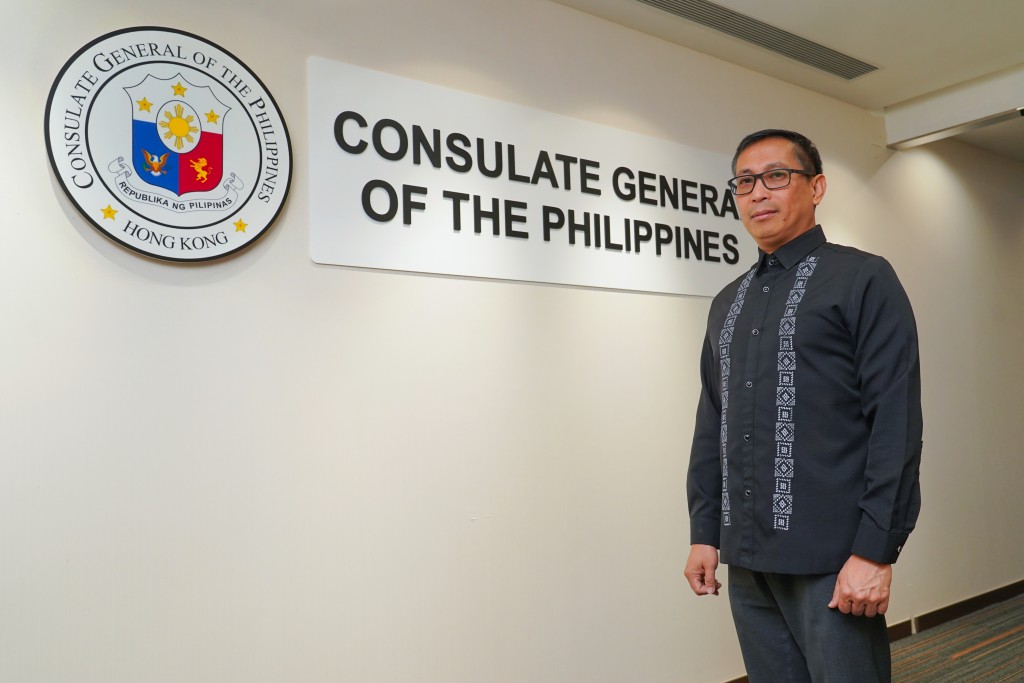
A new species of red kiwifruit has been under cultivation in New Zealand in recent years, offering a third variety for consumers around the world other than the common green and golden kiwifruit, said the country’s Consul General Peter Lund.
Unlike the other two more well-known types, red kiwifruit are only fresh in spring, making them rarer and more expensive. As one of New Zealand’s most famous products, kiwifruit surprisingly originated from China. Lund said it was known as the “Chinese gooseberry” until the early 1900s when it was renamed “kiwifruit” after the country’s national bird due to their uncanny resemblance.
New Zealand Consul General Peter Lund
Red kiwifruit
Serving as New Zealand’s Consul General in Hong Kong for a third year – his second Asian posting with his first served in Korea – Lund said after tariffs and trade barriers between Hong Kong and New Zealand were lowered in 2011, the two regions have maintained a close economic relationship, one that is reflected in trading figures.
According to the Trade and Industry Department, Hong Kong imported HK$4.6 billion worth of goods, including dairy products, fruit, and meat from New Zealand in 2024, securing its place as the 20th largest trading partner of New Zealand that year.
Lund noted that some of the latest New Zealand products, including a new range of wines from Devotus and Greywacke, were highlighted in Hong Kong supermarkets in October last year.
To further promote the country’s products, New Zealand foods were featured at last year’s lunch celebration for Matariki, which marks the new year for Maori, a major ethnic group in the country. Matariki, held in June last year, was celebrated in Hong Kong with an official event for the first time since its establishment as a New Zealand national holiday in 2022.
For Hongkongers who want to know more about Maori culture, it comes as great news that Cathay Pacific’s seasonal flight route from Hong Kong to southern New Zealand, including popular cities such as Christchurch and Dunedin, has returned from November last year to March this year, with up to four flights per week during peak summer season in New Zealand. Known as the “Garden City” and the largest city in southern New Zealand, Christchurch is famous for its unique mixture of traditional English heritage with modern architectural and street art scenes.
Connected to the Ngai Tahu iwi tribe through their cultural heritage, the city is also renowned for exploring Maori culture through their traditional ceremonies, cuisine, and performances at museums.
In fact, it was not the first time Hongkongers encountered Maori culture. In the Aotearoa International Film Festival 2025 held on March 10th, 12th, and 14th in Emperor Cinemas in Hong Kong’s Time Square, one of the participating films Whina is based on Dame Whina Cooper, a Maori matriarch who fought tirelessly for the rights of her people and who is known to this day as the Te Whaea o te Motu, which means “the mother of the nation.”
Of two other participating films, Red, White, and Brass was inspired by the true story of a man making up a brass band to get tickets to the Tonga vs France Rugby World Cup game, while Once Were Warriors is based on the bestselling novel by Alan Duff about a mother saving her children from their violent father.
As the film festival received enthusiastic public response, Lund expects it will be able to come back this year.
Lund said the film festival, last held 15 years ago, could only relaunch successfully thanks to the help of filmmaker Semiquaver Iafeta, who came up with the idea of organizing it again.
Born in New Zealand, Iafeta has a Polynesian heritage and has been a filmmaker and actor in Hong Kong for almost 20 years.
Despite his long history involved in the film industry, Iafeta originally came to Hong Kong as a rugby coach, one of the most popular jobs among New Zealanders who live in Hong Kong.
Peter Lund with New Zealand national team All Blacks Sevens players in the lead up to Hong Kong Rugby Sevens.
From rugby pitch to city walks: Kiwis who call Hong Kong home
Over 2,000 New Zealanders are currently living in Hong Kong. They are mainly rugby coaches and players, and professionals like lawyers and accountants.
As many New Zealanders’ jobs are related to rugby, Lund described the sport as an important cultural bridge between New Zealand and Hong Kong, especially after its female rugby team won again in last year’s Hong Kong Sevens, making a winning streak of three consecutive years.
Other than participating in Hong Kong’s rugby events, both the women and men rugby teams have partnered with the Happy Valley Football Club to organize a coaching clinic, Lund said, for about 100 school children, some of whom are from underprivileged groups, teaching them rugby and sportsmanship.
Having an urban culture and food scene that are very different from New Zealand’s, Hong Kong is a popular transit point for New Zealanders to stay at for a few days before moving on to other destinations, Lund said. One of his favorite activities is bringing friends on a walk from Yung Shue Wan to Sok Kwu Wan in Lamma Island.
Given New Zealanders’ enjoyment of Hong Kong’s vibrant culture as well as Hongkongers’ love for New Zealand’s beautiful landscape, Lund expressed confidence that the strong bond between New Zealand and Hong Kong will continue to grow in the future.
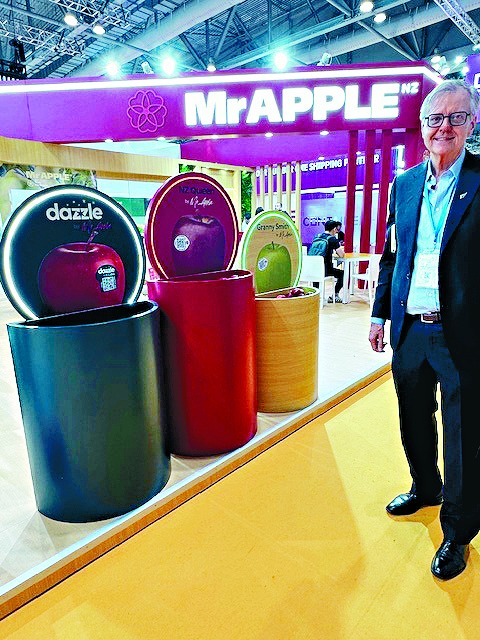
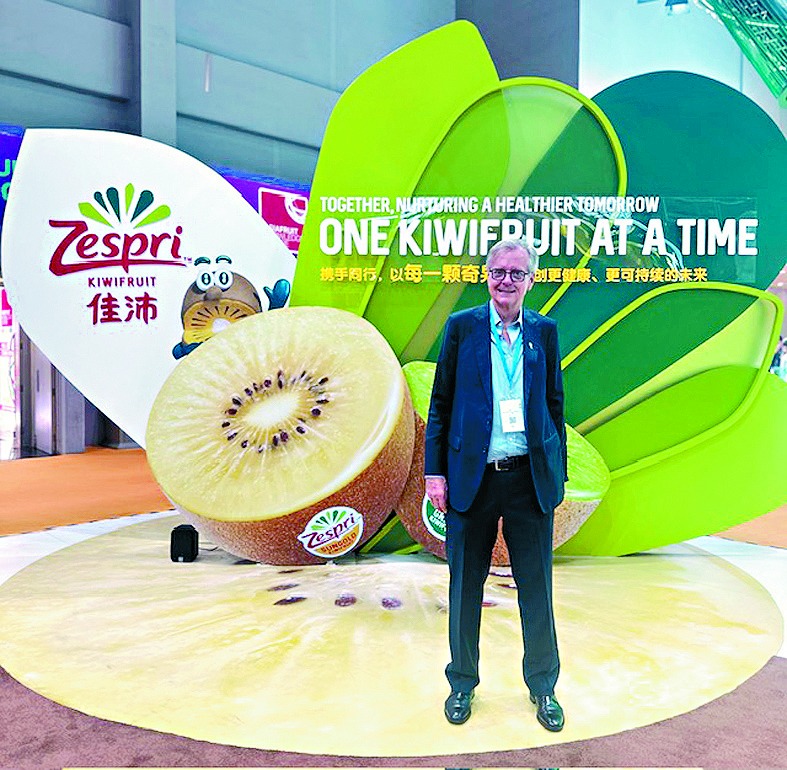
Peter Lund stands before a display showcasing New Zealand’s largest apple marketer and Zespri kiwifruit at AsiaWorld-Expo during the 2025 Asia Fruit Logistica in Hong Kong.
Peter Lund stands before a display showcasing New Zealand’s largest apple marketer and Zespri kiwifruit at AsiaWorld-Expo during the 2025 Asia Fruit Logistica in Hong Kong.
Dive deep into the living heart of Maori culture
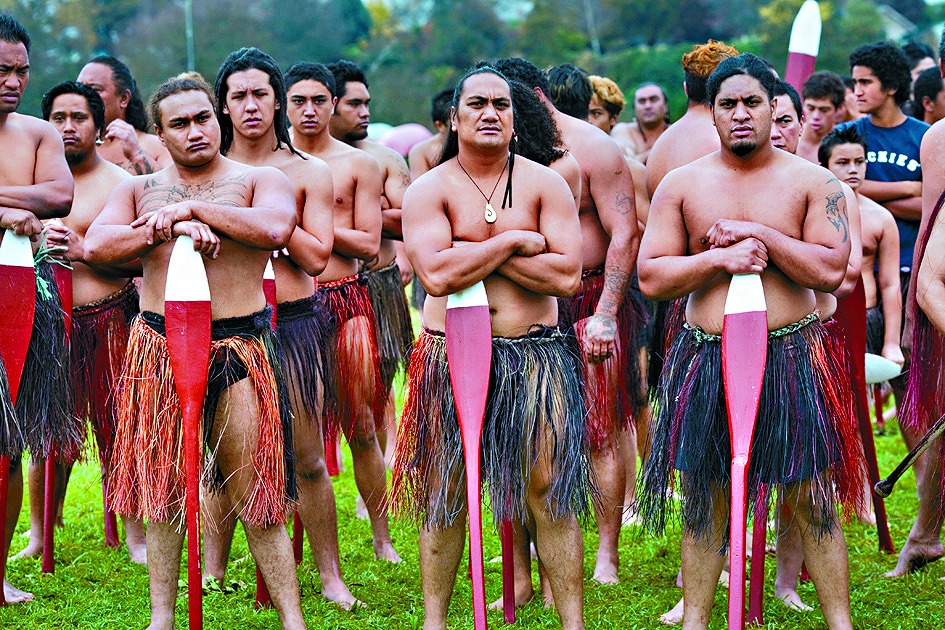
Maori culture has traditionally meant witnessing the powerful haka war dance or visiting a geothermal village in Rotorua. Today, a significant shift is underway.
As of mid-2024, about 921,500 Maori live in New Zealand, representing 17.5 percent of the total population. Tourism providers and iwi, or tribes, are increasingly offering immersive experiences that move beyond performance to foster genuine understanding and connection with Aotearoa’s indigenous people.
The Maori are the tangata whenua, or “people of the land,” who arrived from Polynesia in great voyages over 800 years ago. Their culture is built upon a deep spiritual connection to the land, ancestors, and community. This worldview is expressed through rich oral history, masterful carving and weaving, and the sacred meeting grounds called marae.
Now, travelers can step into this living culture more directly. In Northland, visitors might join a guide to harvest seafood while hearing centuries-old pu rakau, or legends, of the coast. In Rotorua, families open their marae for overnight stays, sharing stories and traditional feasts cooked in earth ovens. Museums like Wellington’s Te Papa offer world-class exhibitions that explore Maori creation stories and artistry.
This push for meaningful immersion aligns with both a modern traveler’s desire for authentic connection and New Zealand’s own commitment to honoring the Treaty of Waitangi, its founding document between Maori and the British Crown.
The result is a more respectful and enriching journey for visitors, offering not just a photo opportunity, but a lasting understanding of the people and stories that shape the nation.
Arriving in New Zealand between 1320 to 1350, Maori developed a culture that evolved independently from other eastern Polynesian cultures.