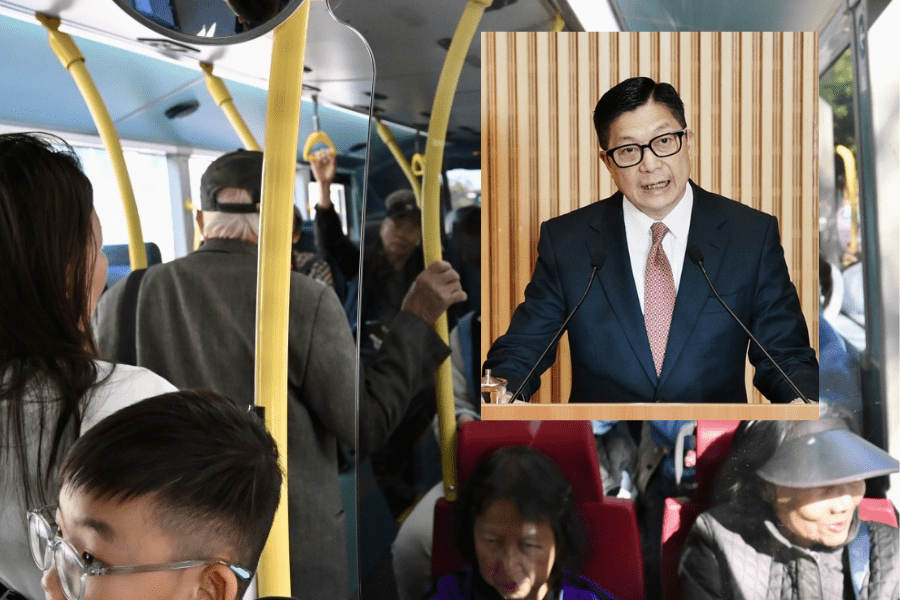
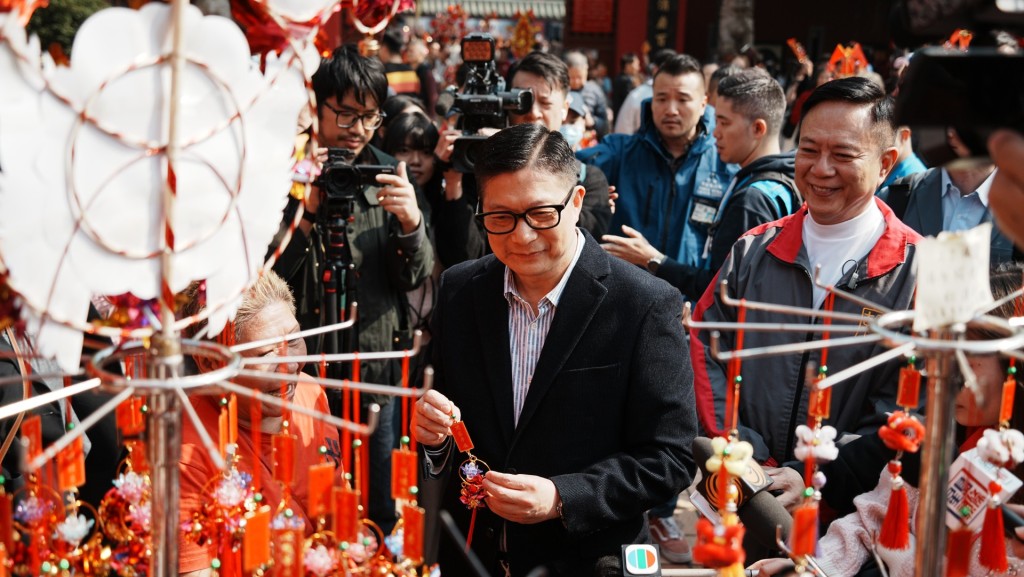
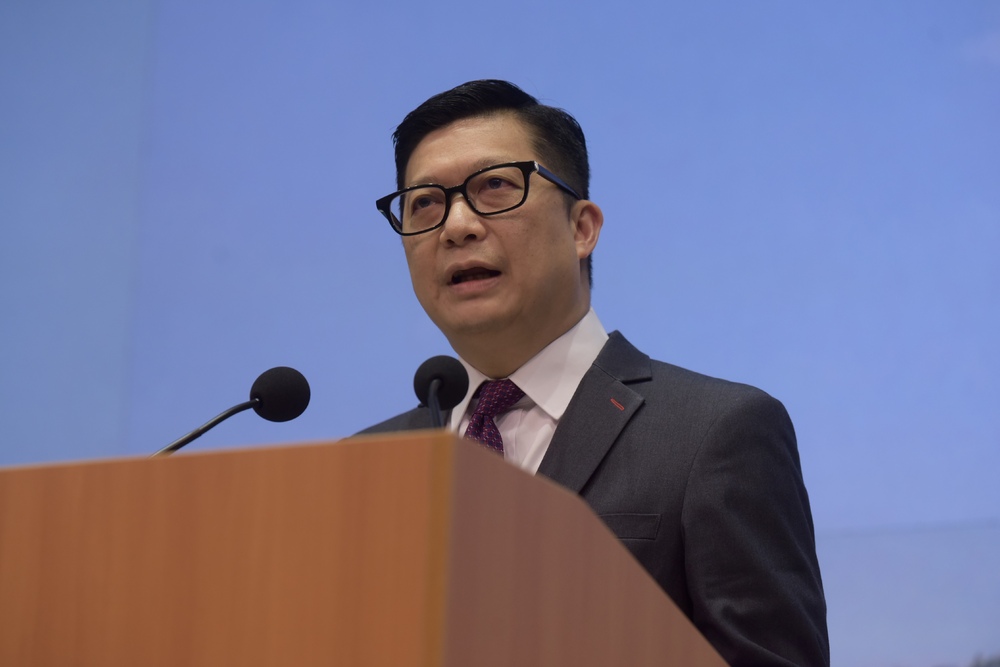
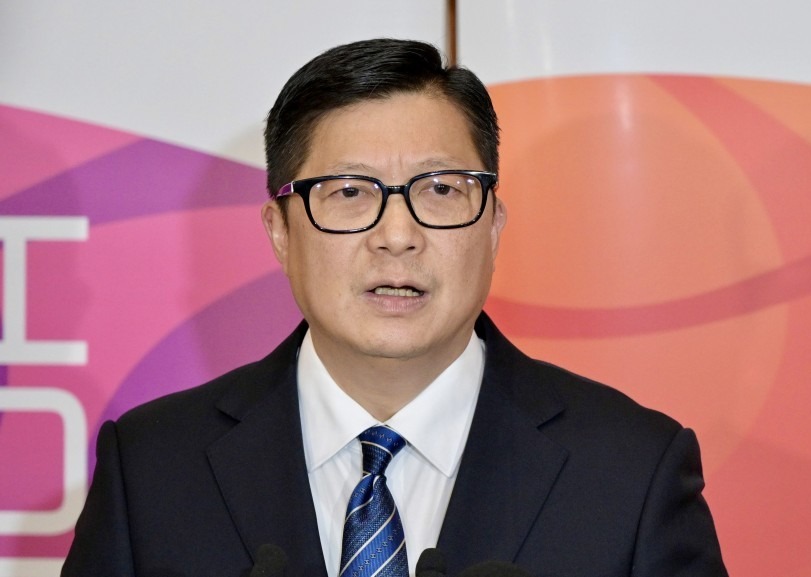
Secretary for Security Chris Tang Ping-keung said seatbelts "undeniably protect lives in traffic accidents", expressing confidence that any future mandate will be more convenient for citizens.
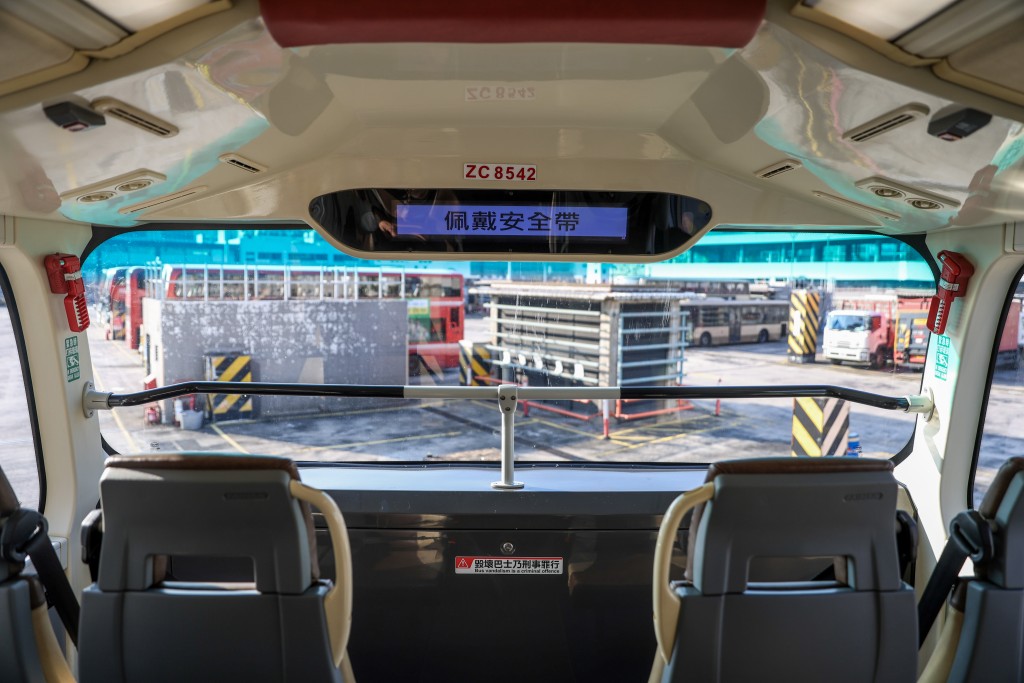
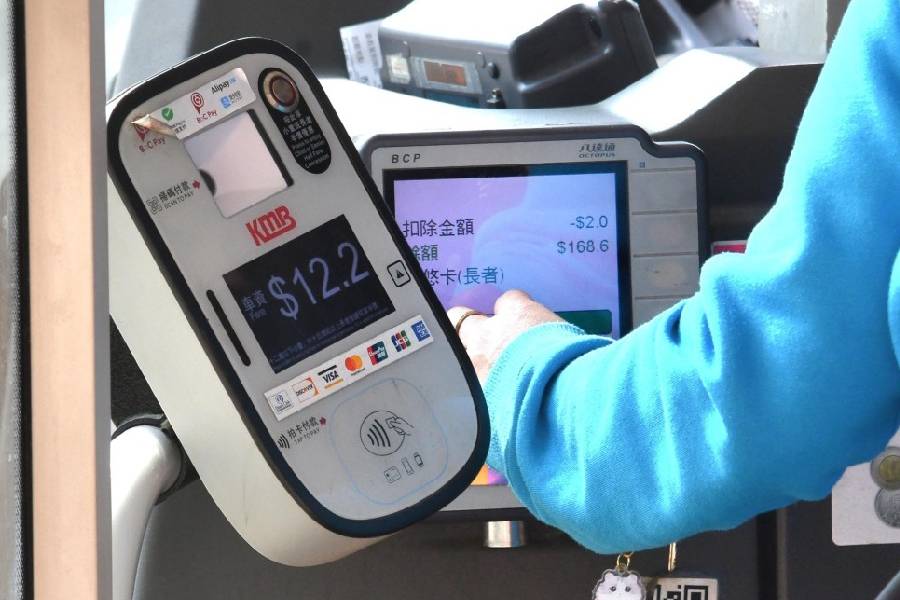
His remarks follow the government's retraction last Friday (Jan 30) of the seatbelt rule —in effect for less than a week—due to "technical deficiencies in legislation" cited by the Transport and Logistics Bureau.
Speaking on a radio program, Tang clarified that while not wearing a seat belt on a bus is currently not illegal, police will be focusing on persuasion to raise awareness.
"It is an undeniable fact that seat belts protect lives during traffic accidents," said Tang.
He added that the government would refine the law by addressing practical public concerns, such as possible exemption clauses and improving bus company arrangements.
"I believe when the relevant legislation is reintroduced, it will be more convenient for citizens," he said.
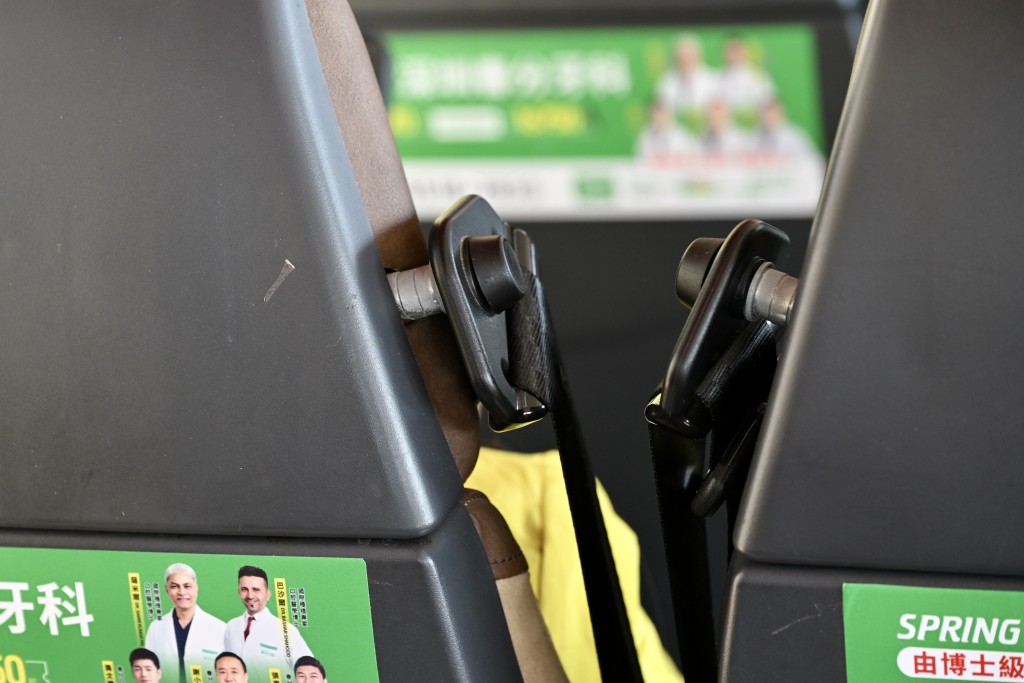
Addressing recent incidents of seatbelt cutting, Tang labelled the behaviour a criminal offence that "challenges the social system and is an act of antisocial behaviour," assuring that authorities would take rigorous action.
He reiterated that existing laws requiring seat belts in private cars and minibuses remain in force.
Regarding national security, Tang disclosed that the reporting hotline has received around 1.1 million messages since its launch.
He reported that the police have arrested 381 people and prosecuted 207 under the Hong Kong National Security Law and related law, resulting in 175 convictions to date.
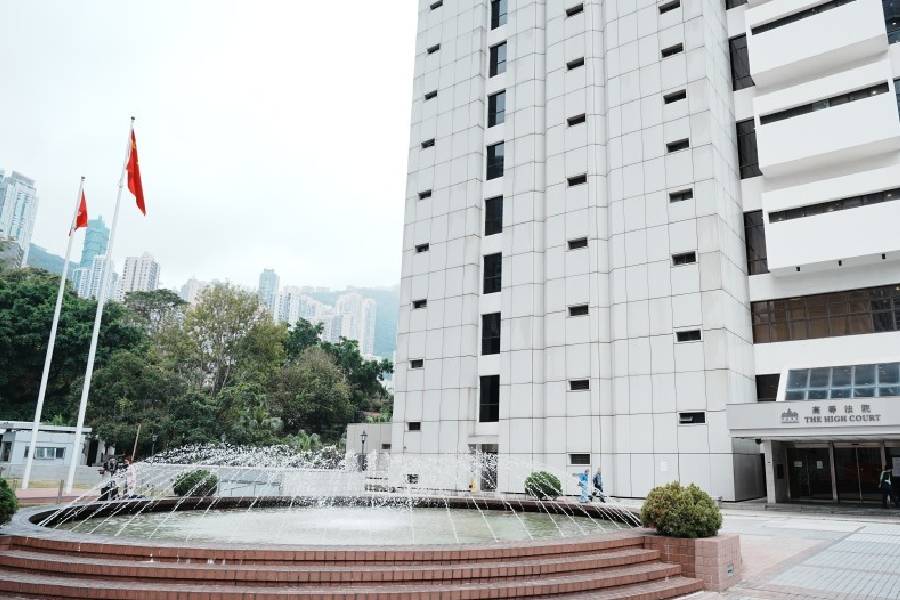
Tang cautioned that external forces continue to seek influence over Hong Kong due to geopolitical tensions, with risks ranging from foreign sanctions to intimidation targeting the city's judges.
He also pointed to the persistent threat of "domestic terrorism," citing last year's unlawful drills and individuals who have fled overseas to advocate "Hong Kong independence."
Furthermore, he identified "soft resistance" as a major ongoing threat, where fake news and misinformation are used to incite public resentment and create social divisions. He urged citizens to remain vigilant and think critically in the face of such challenges.