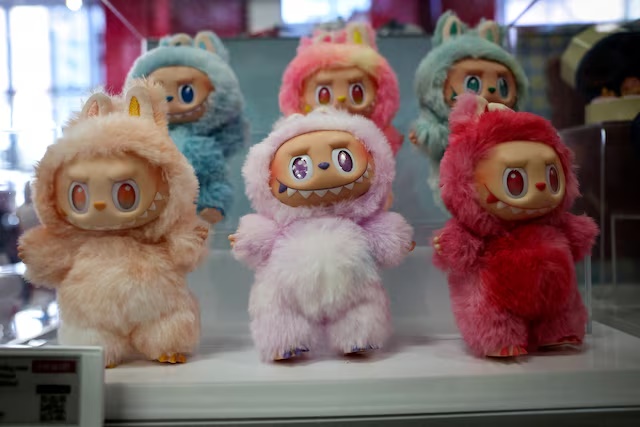
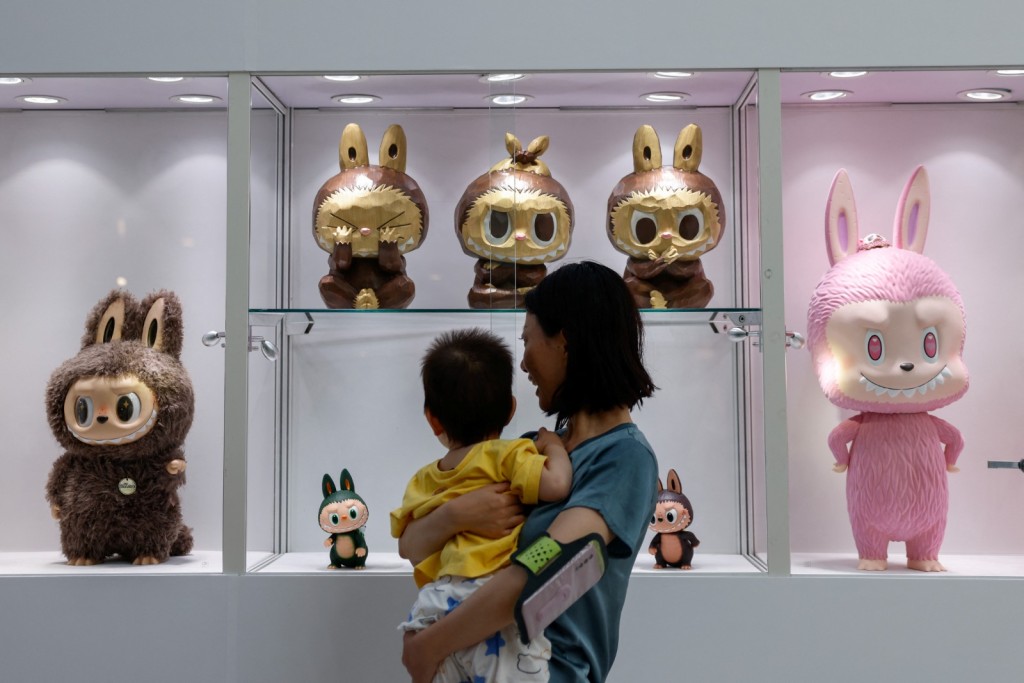
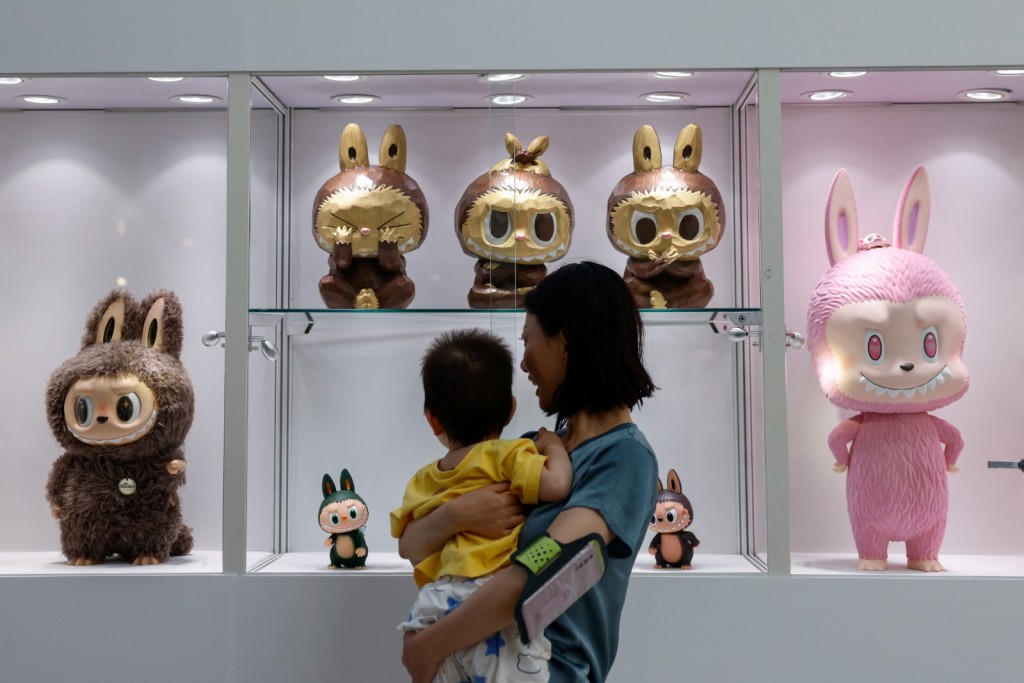
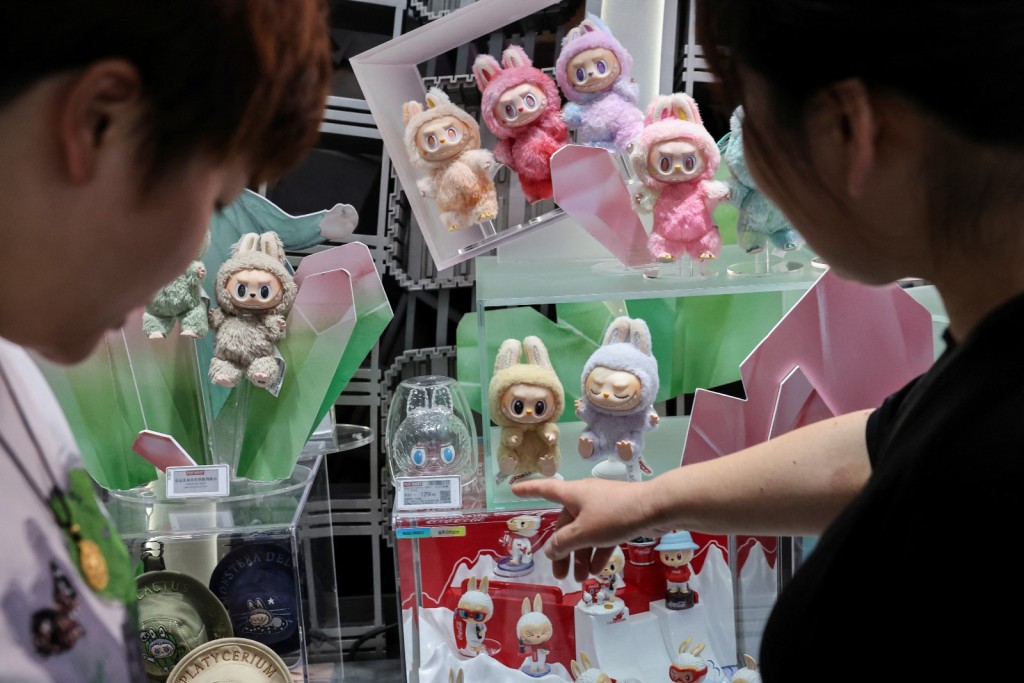
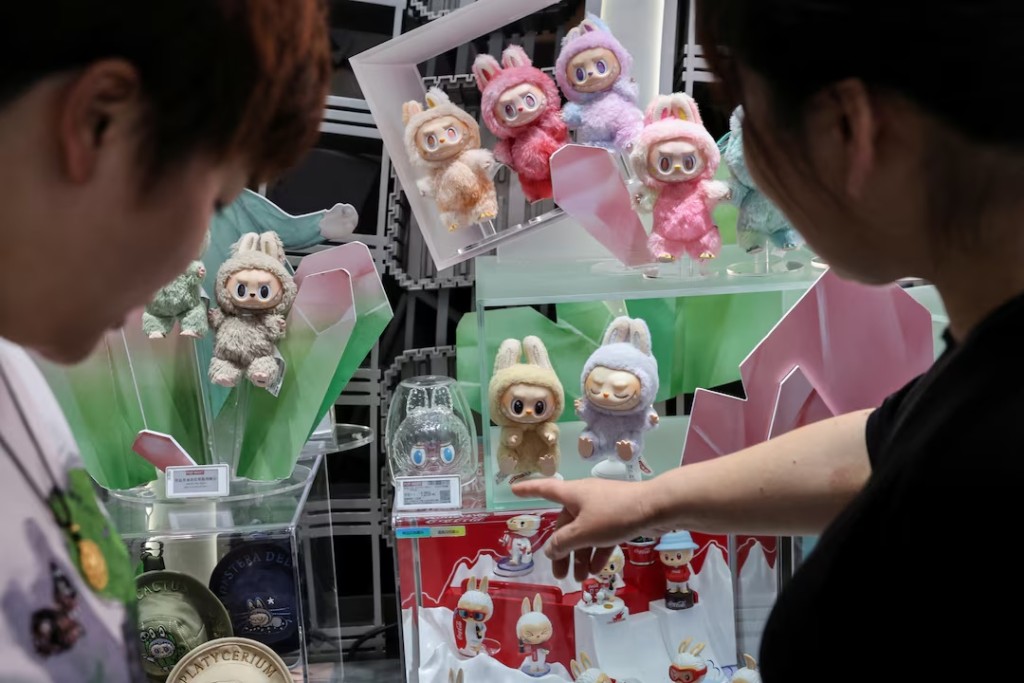
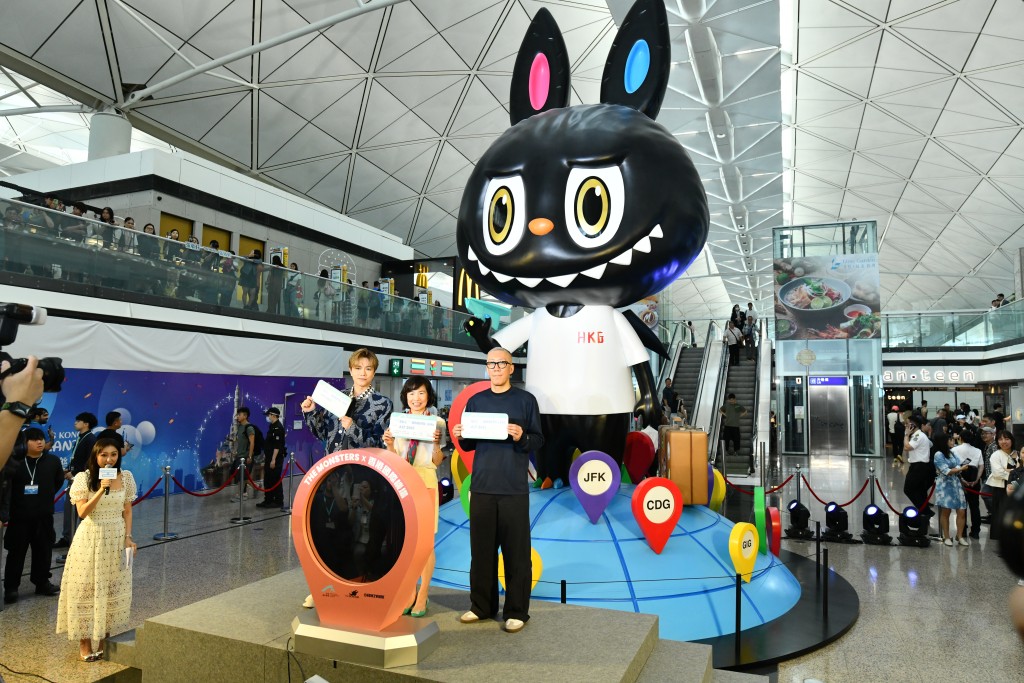
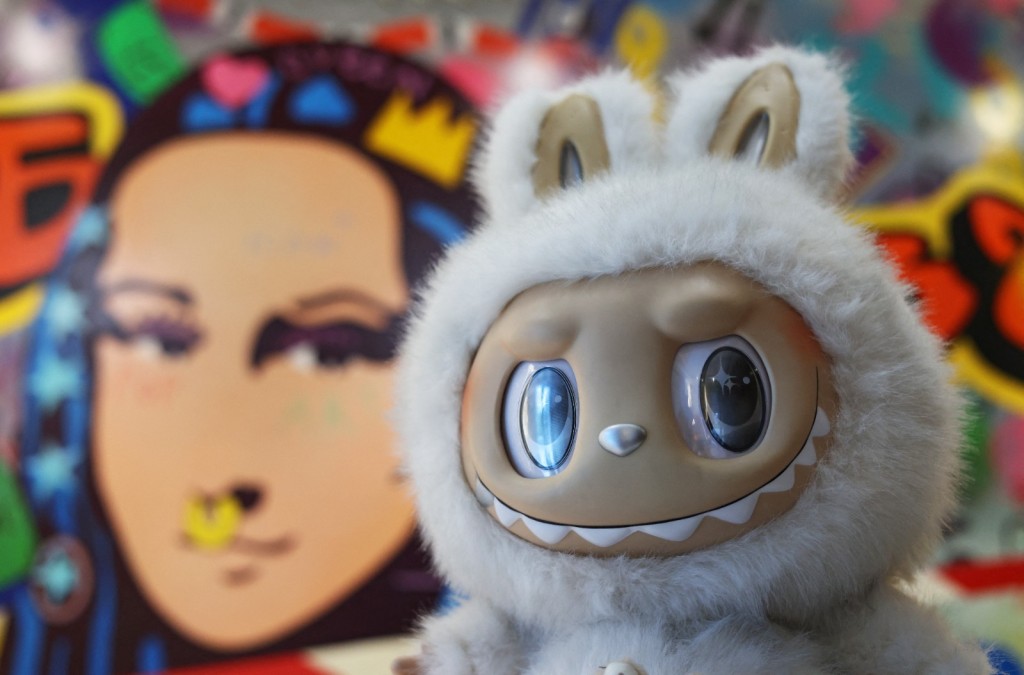
The popular animated character "Chiikawa" as well as Labubu figurines have taken Hong Kong by storm, with scalpers and resellers seizing the opportunity to profit from this boom.
The large-scale "Chiikawa Days" exhibition being held this month in Tsim Sha Tsui saw the appearance of scalped tickets online, with HK$180 adult tickets being resold at double the price at HK$500. The exhibition offered priority sales for the Hong Kong exclusive "Dim Sum Series" figurines, a set of eight which resellers were already listing at inflated prices on the first day of sales.
All the figurines in the set were resold at twice their retail price, with the most popular figurine's price surging from HK$160 to HK$728.
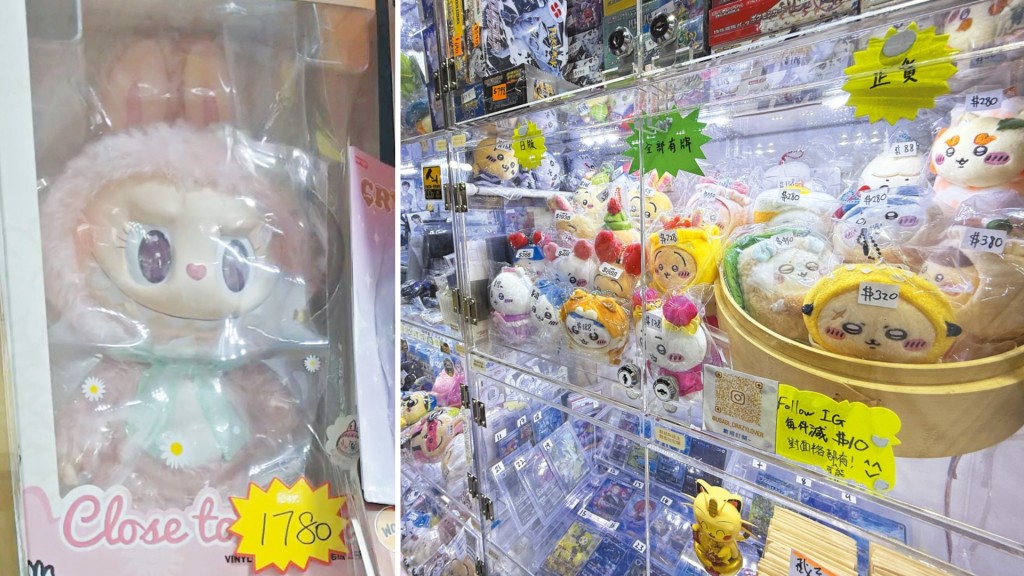
As for other popular figurines, a Labubu "Sweetheart Series" piece originally priced at around HK$438 was resold for HK$1,780 – a threefold increase.
Globally, the most extreme example involves the world's only first-generation mint-green plastic Labubu and another brown variant. Initially valued at over 100,000 yuan combined, they were auctioned in mid-year for twentyfold at 1.08 million yuan and 820,000 yuan, approximately HK$1.18 million and HK$900,000 respectively.
Online sellers become victims
With such high demand for these collectibles, the so-called merchandise economy has grown to over 160 billion yuan in China alone.
In Hong Kong, model toy stores, claw machine arcades, and resale shops have shifted focus to these products, while unscrupulous opportunists exploit the market.
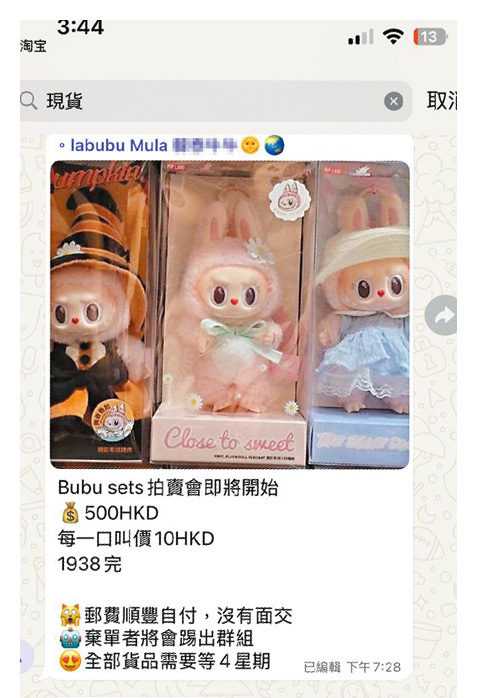
An online store owner recently ventured into selling Labubu figurines. Earlier this year, he encountered another seller who claimed to have connections to Thai nobility and direct suppliers in Thailand and South Korea, offering bulk purchases. The seller frequently auctioned rare editions, often starting bids 40 percent below market value to spur competition.
"At peak times, several bidders drove up the frenzy. Winners had to pay in full immediately, with delivery promised within four weeks," the owner recalled.
Starting in March, the owner placed multiple orders with this seller for Labubus from various regions and acquired several special editions through auction. However, he has only received partial shipments, with about 35 Labubus worth nearly HK$50,000 still undelivered.
While the seller blamed delays on Thai floods, the online store owner discovered reused product photos in new auctions, casting doubt on whether the seller ever had the stock. He also found online victim groups involving the same seller, with around 200 affected buyers, leading him to think that he has likely been exploited.
Japanese merchandise reseller delays orders for two years and disappears
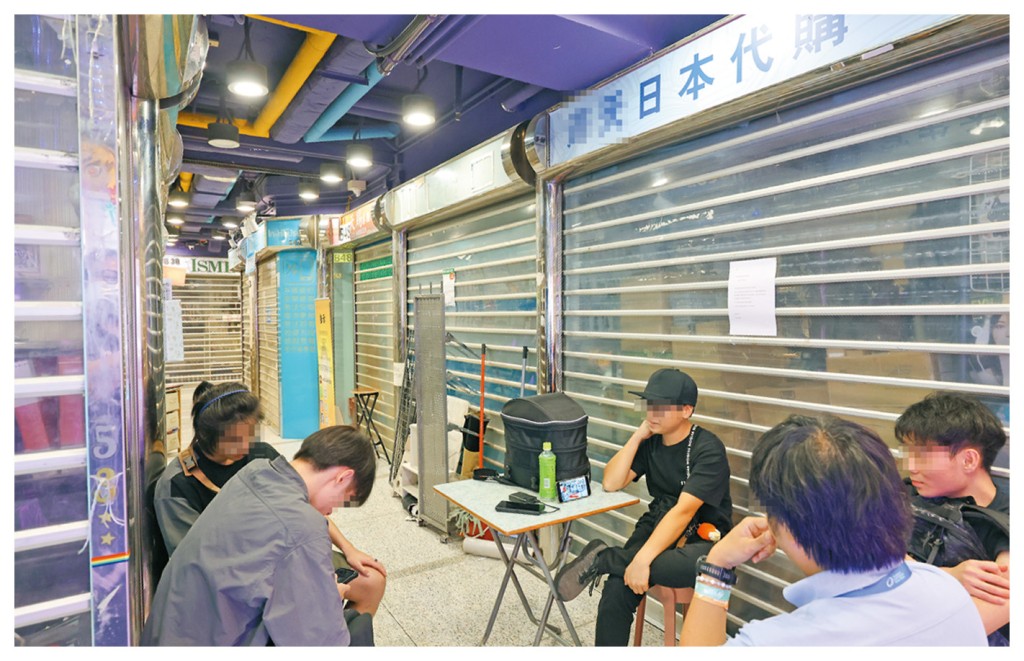
Meanwhile, a Japanese resale store with multiple shop spaces in a Mong Kok mall basement recently closed for several consecutive days, sparking the formation of victim groups, including one with over 650 members.
One of its shop spaces has since been repossessed by the landlord. The lease expired in late March, with the store given until July 31 to vacate. On the deadline, reporters observed several people waiting outside, hoping to confront the owner about undelivered goods, but the owner never appeared.
The store owner, surnamed Wong, began operations in 2017, initially reselling Japanese celebrity photobooks and merchandise. A few years ago, he expanded and launched a toy department where he leveraged live-streamed sales to promote Kamen Rider, Gundam, and Digimon gaming devices.
His online page amassed over 9,700 followers, but recent complaints allege numerous cases of paid-but-undelivered orders.
Wong's most recent social media post, dated July 6, claimed he had just returned from Japan and attributed delayed orders to staffing and system issues, promising gradual improvements and notifying customers for pickup.
However, interviews with about 60 affected buyers revealed individual losses ranging from hundreds to over HK$20,000, totaling more than HK$160,000. The longest-delayed order exceeded two years, disproving the owner's claim of a recent system glitch. Some victims even lent money to the store.
One victim who lost about HK$6,000 recalled being promised multiple figurines in two weeks back in March 2024. "After no updates, I followed up, only to be told stock hadn't arrived. Unaware, I ordered more toys totaling over HK$1,000," he said. He began pressing for delivery after seeing other people receive their orders of the same toys.
The owner gave shifting excuses to continue delaying – items stuck in a Japanese warehouse, already in Hong Kong but lost in the backlog, or being too busy to open the shop. When the victim demanded a refund, the owner left his messages on read. Since May, he has repeatedly visited the Mong Kok store only to find it closed.
Another victim, a Hong Kong expat in Japan, lost roughly HK$200,000 after fronting warehouse rental and purchase costs for the same owner. Initially, a regular customer drawn to the store's modest markups, assisted with Japan-based sourcing during the pandemic for a small fee.
In 2024, at the owner's request, he leased a 300 square foot Akihabara unit under his own name as a logistics hub. But from November 2024, the owner defaulted on rent and supplier payments, forcing the victim to cover expenses. "First, he cited family illness, then his own. I gave months of leeway, but he vanished without repaying," he said.
Police have received multiple reports involving the store and auction platforms, with some cases classified as "obtaining property by deception." Authorities urge caution in online transactions, recommending in-person exchanges, checking reviews, and using the "Scameter" app to assess fraud risks.
A Customs spokesperson noted that under the Trade Descriptions Ordinance, businesses accepting payment without intent to supply, or knowingly supplying significantly different goods, or lacking reasonable belief in timely delivery, commit an offense punishable by up to HK$500,000 in fines and five years' imprisonment.
Businesses take action against scalpers
The Consumer Council spokesperson reminded the public that if goods are not received as scheduled, buyers should first contact the merchant to inquire about the status and reasons for the delay, urging them to arrange delivery promptly.
If direct communication fails, mediation can be attempted. For credit card payments, some issuers offer chargeback mechanisms, which consumers can explore if goods remain undelivered.
In reality, the rampant scalping and reselling in the collectible toy market have drawn business countermeasures. During the "Chiikawa" exhibition in Hong Kong this April, the availability of on-site tickets attracted scalpers, leading to chaotic queues of thousands.
Some resellers even began hawking tickets immediately after purchase. To combat this, organizers introduced a "quiz segment" requiring on-site ticket holders to answer Chiikawa-related questions correctly to prove they were genuine fans before entering.
Earlier, McDonald's launched its Happy Meal collaboration with Chiikawa, sparking a flood of pre-sale resale posts online. On the first day of sale, nearly 30,000 people queued virtually, with long lines forming at designated stores. Some buyers immediately resold their purchases online.
Unlike in Japan, where similar promotions led to overseas scalpers bulk-buying and discarding unwanted meals, Hong Kong's McDonald's implemented purchase limits and restricted in-person sales to select branches. Online pre-orders allowed pickup at any designated store within a set period. With quotas per store, crowds were dispersed, enabling most fans to secure the toys at the original price of around HK$30 per set. Resale prices hovered near HK$50, diminishing scalpers' profit margins and deterring their involvement.