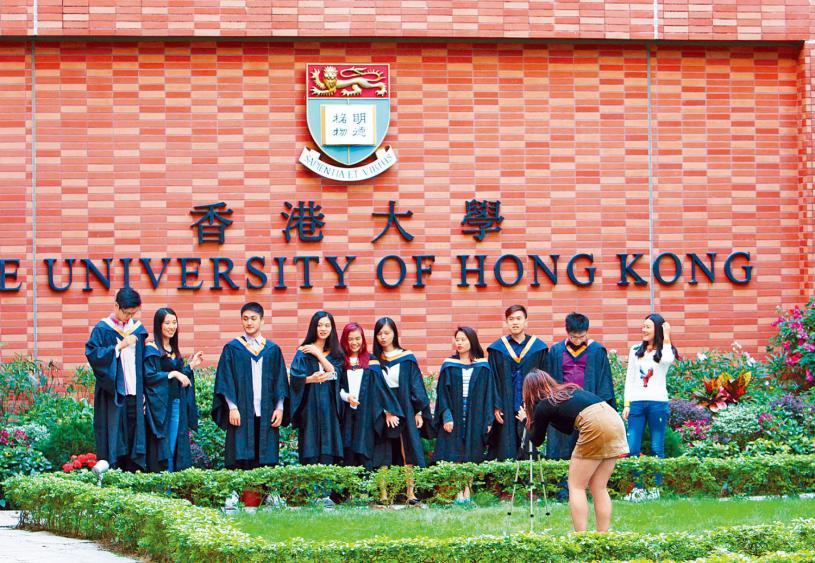
The University of Hong Kong (HKU) has reported a historic high of over 25,000 non-local applications for undergraduate programs in the new academic year—17 times more than available places—including more than 20 international students impacted by sudden shifts in US higher education policies.
Since the Hong Kong government relaxed the non-local student quota for publicly funded universities to 40 percent last year, multiple local institutions have seen significant increases in international applications.
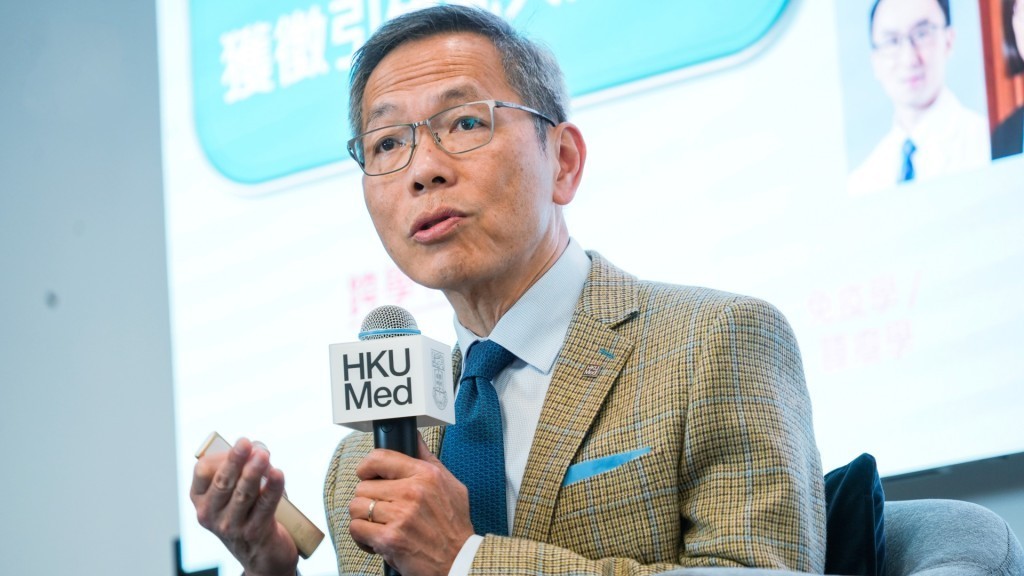
HKU’s Director of Undergraduate Admissions and International Student Exchange, Bennett Yim Chi-kin, revealed in an interview that as of early July, the university had received more than 25,000 applications, surpassing previous records.
Among them, 21,000 came from mainland China, while the rest were from over 110 overseas countries and regions, including India, South Korea, Indonesia, and Canada.
Ultimately, HKU will admit 1,400 to 1,500 non-local undergraduates, a 16 percent increase year-on-year, he said.
“We’ve intensified our outreach efforts, sending staff to promote HKU in different countries,” Yim said. “The government’s quota expansion has been a crucial factor—previously, many students hesitated to apply, thinking admission chances were slim due to limited spots.”
He also noted that recent uncertainties in US policies toward international students have led to over 400 inquiries at HKU, with more than 200 non-local applicants submitting applications.
He noted that some had already received offers from prestigious US institutions, including MIT. HKU ultimately admitted over 20 affected students.
“This is a positive development,” said Yim. “While Hong Kong’s stable environment has attracted some students who might have otherwise gone to the West, our admission standards remain stringent. The conversion rate of these inquiries into actual enrollments isn’t high.”
To accommodate the growing number of non-local students, HKU is working with nearby hotels under a government pilot scheme to convert entire buildings into student dormitories without lengthy rezoning procedures.
Yim added that the university aims to finalize agreements with partner hotels by mid-August, ensuring all first-year non-local undergraduates are provided with student accommodation.
(Marco Lam)