Read More



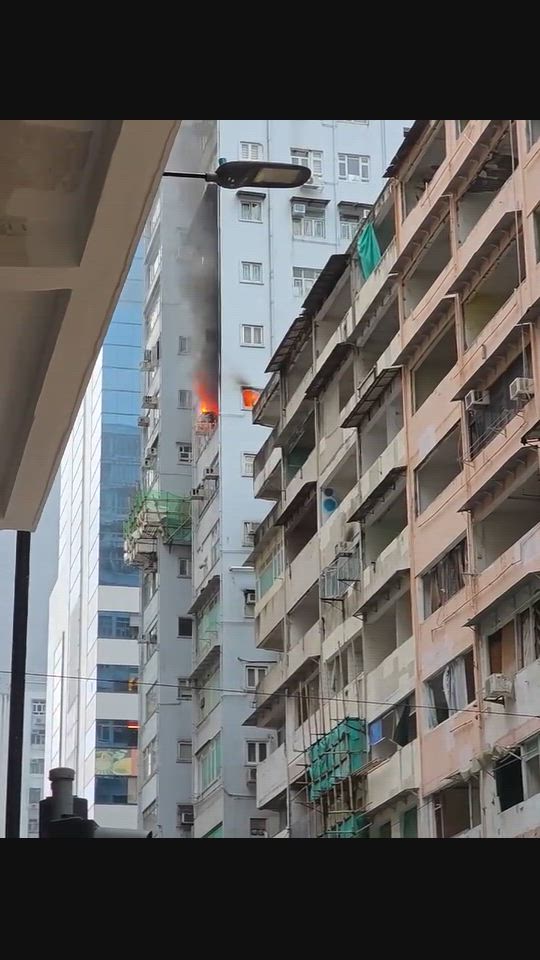
Over 50 evacuated as fire in Causeway Bay disrupts traffic and trams
25-08-2026 12:58 HKT

Taxi stuck sideways in narrow Central alley
24-08-2026 15:55 HKT
The Securities and Futures Commission's deficit nearly tripled to HK$298 million for the year ending in March from a year ago as its levy income dropped nearly 20 percent amid slumping stock market turnover.
The securities watchdog recorded a loss of HK$101 million in the previous fiscal year.
The commission's total income decreased 6 percent to HK$1.84 billion in the year ended March, according to an annual report yesterday.
Among them, levy income declined 19 percent to HK$1.39 billion as average securities market turnover decreased during the year.
Its investments recorded a net gain of HK$208 million for the year, compared to a net gain of HK$103 million a year ago, mainly contributed by the performance of its investments in pooled funds and higher interest income from fixed deposits.
Its operations costs rose 4 percent to HK$2.13 billion for the year, while SFC said the costs were below its budget of HK$2.47 billion.
Additionally, HK$2.3 billion from its property acquisition reserve was utilized to finalize the purchase of nine office floors as its permanent office.
As of March, its reserves stood at HK$7.6 billion, of which HK$1.2 billion was set aside to support the acquisition of three additional floors and future principal bank loan repayments.
SFC earlier agreed to buy 12 floors from Swire Properties' (1972) One Island East in Quarry Bay for HK$5.4 billion.
In strengthening the connection of Hong Kong's equity market with the mainland, SFC said it will explore allowing stocks on Shenzhen's start-up board ChiNex to be included in the Stock Connect scheme.
In a separate statement, SFC said that the District Court has approved the transfer of three large-scale ramp-and-dump cases for trial, with the first hearing to be held on July 9.
Following the joint investigations by SFC and the Police, a total of 18 defendants allegedly manipulated the trading of a large volume of shares of three Hong Kong-listed companies, including Eggriculture Foods (8609), through numerous nominee accounts. They were also suspicious of inducing investors to buy the shares via different social media platforms.