Read More









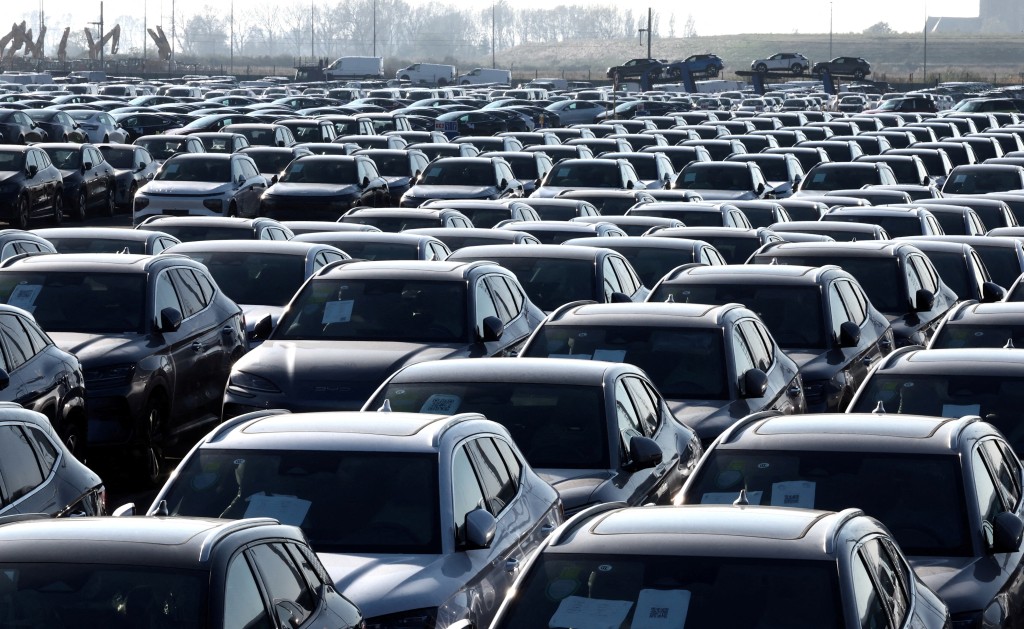
Chinese regulators introduced stricter rules governing automakers' payments to suppliers on Monday, seeking to close loopholes in a voluntary payment commitment, including delays in product acceptance procedures and the use of non-cash payment instruments.
As authorities moved to curb the industry's bruising price war, major Chinese automakers last year pledged to pay suppliers within 60 days, following complaints from steel producers and other suppliers.
But payment cycles remain longer than those of mature multinational carmakers and have room for further improvement, the Ministry of Industry and Information Technology (MIIT) said in a statement.
The new rules go beyond a simple cap on payment terms by requiring clearer starting points for payment calculations, setting deadlines for acceptance procedures and encouraging faster cash settlement, particularly for small and medium-sized suppliers. They also extend coverage beyond parts procurement to include engineering and service providers.
Under the rules, automakers are discouraged from forcing suppliers to accept commercial bills, supply-chain notes or other non-cash payment instruments.
The MIIT, the State Administration for Market Regulation and other agencies will conduct joint regulatory interviews with automakers that maintain large accounts payable balances, are suspected of deliberately extending payment periods, or receive repeated complaints from small and medium-sized suppliers.
Companies identified as problematic will be required to rectify their payment practices, while those found to have violated laws or regulations will face penalties, the regulators said, without providing details.
Automakers will be required to file semi-annual and annual supplier payment reports, while regulators will publish annual third-party assessments to strengthen oversight.
Reuters