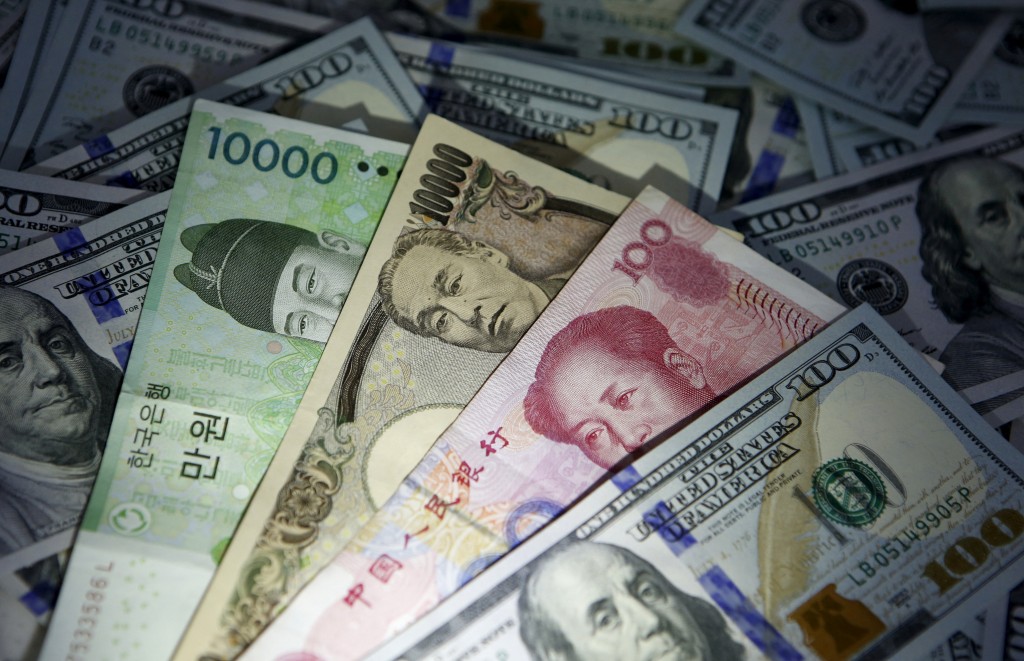
As China’s GSS+ bond market has reached 4.6 trillion yuan (HK$5.37 trillion) in cumulative issuance by 2025 and is the third-largest globally, experts said the yuan is racing the traditional US dollar and euro markets to become a new global currency for climate finance.
GSS+ bonds are yuan-denominated sustainable finance tools that help issuers raise capital while aligning with climate, social, and sustainability goals. A report this month from the Climate Bonds Initiative said overseas issuers – Panda, Dim Sum, and Free Trade Zone bonds – are going mainstream due to lower yuan yields since 2023, offering issuers a cost advantage.
Regulatory reforms in China and Hong Kong also make cross-border yuan financing more practical, with increased yuan use in trade and settlement aligning financing with real economic cash flows. Yuan issuance reduces currency mismatch for projects that rely on Chinese contractors, equipment, or supply chains.
In the first half of 2026, the onshore Panda bond and offshore Dim Sum bond achieved record sales of around 160 billion yuan and 350 billion yuan, respectively, up over 60 percent year on year, according to Goldman Sachs.
The report said GSS+ Panda bond issuance indicates that some highly rated sovereign, supranational, and corporate issuers can access yuan funding at interest rates that are competitive with US dollar costs. The Bank of Switzerland is also planning to issue panda bonds for the first time, raising up to 2 billion yuan.
Meanwhile, FTZ bonds serve as a hybrid channel bridging onshore policy aims with offshore-style investing. Although it is still small in volume, it represents China’s effort to create a globally usable yuan funding channel for sustainable finance that combines the depth of onshore liquidity with the flexibility of offshore execution.
However, the report noted that experts call for clear regulation to make yuan GSS+ bonds more impactful, as they still lag behind US dollar and euro markets due to a still-complicated executive process that relies on stage-by-stage approvals.
It highlighted that most of these bonds mature in less than five years, limiting their use for long-term infrastructure, while secondary-market liquidity remains thin and could weaken price discovery. Currently, the yuan market is still dominated by supranationals and a few sovereigns, unlike the broad corporate participation seen in US dollar and euro markets.