The US and Japan are considering a large-scale project to mine deep-sea rare earth material from a Japanese island in the Pacific Ocean, aiming to reduce their reliance on China, Bloomberg reported on Thursday.
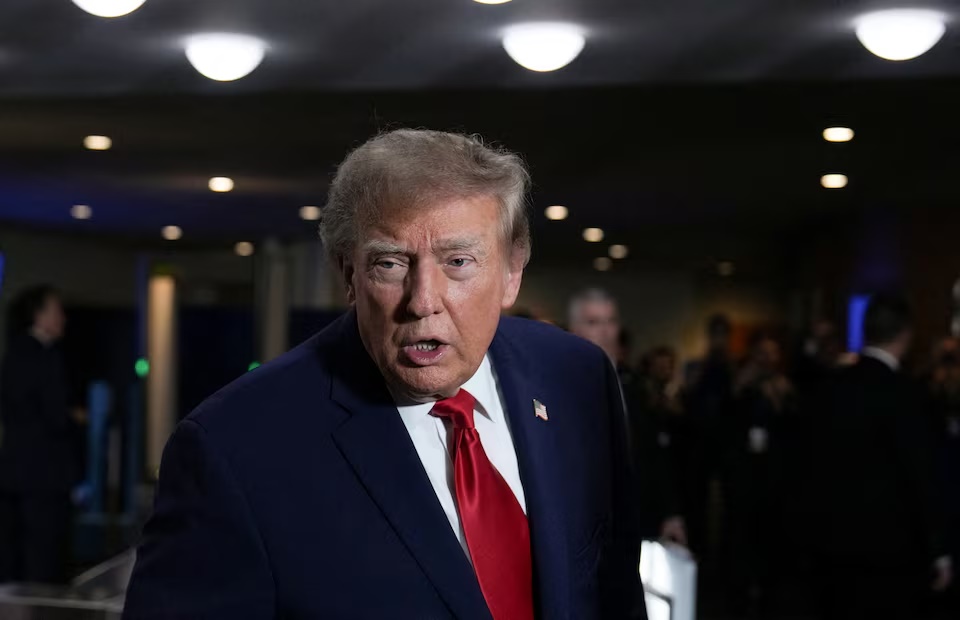
In March, when US President Donald Trump met with Japanese Prime Minister Sanae Takaichi in March at the White House, they discussed Minamitorishima, a small Japanese island that sits atop rare earth deposits potentially vast enough to "meet centuries’ worth of industrial demand," the report said.
The ambitious Minamitorishima project could offer Japan and the US a pathway to establish a fully integrated, mine-to-magnet rare earth supply chain, thereby helping to break China's control in the sector, the report added, citing William Chou, a senior fellow at the Hudson Institute.
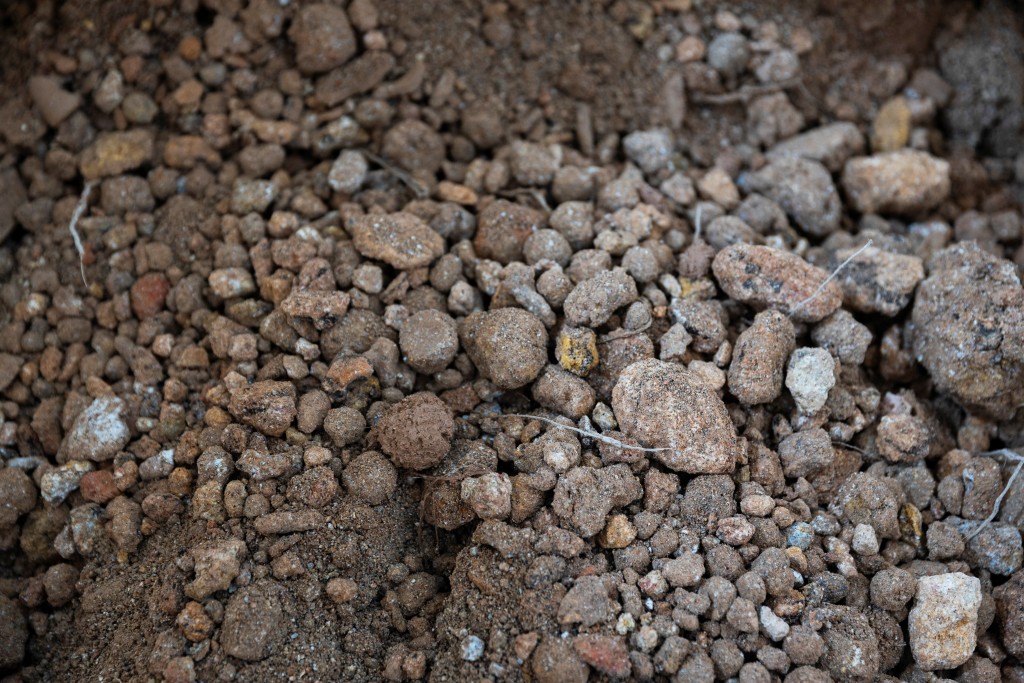
The test samples of the island have shown significant deposits of yttrium, gadolinium and dysprosium, according to Japan's Cabinet Office.
Many North American companies, including Deep Reach Technology, have also shown interest in the project to extract rare earth elements, while the negotiations are at a very early stage.
However, the extreme depth poses a big challenge for the project. Despite decades of seabed exploration and mapping in the world, no such undersea mining project has reached a commercial scale to date.
The materials at Minamitorishima are buried at a depth of approximately 6 kilometers below sea level, marking it as one of the deepest deposits currently under consideration for mining.
The project has become a part of Takaichi's plan to reduce the country's reliance on China, albeit with a high cost, complexity, and long development cycle. For the US, Trump also hopes to slash China's dominance in the rare earth industry.