The Exchange Fund, which backs the Hong Kong dollar, posted an investment income of HK$134.7 billion for the first half of 2026, while it recorded a loss of HK$11.8 billion from Hong Kong equities amid market volatility.
Profits from bonds reached HK$49.1 billion during the period, while that of other equities was HK$53.7 billion, data from the Hong Kong Monetary Authority showed on Tuesday.
It also recorded a gain of HK$34.3 billion from the positive currency translation effect of non-Hong Kong dollar assets and a profit of HK$9.4 billion on other investments.
The total first-half investment income represented a 37.1 percent decline compared with HK$214 billion from a year ago, partly as the second-quarter figure of other investments this year is not yet available.
Fees on placements by the Fiscal Reserves and placements by HKSAR Government funds and statutory bodies were HK$10.9 billion and HK$5.8 billion, respectively, with the rate of fee payment at 4.8 percent for 2026.
Total assets of the Exchange Fund stood at HK$4.46 trillion at end-June 2026, an increase of HK$302.4 billion from the end of 2025, while accumulated surplus was HK$862.7 billion at end-June 2026.
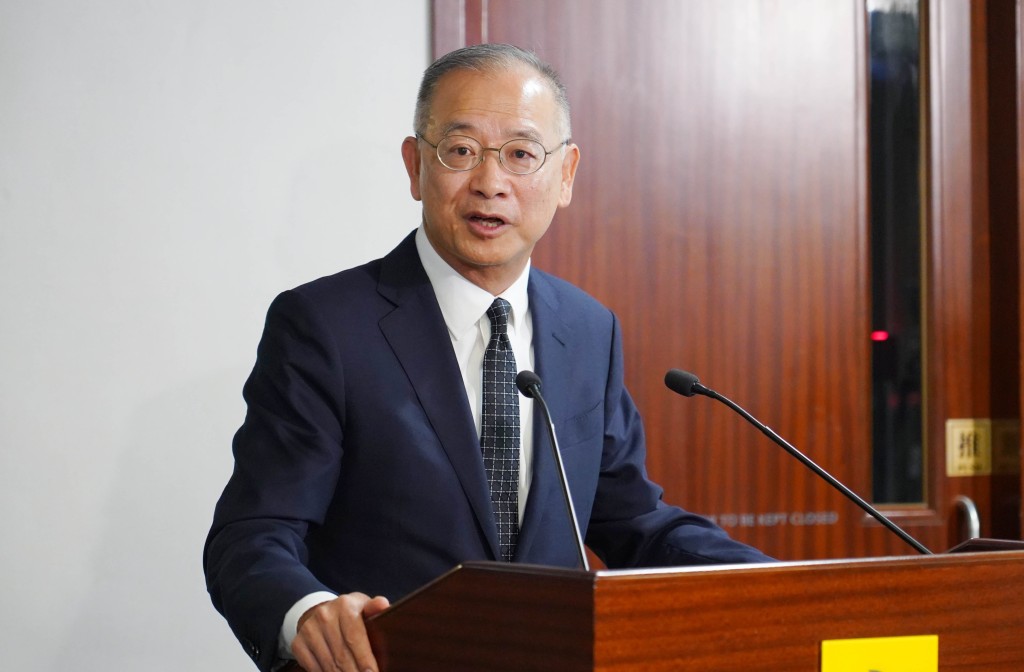
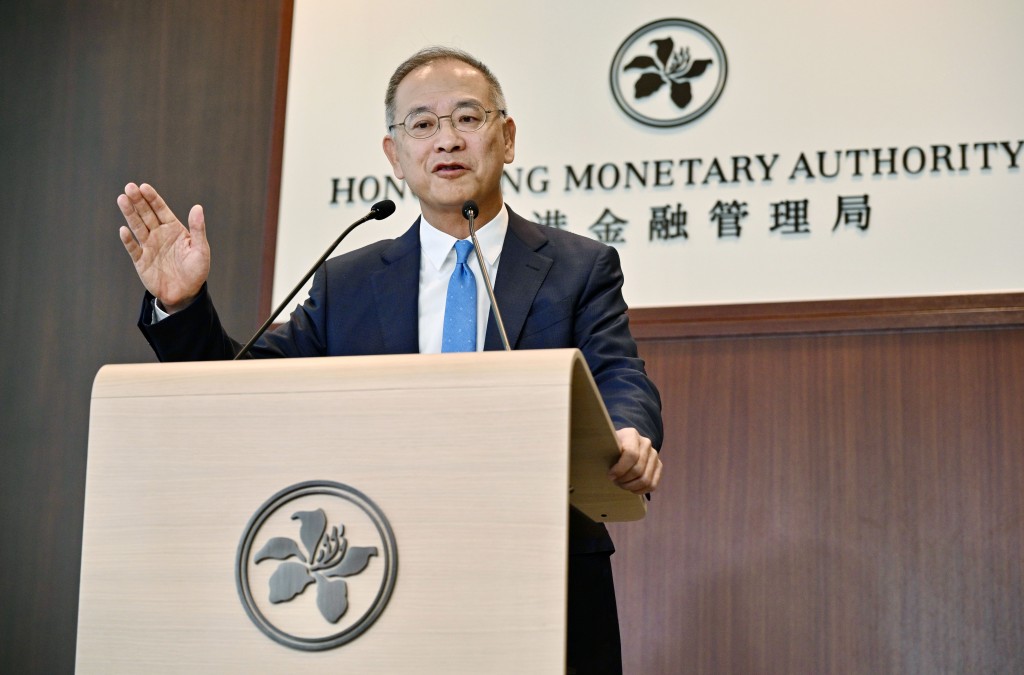
Despite brief periods of heightened market volatility in March due to geopolitical tensions in the Middle East, global market sentiment staged a notable recovery in the second quarter as tensions moderated, said HKMA chief executive Eddie Yue Wai-man.
For the first half of 2026, the global financial markets performed well in general, with the strong performance in the semiconductor and technology hardware sectors sending the US and several major Asia-Pacific equity markets to new highs again, driven by artificial intelligence-related investment demand, Yue said.
As for the bond market, the US Treasury yield curve generally shifted upward in the first half following market concerns over rising US inflation, which were triggered by surges in international oil prices and supply chain disruptions, he noted.
Looking ahead to the second half of the year, he warned that following the marked increase in prices of AI-related assets, some market participants have begun to focus on whether major corrections will occur and affect the broader market.
He also pointed out that the Federal Reserve's policy path forward remains dependent on uncertainties around inflation trends and labour market conditions in the US.
In addition, with the Fed's recent pivoting away from forward guidance, the financial markets may become more sensitive to incoming economic data, potentially amplifying market volatility, he added.
Market concerns over the inflation and interest rate outlook may be deepened if geopolitical tensions escalate again and disrupt global supply chains and energy prices, Yue noted.
Due to frequent fluctuations in exchange rates, the investment gains from the positive foreign currency translation effect in the first half of 2026 may not be sustained through the second half of the year, he said.