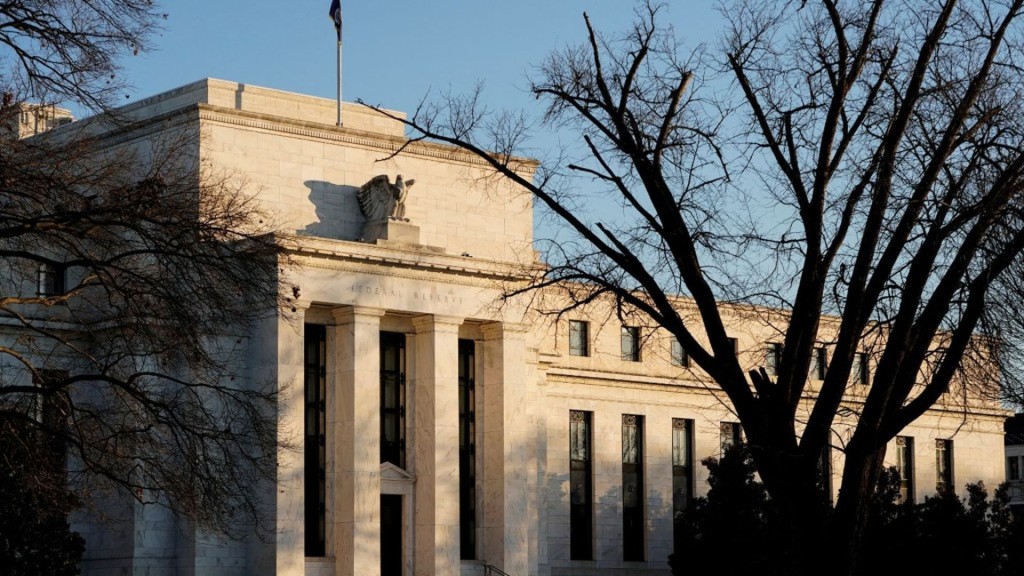
US consumer inflation slowed more than expected in June, but that will probably offer little comfort to households or rule out an interest rate increase from the Federal Reserve this year, with the conflict in the Middle East still unresolved.
The Consumer Price Index increased by a still-high 3.5 percent in the 12 months through June after surging 4.2 percent in May, which was the largest year-on-year rise since April 2023, data from the Labor Department's Bureau of Labor Statistics showed on Tuesday. The CPI fell 0.4 percent over the month after advancing 0.5 percent in May.
Economists polled by Reuters had forecast the CPI rising 3.8 percent year-on-year and dipping 0.1 percent on a monthly basis.
The pullback in the CPI mostly reflects a retreat in gasoline prices from multi-year highs as a fragile ceasefire between the US and Iran took hold last month. That truce, however, collapsed last week after commercial tankers came under fire in the Strait of Hormuz, triggering military strikes between the United States and Iran.
Gasoline prices have reversed course as a result, with the national average rising to US$3.86 (HK$30.1) a gallon on Tuesday from US$3.79 a week ago, data from motorist advocacy group AAA showed.
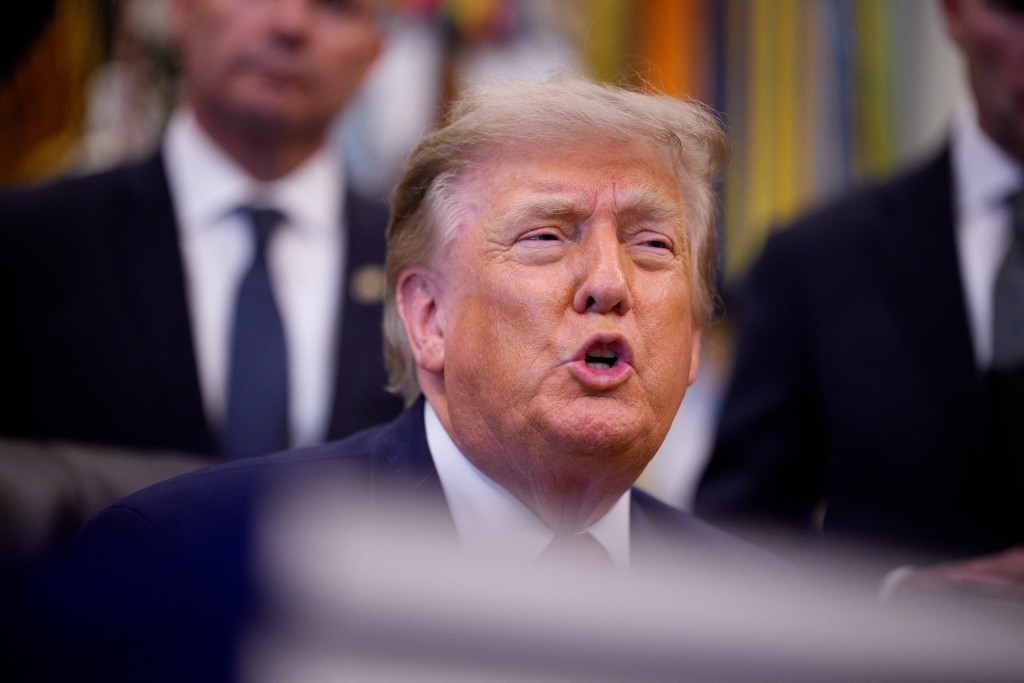
Further increases are likely as oil prices rose to a four-week high on Tuesday after the US reimposed a naval blockade of Iran. President Donald Trump said on Monday the United States would reinstate a blockade in the Strait of Hormuz, a vital route for global oil supplies, that has become one of the main battlegrounds of the conflict.
Excluding the volatile food and energy components, the CPI increased 2.6 percent year-on-year in June after rising 2.9 percent in May. The so-called core CPI inflation was unchanged over the month, after gaining 0.2 percent in May.
The US central bank tracks the Personal Consumption Expenditures Price Indexes for its 2 percent inflation target. Inflation was last below 2 percent in early 2021. Minutes of the Fed's June 16-17 meeting published last week showed policymakers' concerns about inflation mounted last month.
The Fed left its benchmark interest rate unchanged in the 3.50 percent to 3.75 percent range at the June meeting, though new projections revealed a growing sentiment around a likely rate hike in 2026.
Prior to the inflation data, financial markets were pricing in a roughly 51.9 percent chance of the Fed raising borrowing costs at its September 15-16 policy meeting, according to CME's FedWatch tool.
Reuters