The bigger drag on European Union growth is losing market share to China rather than a widening trade deficit with the Asian country, Goldman Sachs said on Thursday, but added any response from the bloc would stop short of US-style blanket tariffs.
Faced with weak domestic demand and excess capacity, Chinese manufacturers have flocked to international markets, increasing competition for the European Union (EU) in the Asia-Pacific, Latin America and Eastern European markets, Goldman said.
The European Central Bank recently trimmed its growth outlook for the rest of the year.
"We estimate that this third-market competition, rather than the bilateral deficit itself, accounts for most of the European growth drag from China's export-led model," the Wall Street brokerage said.
Overall, China's exports to the EU increased by about 16 percent in the first five months of this year, while the EU's exports to China rose by less than 10 percent, Goldman estimated.
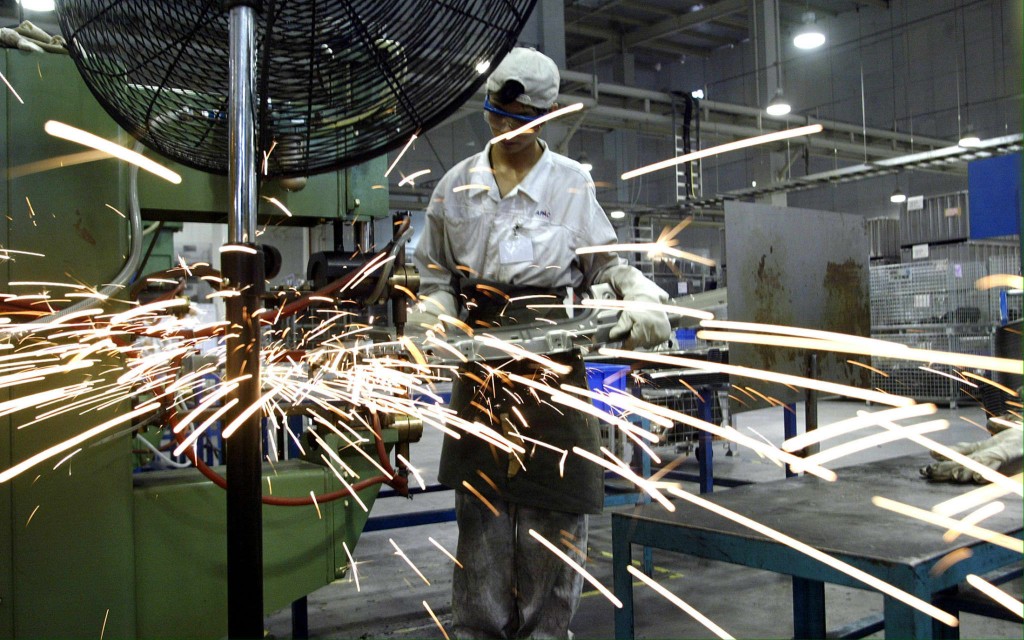
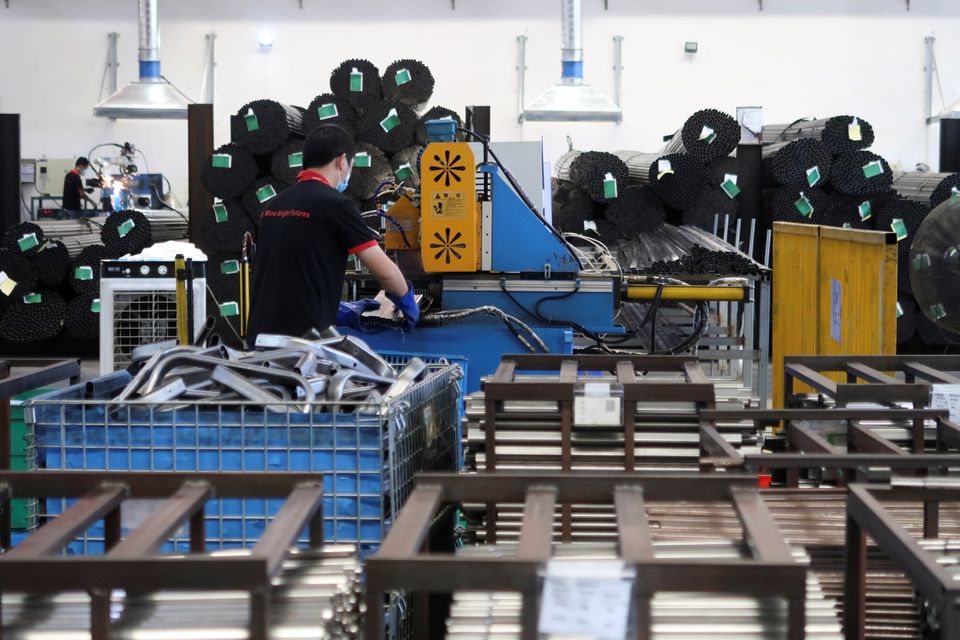
The biggest hit has been in manufactured goods, especially transport equipment and industrial machinery, where China's cost advantage comes into play, Goldman said.
Europe's share of exported capital goods has fallen to 43 percent of global volume from 54 percent in 2005, while China's has surged to 24 percent from 7 percent, including a 50 percent increase in terms of machinery exports to Europe, the brokerage said.
Earlier this month, EU leaders debated new and tougher measures to curb the trade deficit.
Goldman expects the EU to shift its largely accommodating stance towards China to a more assertive—but still targeted—trade policy response.
However, "a US-style blanket tariff" regime remains unlikely since the EU would not want to jeopardize access to a key market for critical materials such as rare earths, the brokerage said.
It expects policy action to first focus on sectors where the evidence of trade diversion and industrial drag is strongest, including steel, machinery and basic chemicals.
Reuters