US inflation increased further in May, breaking above 4.0 percent for the first time in three years as the Middle East conflict boosted energy prices, and potentially drawing the Federal Reserve closer to raising interest rates this year.
The personal consumption expenditures price index surged 4.1 percent in the 12 months through May, the largest increase and first reading above 4.0 percent since April 2023, the Commerce Department's Bureau of Economic Analysis said on Thursday. PCE inflation rose by an unrevised 3.8 percent in April.
Economists polled by Reuters had forecast PCE inflation advancing 4.1 percent. The PCE price index climbed 0.4 percent month-on-month in May after increasing 0.4 percent in April.
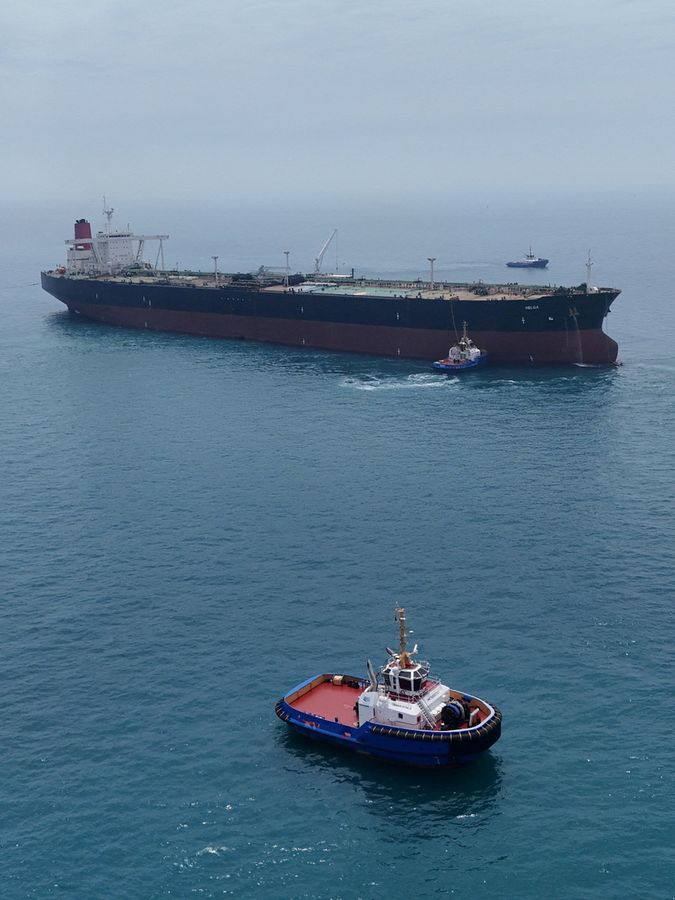
The US-led war against Iran has pushed up oil prices, driving gasoline prices higher. Though oil and gasoline prices have retreated in recent weeks amid a fragile ceasefire, economists expected inflation to remain elevated for a while.
President Donald Trump and his Iranian counterpart Masoud Pezeshkian last week signed a preliminary peace deal that would reopen oil and other shipping lanes that were frozen by the war.
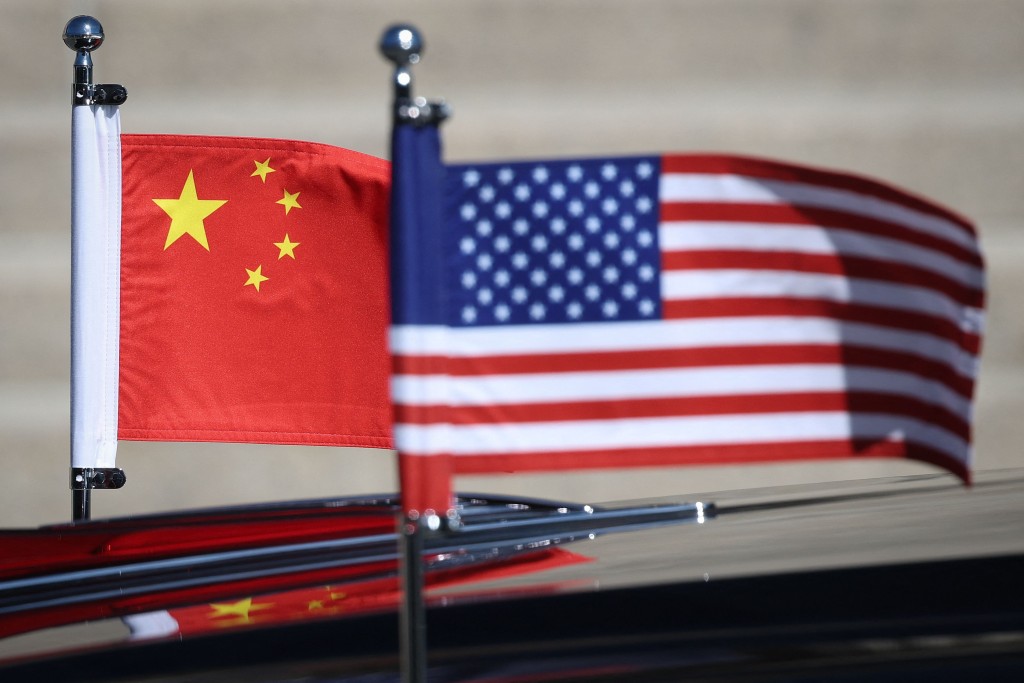
Consumers were before the conflict already struggling with higher prices stemming from Trump's sweeping import tariffs. The higher cost of living is a political liability for Trump and his Republican Party, seeking to retain control of Congress in the midterm elections in November, amid mounting frustration over his stewardship of the economy. Trump won the 2024 presidential election in part because of his promise to lower inflation.
Excluding the volatile food and energy components, the PCE price index increased 3.4 percent year-on-year in May after rising 3.3 percent in April. The so-called core PCE inflation advanced 0.3 percent on a monthly basis after gaining 0.3 percent in April.
The US central bank tracks the PCE inflation measures for its 2 percent target. The Fed last week kept its benchmark overnight interest rate in the 3.50 percent-3.75 percent range, but updated quarterly projections showed policymakers expected to raise borrowing costs this year amid growing concerns about inflation.
Financial markets are betting a rate hike could come as soon as in September, with another increase likely afterwards. Both headline and core PCE inflation were last below 2 percent in early 2021.
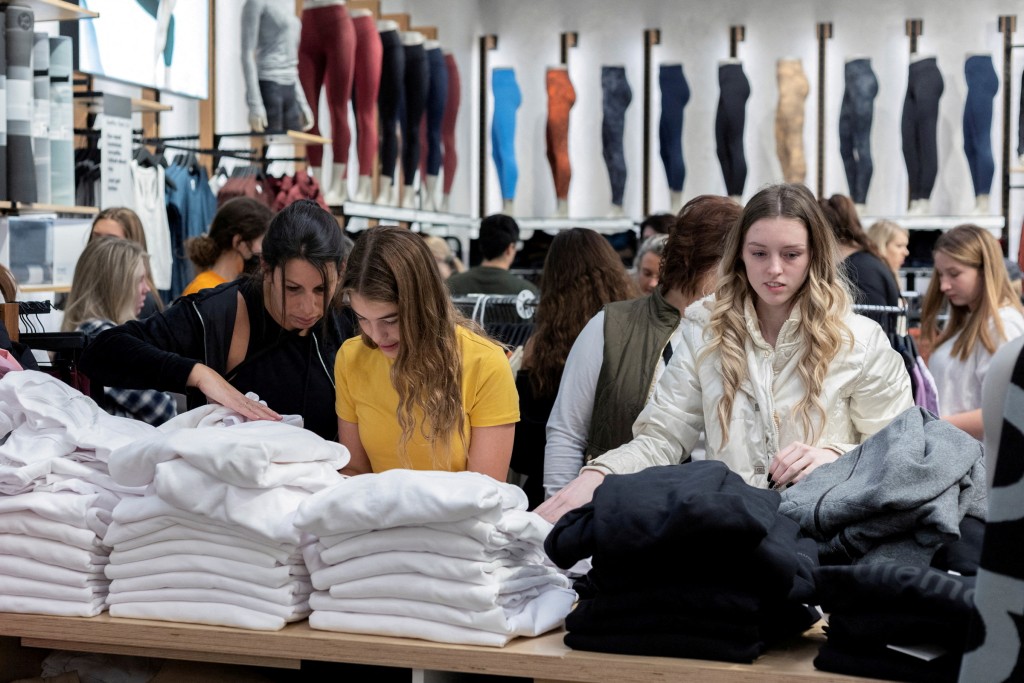
Despite the high inflation, consumers have maintained their spending, thanks to larger tax refunds this year as well as a stock market rally, which have cushioned some of the pain at the pump. Households are also tapping into savings and saving less.
Consumer spending, which accounts for more than two-thirds of economic activity, jumped 0.7 percent in May after rising 0.4 percent in April. Though some of the rise in spending reflects higher prices, consumption appears on track to speed up this quarter after slowing in the January-March quarter.
Gross domestic product estimates for the second quarter are currently as high as a 3.0 percent annualized rate. But with inflation outpacing wage gains, the tax filing season behind and savings dwindling, economists expect households will dial back spending in the third quarter.
Reuters