The dollar fell against most major currencies on Wednesday as investors grew optimistic about a possible end to the Iran war, while a sudden jump in the Japanese yen to a more than two-month high put traders on alert for another round of official buying from Tokyo.
A source from mediator Pakistan who is familiar with the negotiations said Washington and Tehran were closing in on an agreement on a one-page memorandum to end the conflict.
The Pakistani source said a report earlier by U.S. outlet Axios on the proposed memorandum was accurate. The Axios report had cited two U.S. officials and two other sources familiar with the discussions.
The yen rose by as much as 1.8 percent earlier in a swift move that left the dollar at a session low of 155, around its weakest since February 24. The dollar had earlier broadly strengthened against a range of currencies before a sudden move lower against the yen, which triggered speculation of another round of intervention.
Japanese Finance Minister Satsuki Katayama earlier in the week warned against speculative moves in foreign exchange, after a brief jolt higher in the yen sparked speculation Tokyo had again intervened to support the currency.
"As I have said repeatedly, we will take decisive measures against speculative moves, in accordance with the statement signed between Japan and the United States last year," Katayama told reporters after the Asian Development Bank's annual meeting in Uzbekistan.
The Ministry of Finance of Japan could not be reached immediately for comment during a local holiday.
Part of the problem for Japanese authorities in staving off persistent weakness in the yen lies in markets that are beyond their immediate control, such as higher U.S. Treasury yields, which favor the dollar, and oil, CIBC Capital Markets head of G10 FX strategy Jeremy Stretch said.
"It's very tough to get the yen down if oil is going to remain elevated and/or U.S. Treasury yields are, in terms of 10-years, you're nearer 4.4 percent than you are 4.2 percent. So that was always going to be the difficulty the Japanese were going to have. The fact that we've been able to get it back to 156.5, given the fact that we've still got 10-year yield at 4.42 percent and oil is still closer to US$100 (HK$780) than US$75, I guess, is some degree of success," he said.
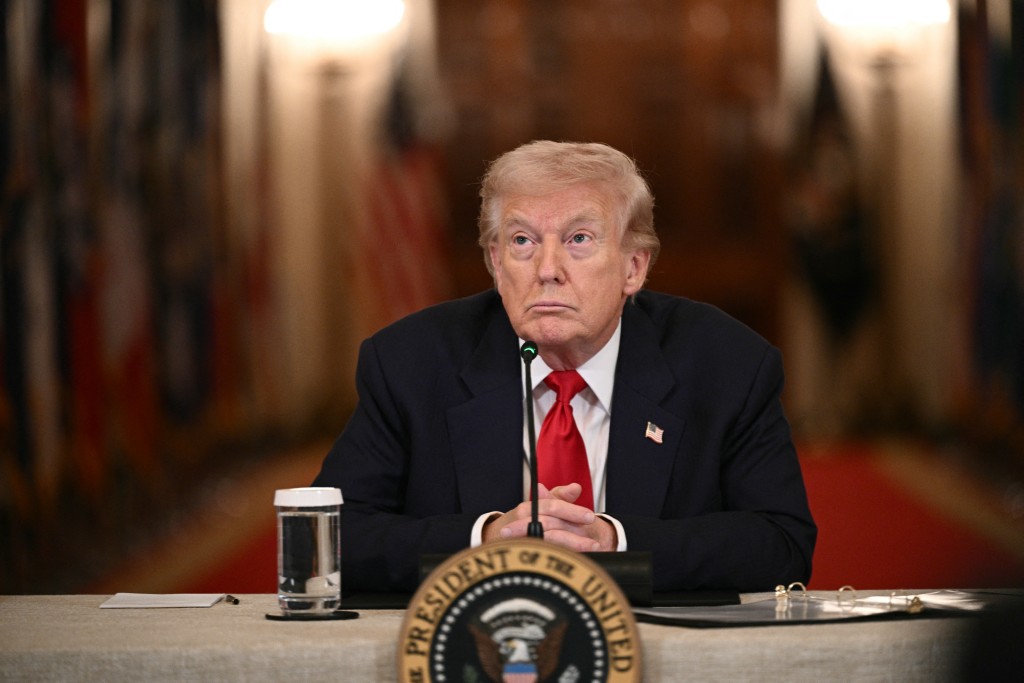
Overnight, President Donald Trump said he would briefly pause an operation to help escort ships through the Strait of Hormuz, citing progress towards a comprehensive agreement with Iran, shortly after U.S. Secretary of State Marco Rubio said on Tuesday that the United States had achieved its objectives in its military campaign against Iran.
Oil prices dropped 10 percent on Wednesday, bringing Brent crude below US$100 a barrel.
The euro rallied sharply, rising 0.8 percent to US$1.1785, as did sterling, which traded at US$1.364.
The Australian dollar traded around its highest in four years, rising 1.1 percent on the day to US$0.726, in the wake of the Reserve Bank of Australia's decision the previous day to raise rates for the third time this year.
The markets are now gearing up for the U.S. non-farm payrolls release later this week, which will serve as a test of whether the economy remains resilient enough to keep the Federal Reserve's monetary policy on hold, or whether a softening labor market could revive the case for interest rate cuts.
Reuters