U.S. natural gas futures eased about 1 percent on Tuesday on forecasts for less demand over the next two weeks than previously expected as gas flows to liquefied natural gas (LNG) export plants decline during the usual spring maintenance season.
After rising for six days in a row, front-month gas futures for June delivery on the New York Mercantile Exchange fell 2.5 cents, or 0.9 percent, to US$2.842 per million British thermal units (mmBtu). On Monday, the contract closed at its highest since April 7 for a third day in a row.
In the cash market, average prices at the Waha Hub in West Texas have remained in negative territory for a record 62 days in a row as pipeline constraints trap gas in the Permian region, the nation's biggest oil-producing shale basin.
Daily Waha prices first averaged below zero in 2019. They did so 17 times in 2019, six times in 2020, once in 2023, 49 times in 2024, 39 times in 2025, and a record 71 times so far this year.
Waha prices have averaged a negative US$2.22 per mmBtu so far in 2026, compared with a positive US$1.15 in 2025 and a positive US$2.88 over the past five years (2021 to 2025).
SUPPLY AND DEMAND
Financial group LSEG said average gas output in the U.S. Lower 48 states fell to 109.1 billion cubic feet per day (bcfd) so far in May, down from 109.5 bcfd in April and a monthly record high of 110.6 bcfd in December 2025.
Output has declined over the past couple of months due in part to low spot prices, which prompted energy firms like EQT, the second-largest U.S. gas producer, to temporarily reduce production as they wait for prices to rise later in the year.
Analysts said mostly mild weather earlier this spring allowed energy firms to inject more gas into storage than usual.
They noted, however, that recent output declines coupled with cooler weather and higher demand likely reduced the inventory surplus to around 7 percent above normal during the week ended May 1, down from 8 percent above during the week ended April 24.
Looking ahead, meteorologists forecast the weather will remain mostly near normal through May 20 with cooling demand starting to overtake heating demand for the first time this year.
LSEG projected average gas demand in the Lower 48 states, including exports, would hold near 97.8 bcfd this week and next. Those forecasts were lower than LSEG's outlook on Monday.
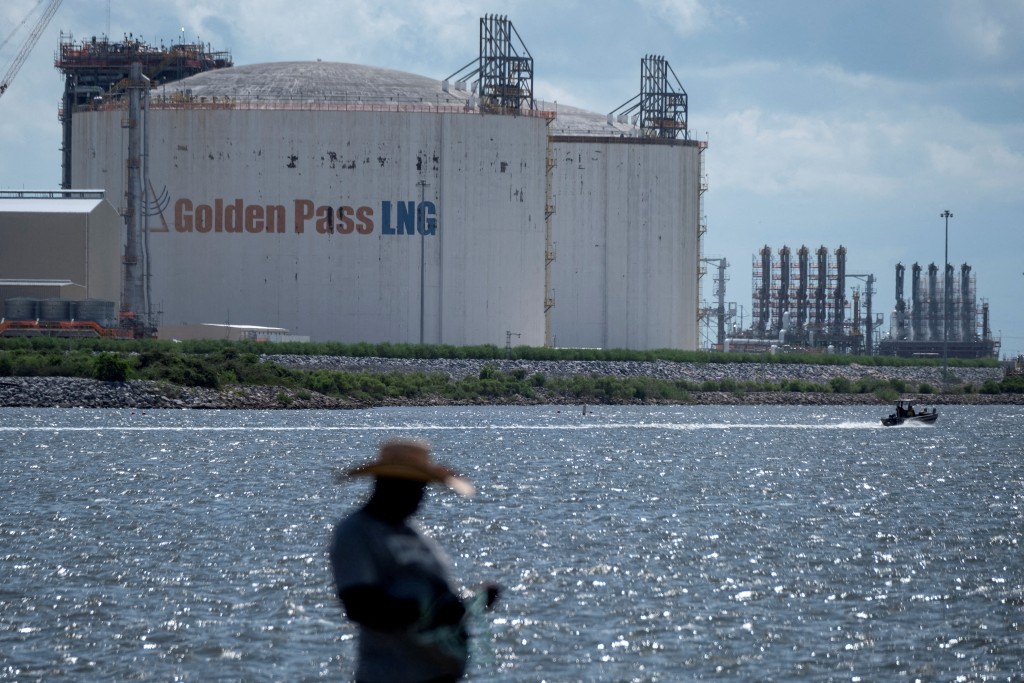
Average gas flows to the nine big U.S. liquefied natural gas (LNG) export plants fell to 17.3 bcfd so far in May, down from a monthly record of 18.8 bcfd in April.
Reuters