Read More

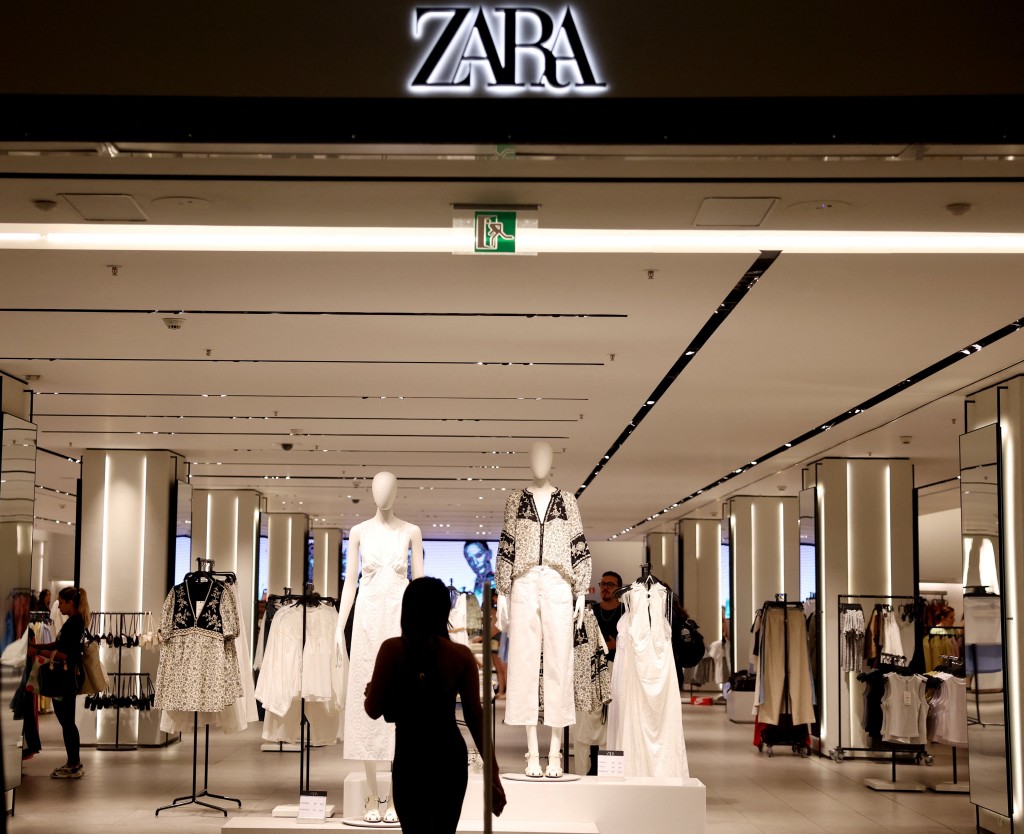
Zara owner Inditex defies consumer gloom with strong early summer sales
03-06-2026 22:01 HKT



Eric Tsang and his daughter pocket 8pc profit on The Cliveden home sale
23-06-2026 15:13 HKT


Zara owner Inditex, the world’s biggest fast-fashion company, reported a good start to its first quarter with currency-adjusted sales up 9 percent between February 1 and March 8, meeting analysts’ expectations and exceeding 7 percent adjusted sales growth in 2025.
The result is likely to demonstrate to investors that Inditex can sustain solid growth despite fragile demand in its key European and US markets, and households under growing pressure from a surge in oil and gas prices triggered by the conflict in the Middle East.
“We think that the shares could outperform today on reassuring full-year results,” Berenberg analyst Anne Critchlow said in a note.
Expectations had been high ahead of Wednesday, with analysts estimating growth of anywhere between 8 percent and 12 percent for the start of the first quarter.
Sales in the November to January quarter, including the key Black Friday and Christmas shopping periods, rose to 11.69 billion euros (HK$106.4 billion) from 11.2 billion euros a year prior.
The pace of Inditex’s sales growth has cooled since a post-pandemic boom, but its profitability has improved as it has improved stores and logistics to get new clothes to shoppers faster.
Inditex has been closing smaller, less successful stores and opening new flagships around the world that are more spacious, to make them less crowded and give them more of a premium brand feel. It has also invested 1.8 billion euros in building a second logistics hub in Zaragoza.
With fewer, bigger stores, Inditex said it expects overall store space to increase by 5 percent in 2026, after a 5.3 percent increase last year. Globally, the company had 5,460 stores at the end of January, 103 fewer than a year ago.
Helped by price increases over the past three years, Inditex’s operating profit margin has grown, with its earnings before interest and taxes (EBIT) margin hitting 20.1 percent in 2025, up from 19.6 percent in 2024. Inditex’s profitability is much higher than that of its major rival H&M, which had an operating margin of 8.1 percent in 2025.
Reuters