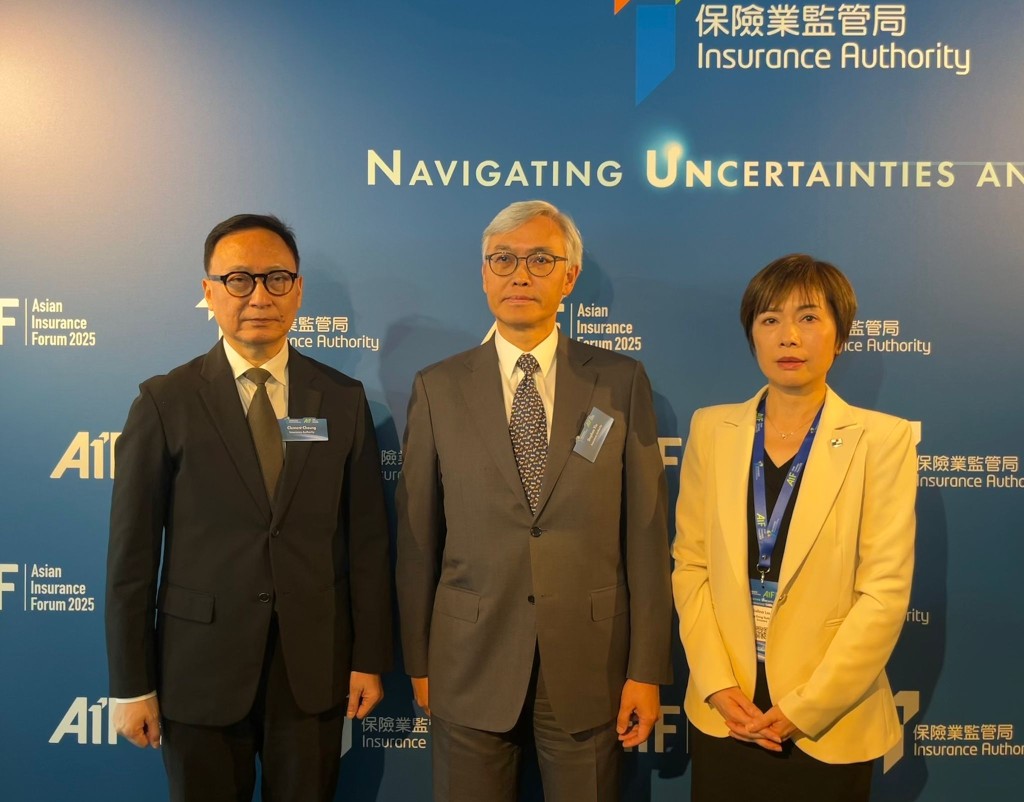
Climate change has increased public awareness of insurance and the demand for property protection, creating more opportunities for the insurance industry, an officer of China's top financial regulator said at a forum on Monday.
Xiao Yuanqi, Vice Minister of the National Financial Regulatory Administration, pointed out that as global temperatures rise, extreme weather events such as typhoons and floods are becoming more frequent, which increasingly impact property safety, public health, and economic growth, pushing insurance companies to reprice their coverage and investments.
In the event of a major natural disaster, the domestic product growth rate (GDP) would decrease by 0.24 percent. However, if 25 percent of the losses were covered by insurance, the GDP growth rate would only decrease by 0.15 percent, according to the research cited by Xiao.
He further noted that climate change could influence "the industry's willingness to provide new products" and potentially create an imbalance of supply and demand and coverage gaps. Insurance companies are increasingly relying on the reinsurance market, said Xiao.
Xiao said that while banks and insurance companies are subject to rigorous regulation, non-bank financial institutions have become increasingly interconnected with them in recent years. This has made it harder to identify risks and accelerated their transmission.
He noted that regulators' efforts to strengthen capital requirements and tighten risk exposure limits help prevent insurance companies from raising their risk appetite in pursuit of short-term gains.
He added that regulators must also scrutinize the sustainability of insurers' business models to protect policyholders and safeguard financial stability.
Authorities will prioritize financial institutions' strategies as a key regulatory focus, having conducted extensive training on assessing business strategies, particularly examining maturity mismatches and cost-benefit alignment.
He further emphasized the AI application in insurance sectors, as it could help to "potentially reduce costs and improve efficiency".
Xiao added that technology and finance complement each other, with major technological innovations driving overall growth in the financial sector. Many financial institutions in mainland China are applying AI to their services to reduce costs and enhance efficiency.
Hannah Wang