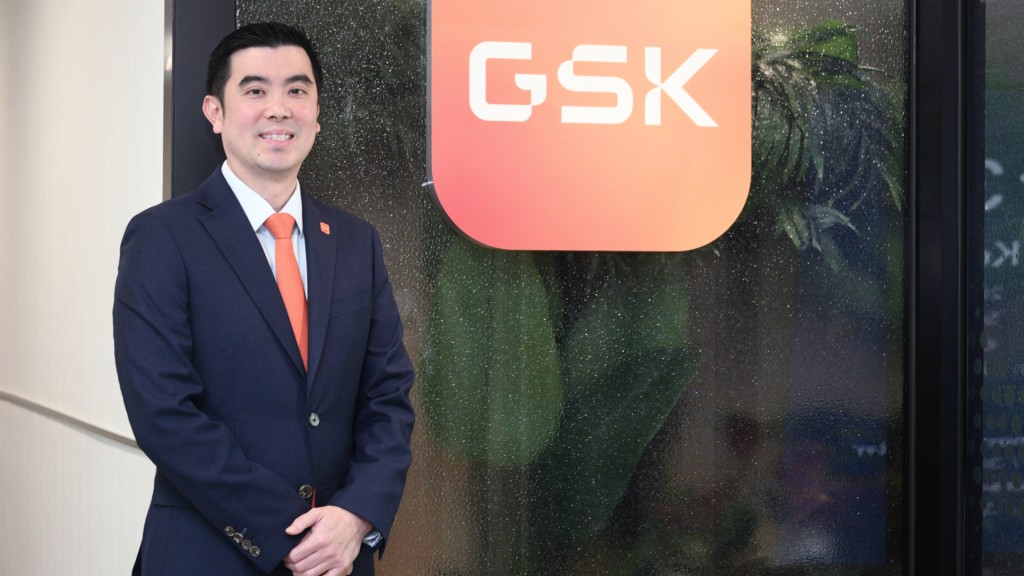
Hong Kong’s plan to independently assess and approve new drugs based on its scientific review of clinical trial data gives it the opportunity to become a very attractive market for pharmaceutical companies, said GSK Hong Kong and Macau general manager Nicholas Teo Zefeng.
The new method, also known as primary evaluation, can not only cut drug approval times by six to 12 months by allowing the SAR to begin reviews simultaneously with globally renowned regulators like the US Food and Drug Administration and the European Medicines Agency, but also make the city a possible reference market for other regions’ approval process in the future, Teo said in an interview with The Standard.
While direct drug costs may not always decrease following the implementation, other values – such as reductions in hospitalizations, improved productivity and broader public health benefits – could be significant, Teo stressed.
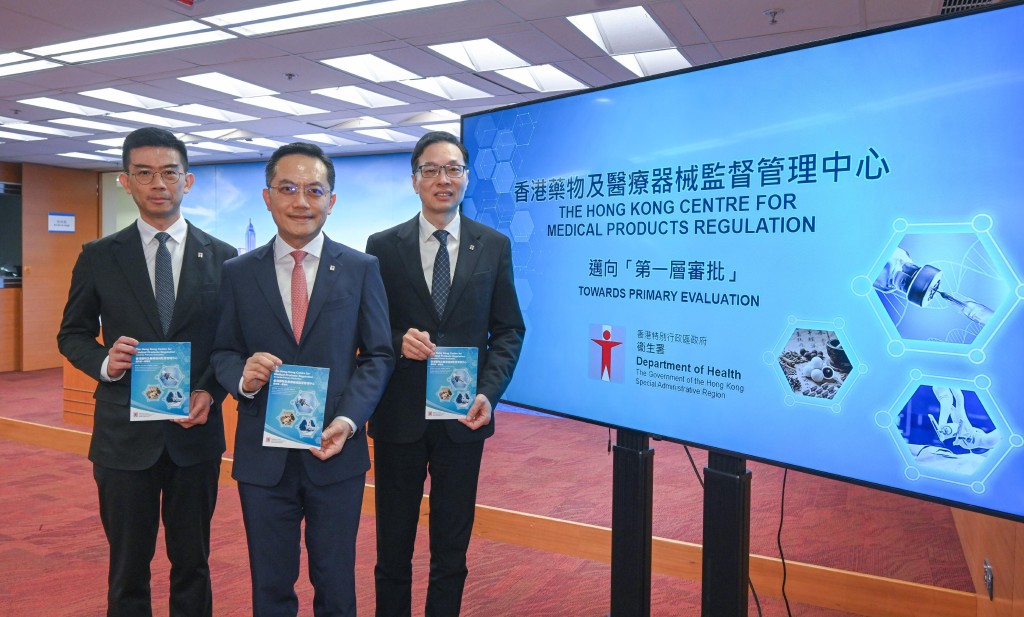
Hong Kong is set to phase in primary evaluation from next year, with full implementation by 2030. A new drug regulatory body, the Hong Kong Centre for Medical Products Regulation, will begin operations by late next year as well.
While acknowledging that independent evaluation is a complex process with expertise and knowledge required to understand the data, Teo believes the new regulator could get accreditation by aligning with international standards.
“Hong Kong is ranked as having one of the top health care systems in the world – it is efficient and has proven to be very effective,” said Teo, adding that he does not think the public would have a negative opinion on locally approved drugs.
Hong Kong’s life expectancy is among the highest in the world, which “shows that health care is working” he said.
There is growing recognition of the importance of Asian clinical data, which bolsters the case for expanding research and development capabilities across the region, be it in Hong Kong, China, Singapore or Southeast Asia, he said.
The London-based multinational pharmaceutical firm currently has more than 100 employees in Hong Kong and Macau, comprising sales, marketing, support staff, as well as a small research and development team with three to four members for clinical trials and support, Teo said, adding that there is “strong potential” for it to grow in the future.
Teo said he expects both existing products, including vaccines, and those in the pipeline, such as oncology, to benefit from the primary evaluation, and that GSK is open to partnering with the government to identify candidates suitable for primary evaluation.
The new drug regulatory body will begin operations late next year. (GIS)
Despite the benefits, Teo does not think the new mechanism will replace the existing “1+” and secondary evaluation, which rely on in-advance overseas regulatory approvals. There are different challenges or considerations, depending on the route, but having an additional option makes Hong Kong more attractive for investments, he stated.
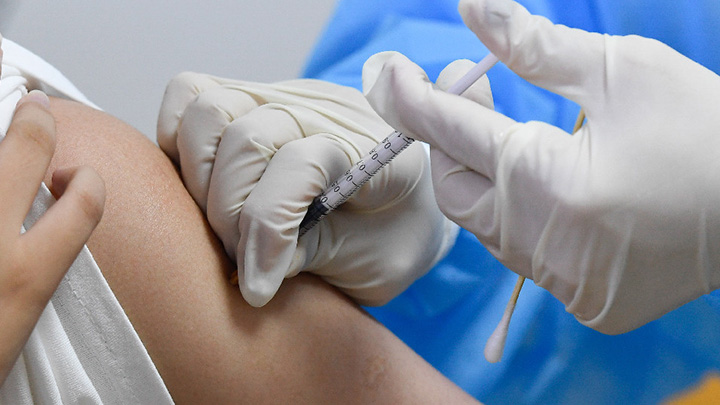
Public awareness of vaccines and vaccination technologies has improved significantly in Hong Kong since the pandemic, but the immunization rate still has room for improvement.
For example, he said, shingles vaccines currently reach around 5 percent of the population, which is already considered high compared to other markets, but it also means 95 percent remain unprotected.
Teo said GSK’s shingles jabs portfolio has seen strong double-digit year-on-year growth in Hong Kong in recent years, driven by increased awareness and strong health care provider engagement.
“Vaccination is sometimes a funny thing – when you are well, you may not think of the things that you want to do to keep yourself healthy. It’s only when you’re sick that you go to the health care professional,” he said.
GSK has partnered with insurer FWD (1828) and local patient group Care for Your Heart to raise awareness about shingles and cardiovascular health.
This kind of cooperation is what health care should look like in the future: where policymakers set clear priorities, pharma contributes evidence and innovation and insurers help make health care access more sustainable, he said.
Teo remains optimistic about the growth of pharmaceutical industry in Hong Kong even amid uncertainties. With an aging population and growing demand for health care, the sector is projected to grow by 5 to 8 percent in the coming years, from the current 2 to 3 percent.
(Aiden He)