Read More









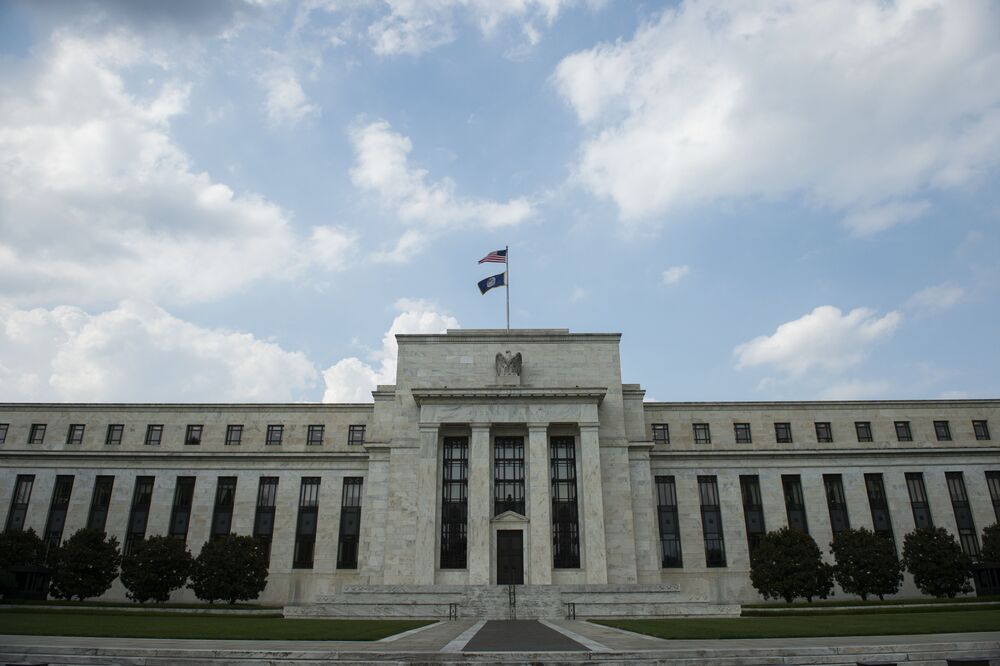
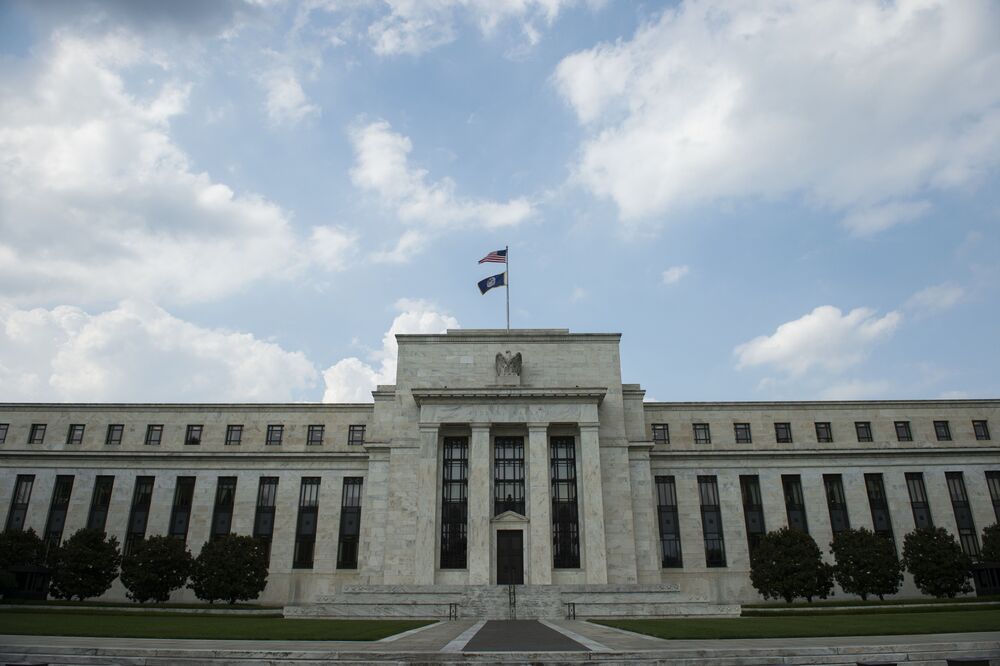
Economic activity rose “slightly” since mid-January but businesses across the country reported uncertainty surrounding new policies from the Trump administration, particularly on tariffs, the Federal Reserve said in its Beige Book survey of regional business contacts.
Prices climbed “moderately” in most areas, with several regions reporting faster price increases compared to the previous period. Looking ahead, firms across the country “expected potential tariffs on inputs would lead them to raise prices, with isolated reports of firms raising prices preemptively.”
Tariff mentions came up 49 times in the Fed report released Wednesday, while variations of the word uncertainty appeared 47 times.
The Beige Book, which was compiled by the Federal Reserve Bank of Minneapolis using information gathered on or before Feb. 24, includes anecdotes and commentary on business conditions in each of the 12 Fed districts. The Fed said “unusual weather conditions” in some areas weakened demand for leisure and hospitality.
“Consumer spending was lower on balance, with reports of solid demand for essential goods mixed with increased price sensitivity for discretionary items, particularly among lower-income shoppers,” according to the report.
The report showed a mixed employment picture, with seven areas indicating no change in the period. Multiple contacts cited uncertainty over immigration and other policies as influencing current and future labor demand.
“Wages grew at a modest-to-moderate pace, which was slightly slower than the previous report, with several districts noting that wage pressures were easing,” the report said.
The Beige Book is one of the regular economic briefing documents officials get before their policy meeting. Fed officials next meet March 18-19. Policymakers are widely expected to keep borrowing costs steady at that gathering.
Concerns about weakening growth have increased among economists and market participants in recent weeks, fueled by President Donald Trump’s tariffs and speculation that other policies, like deportations and reduced immigration, could also restrain the economy.
Bloomberg