Read More








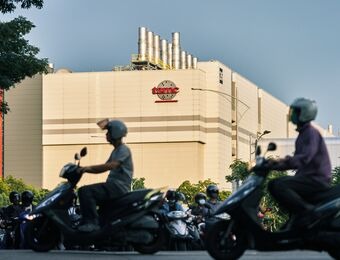
Taiwan Semiconductor Manufacturing is considering taking a controlling stake in Intel’s factories at the request of Trump administration officials, a person familiar with the matter said, as the president looks to boost American manufacturing and maintain US leadership in critical technologies.
Trump officials raised the idea of a deal between the two companies in recent meetings with the Taiwanese chipmaker, the person said, and TSMC was receptive. It’s unclear whether Intel is open to a transaction.
The talks are in very early stages, and the exact structure of a potential partnership hasn’t been established. But the intended result would have the world’s largest made-to-order chipmaker fully operating Intel’s US semiconductor factories, said the person, who asked not to be identified because the conversations are private. It also would address concerns about Intel’s deteriorating financial state, which has forced the company to slash jobs and curb its global expansion plans.
The arrangement may involve having major American chip designers take equity stakes, according to the person, along with support from the US government. That means the venture wouldn’t solely be owned by a foreign company. TSMC is the go-to chipmaker for Apple Inc., Nvidia Corp. and other companies developing semiconductors that power AI algorithms.
Still, the possible partnership could run into political hurdles, not unlike those that have hamstrung a proposed acquisition of United States Steel Corp. by Japanese maker Nippon Steel Corp.
A White House official said that the president is unlikely to support a foreign entity operating Intel’s factories.
TSMC and Santa Clara, California-based Intel declined to comment.
Intel shares pared losses on Friday after Bloomberg reported on the discussions. The stock was down 2.2 percent to US$23.6 (HK$184.08) at the close in New York after dropping as much as 5.3 percent earlier in the session.
While Intel has lost a lot of ground to rivals over the last five years, it still manufactures the most widely used components in the personal computer and server industries. And it has the largest and most advanced production network owned by a US-based company. Those factories have taken on vital strategic importance as Washington works to reverse decades of semiconductor manufacturing shifting to Asia.
Under former Chief Executive Officer Pat Gelsinger, Intel embarked on an ambitious and expensive plan to restore its chipmaking lead, and the company won US$7.9 billion in US government funding to support projects in four states. It’s also secured US$3 billion to produce chips for the US military, all of which will be paid out over time as Intel’s plants hit key milestones. The company has received US$2.2 billion as of January.
But that effort has so far failed to attract enough outside customers to make the investments worthwhile, particularly at a new site in Ohio. Intel’s own products also are losing market share, adding to the overall squeeze on its finances — just when it needs to spend heavily. Gelsinger was forced out in December after the board lost confidence in his turnaround plans.
BLOOMBERG