Read More

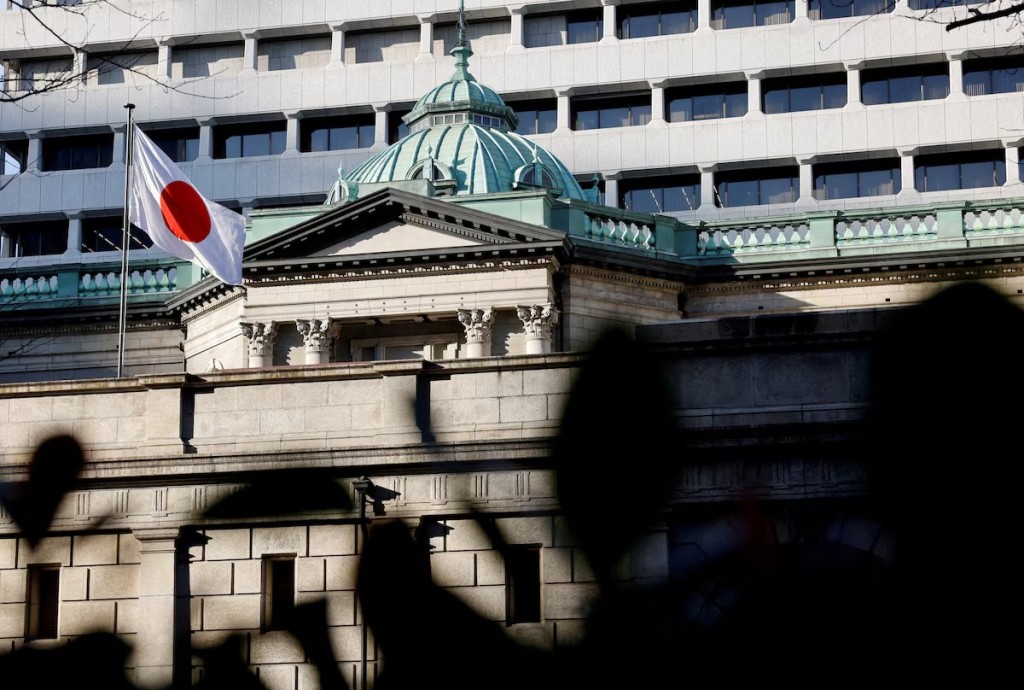


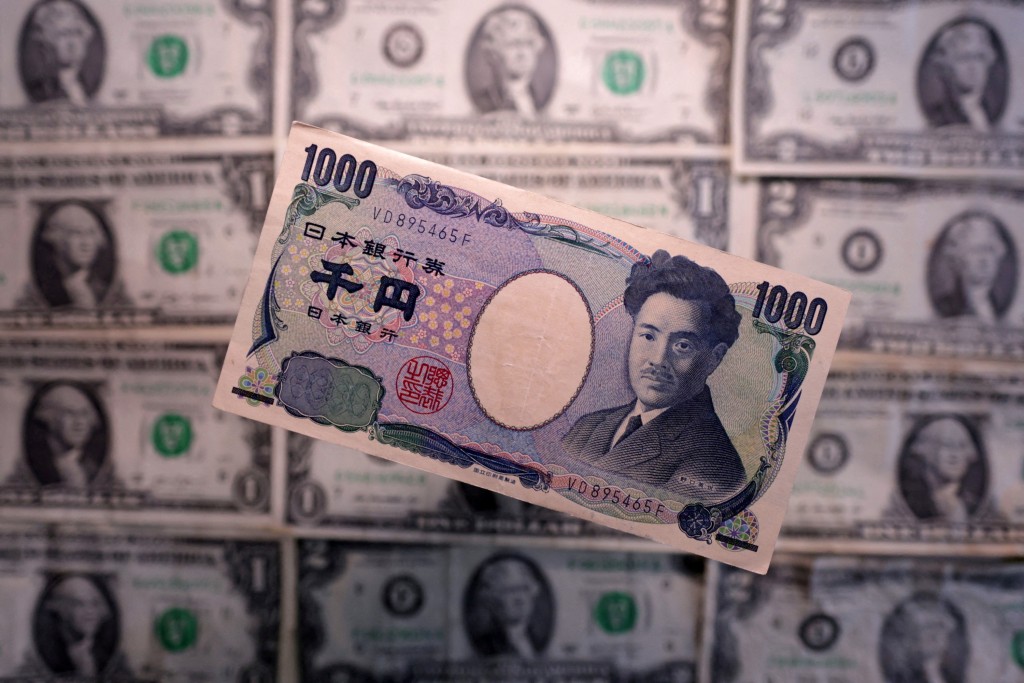





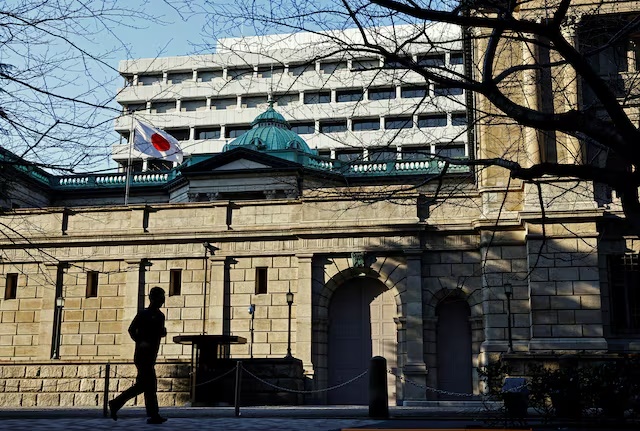
The Bank of Japan was expected to hike its main interest rate on Friday by the most in 18 years despite fears of economic turmoil under US President Donald Trump.
Even as other central banks have hiked borrowing costs in recent years, the BoJ has remained an outlier, maintaining an ultra-loose stance in an attempt to spark growth and inflation.
But it concluded last March that Japan's "lost decades" of economic stagnation and static or falling prices were over, finally lifting rates above zero.
That first hike since 2007 was followed by another in July, the second of which caught investors off guard and caused major market volatility.
This time, the BoJ has prepared markets for another hike, and around three-quarters of economists polled by Bloomberg News predict one.
People familiar with the matter said BOJ officials see a high possibility of a rate hike on Friday, barring too many negative surprises from Trump, Bloomberg reported.
The two conditions set by BoJ chief Kazuo Ueda -- wage hikes and no major volatility following Trump's inauguration -- appear to have been met.
The BoJ is expected to raise its benchmark lending rate by 25 points to 0.50 percent, the highest since 2008, when the BoJ cut its rate from 0.75 percent during the global financial crisis.
It is also the biggest hike since February 2007.
The BoJ is also expected to signal more rate hikes going forward, assuming its expectations for the world's fourth-biggest economy come to pass.
"With no market turbulence after Trump's inauguration," conditions for the BoJ to hike its policy rate have been met, said Ko Nakayama, chief economist of Okasan Securities Research.
"Raising just 25 basis points to 0.5 percent won't cool the economy," he said.
There are however concerns among Japanese companies that Trump could throw a spanner in global trade and drive up inflation with major hikes in US import tariffs.
Japan's economic growth also slowed between July and September, partly because of one of the fiercest typhoons in decades and warnings of a major earthquake, which did not materialise.
"The Bank of Japan is dialling back monetary policy support despite the poor run of economic data. The weak yen is a key reason," Moody's Analytics said in a note.
The weak yen and "a series of hotter-than-expected inflation prints for consumer, producer and import prices" will prompt the central bank to hike its key rate, it said.
Data released Friday showed Japanese core inflation accelerating to 3.0 percent in December from 2.7 percent in November.
The reading remained above the Bank of Japan's two percent inflation target, which it has surpassed every month since April 2022.
Marcel Thieliant at Capital Economics said that Japanese inflation was set to remain above the BoJ's objective "for a while yet".
As a result "we're sticking to our forecast that the policy rate will reach an above-consensus 1.25 percent by the end of next year," Thieliant said.
(AFP)