Read More





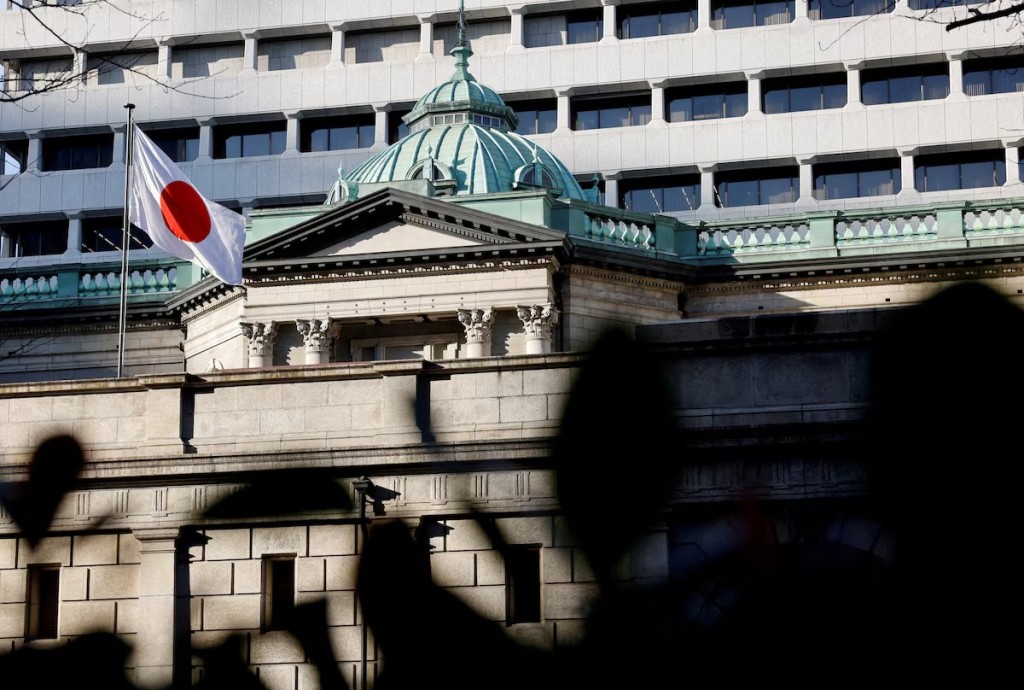



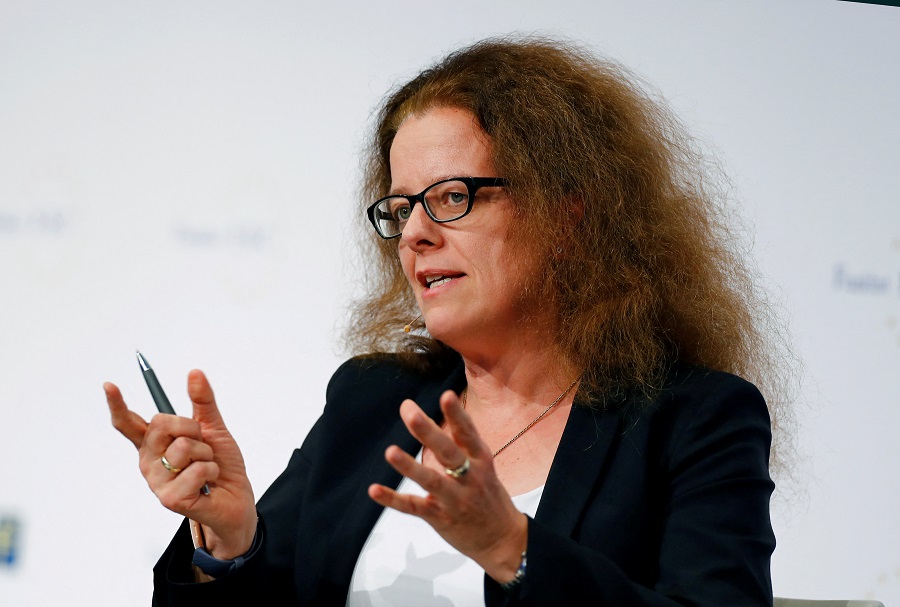
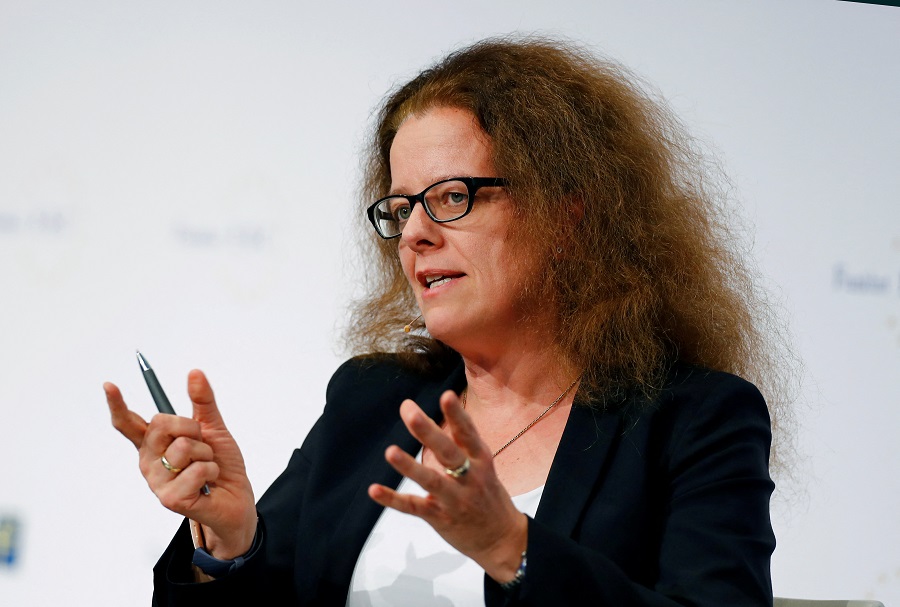
The European Central Bank likely has room to continue lowering borrowing costs as inflation converges toward 2 percent, but must proceed carefully, executive board member Isabel Schnabel said.
“We currently see no major risks that could prevent us from reaching our 2 percent target,” she said in an interview with Finanztip’s Youtube channel. “If that is the case, we will probably be able to lower interest rates further.”
But she also stressed that “after the steep rate cuts over the last few months, we are getting closer and closer to the point where we have to take a closer look at whether and to what extent we can still reduce rates.”
The ECB has widely telegraphed another quarter-point reduction at its meeting in less than two weeks, following four such moves in 2024. With inflation expected to sustainably reach 2 percent this year, officials’ focus is shifting toward the struggling economy.
Economists and investors see a total easing of 100 basis points in 2025, bringing the deposit rate to 2 percent from 3 percent.
Still, uncertainty about the outlook for growth and inflation is elevated, not least because of Donald Trump’s return to the White House on Monday.
Schnabel said that the new US administration makes a trade conflict “very likely,” with potential negative effects for economic activity and prices also in Europe, especially if the EU retaliates. “This then leads to import prices rising,” she said.
At the moment there’s little information about Trump’s plans, Schnabel said, leading to very high uncertainty that’s dampening private consumption and investments. This is “poison” for the economy, she said.
However, “we are well on track and expect to return to our 2 percent inflation target this year,” said Schnabel, who also acknowledged that the ECB could have increased rates sooner when consumer-price growth accelerated in 2022 and 2023.
“The extremely high inflation of the past few years has been very difficult for many people. It took us a relatively long time to react to it,” she said.
Looking at Germany, Schnabel sees three major challenges for a new government after snap elections on February 23: overcoming the country’s structural crisis, dealing with the green transformation and addressing the shortage of skilled workers.
BLOOMBERG