When it comes to national security, many of us don't ever give our infrastructure a second thought, but disruptions to critical ones like the Internet, water and energy could destabilize society and the economy.
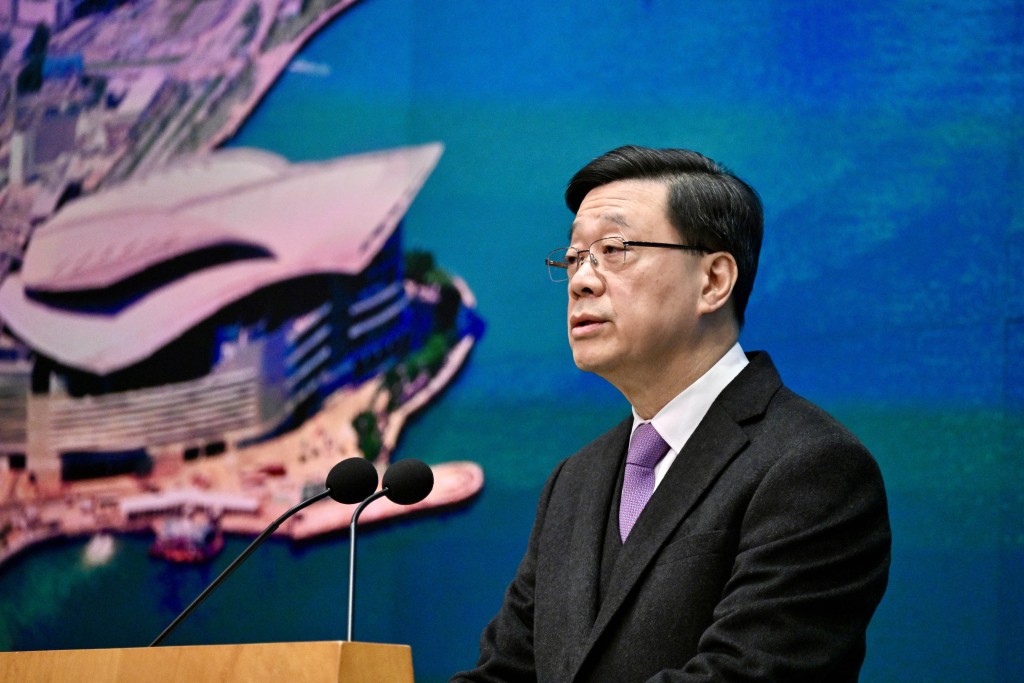
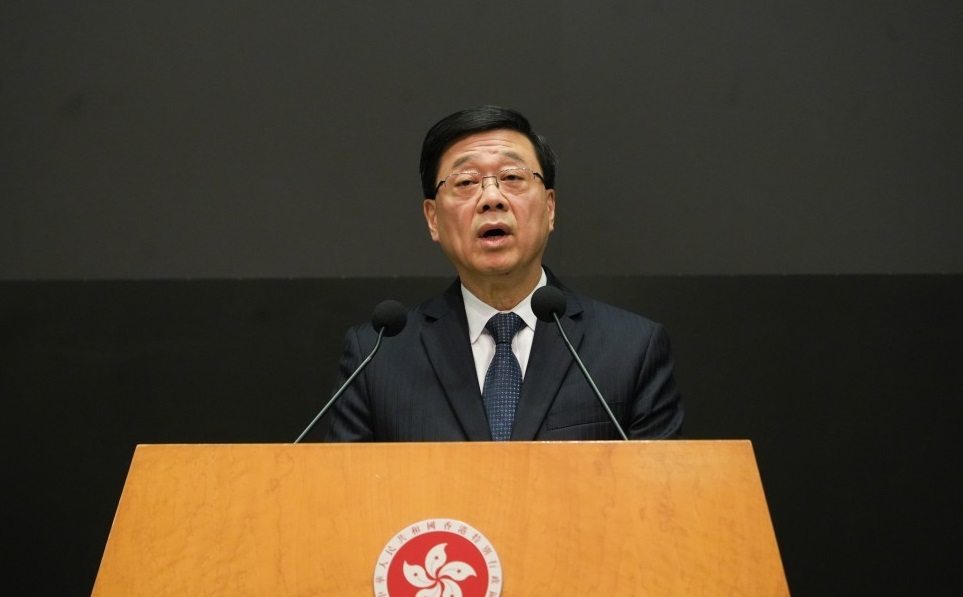
Hong Kong's reliance on external resources makes resilient infrastructure an even more security priority. Infrastructure is key to prosperity, and no wonder Chief Executive John Lee Ka-chiu emphasized the need to transform Hong Kong into an infrastructure hub.
The World Internet Conference Asia-Pacific Summit being held in the city for the first time marks the city’s push to be a digital hub, whereas reliable Internet underpins economic activities from finance to logistics. Disruptions to the Internet will paralyze markets and society.
Governments are increasingly concerned about cybersecurity as breaches could compromise systems and personal privacy. These are among the issues to be discussed at the conference.
At the International Water Pioneers Summit held in the city last week, Lee cited the Dongjiang water supply scheme that turned the city from being water-scarce into one with stable supply.
He also highlighted artificial intelligence and digital technology plans for water management to bolster reliability and efficiency.
Hongkongers take water and energy for granted, which is not conducive to raising public support for conservation or investment in alternative sources. Indeed,
Hong Kong is short of natural freshwater, though we are surrounded by sea water, which needs to be desalinated for use. As such, we have been relying on Dongjiang since the 1960s.
The Dongjiang water exhibition, which celebrates the 60th anniversary of supply to the city, highlights this dependence.
Back in 1963, Hong Kong had to limit water supply to four hours every four days, something that many of us under 60 have not seen.
The crisis led to the supply of Dongjiang water from 1965, providing Hong Kong 70-80 percent of its freshwater. It underlined the importance of having stable supply, showing how shortages could disrupt daily life and economic activities.
In contrast, Singaporeans, who have also experienced water shortage and rationing in the 1960s, treasure water more than Hongkongers. Its response to the crisis has been efforts to attaining water independence, aiming for 50 percent of recycled water and 30-35 percent desalination by 2060, to reduce its dependence on Malaysia.
Hong Kong is also building desalination facilities, though on a limited scale.
Singapore’s water prices are higher due to production costs. Hong Kong offers free water for basic consumption despite charging progressive rates for excessive use, raising a question whether the city’s inexpensive tariffs encourage overuse.
In terms of energy, both Hong Kong and Singapore are known for energy security, but energy resources are imported.
While natural gas is the main resource for both, Hong Kong is ahead in terms of low-carbon energy, thanks to the import of nuclear energy from Guangdong, which accounts for about a quarter of the energy mix, and is likely to import more green energy such as hydrogen from across the border. Singapore, which has started to explore nuclear energy, plans to source green energy such as solar from its neighbors and even as far as Australia.
Internet, water, and energy systems are essential infrastructure that is vital to stability and prosperity.
Hongkongers should treasure them.