
Read More
When world leaders take to the skies, their aircraft serve as much more than a secure means of transportation; they act as floating ambassadors, projecting the national image and technological prowess.
ADVERTISEMENT
SCROLL TO CONTINUE WITH CONTENT
While both Chinese President Xi Jinping and US President Donald Trump travel in highly customized Boeing 747s, the operational philosophies, cabin configurations, and levels of transparency behind China's special plane and the world-famous Air Force One reveal fundamentally different approaches to statecraft.
Temporary transformations versus permanent duty
The most striking difference lies in how the two nations manage their presidential fleets. China does not maintain a permanent, dedicated fleet of aircraft solely for its head of state.
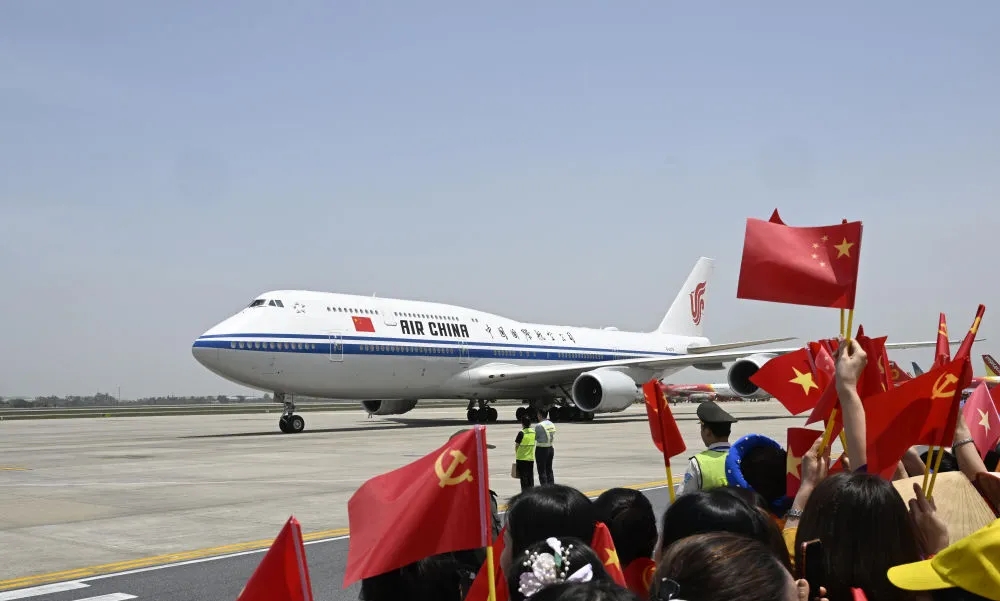
Instead, when a state visit is scheduled, the Civil Aviation Administration of China coordinates with Air China to temporarily requisition a plane from its active commercial fleet.
Approximately 20 days prior to departure, the aircraft is handed over to the 34th Transport Aviation Division of the People's Liberation Army Air Force for rigorous safety inspections and temporary cabin retrofitting, which includes removing regular seating.
Once the diplomatic mission concludes, the aircraft is restored to its original commercial configuration and returned to civilian service.
Former Chinese diplomatic protocol officials have noted that this flexible arrangement avoids wasting resources, prevents the perception of special privileges, and mitigates the maintenance risks associated with leaving a complex aircraft idle for long periods.
In contrast, Air Force One is a permanent, dedicated military asset. The current primary fleet consists of two highly customized Boeing 747-200B aircraft, designated by the US military as VC-25A.
These planes are permanently equipped with advanced defense, communication, and living facilities, and they remain in a continuous state of high combat readiness, never participating in commercial aviation.
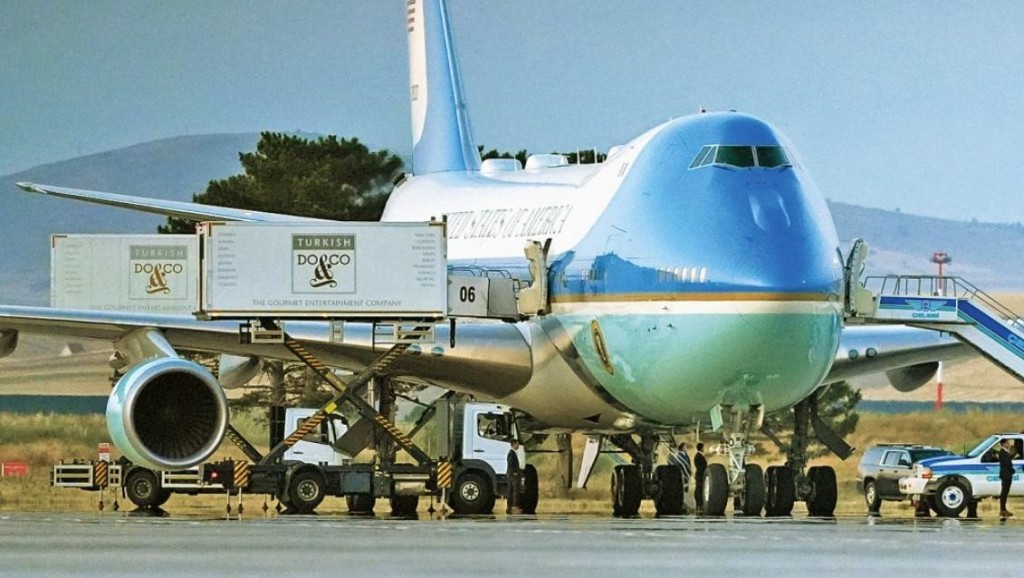
(File Photo from AFP)
A shared preference for the Boeing 747 family
Despite their operational differences, both nations favor the double-decker, four-engine Boeing 747 family for their supreme leaders.
In recent years, China has upgraded President Xi's travel arrangements from the older Boeing 747-400 to Boeing’s final passenger flagship, the Boeing 747-8I Intercontinental.
Meanwhile, as the US awaits the delayed delivery of its next-generation VC-25B fleet to replace the aging 30-year-old VC-25A models, the American presidency has utilized a customized Boeing 747-8I—originally acquired from the Qatari royal family—as a transitional aircraft, offering faster speeds and longer flight range.
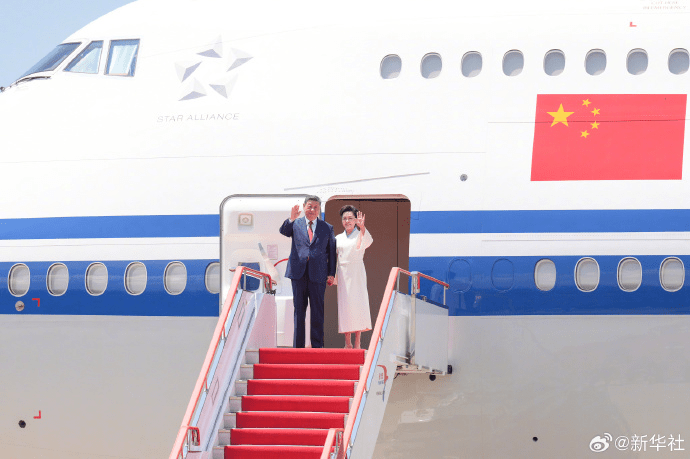
(File Photo from Xinhua)
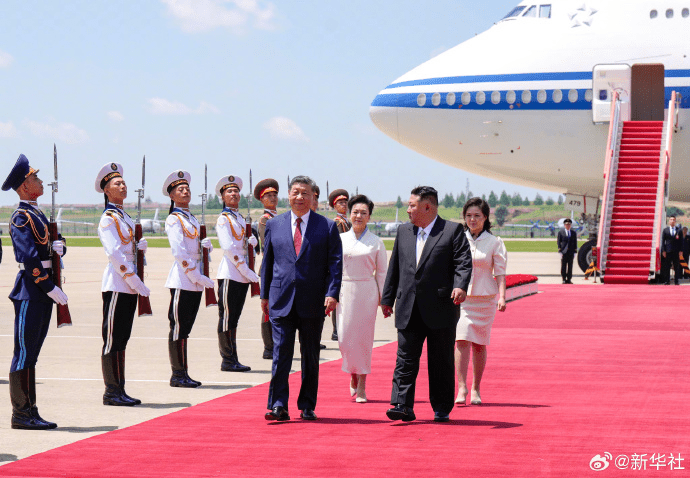
(File Photo from Xinhua)
Divergent designs for cabin life
The interior layouts of the two aircraft reflect their differing organizational structures. President Xi’s aircraft features a strict four-zone layout.
The forward cabin serves as the presidential suite, complete with living quarters, an office, and a bedroom.
The middle cabin is reserved for minister-level and senior officials, while the mid-rear section accommodates departmental officials and security personnel.
The rear of the aircraft is designated for media reporters and general staff.
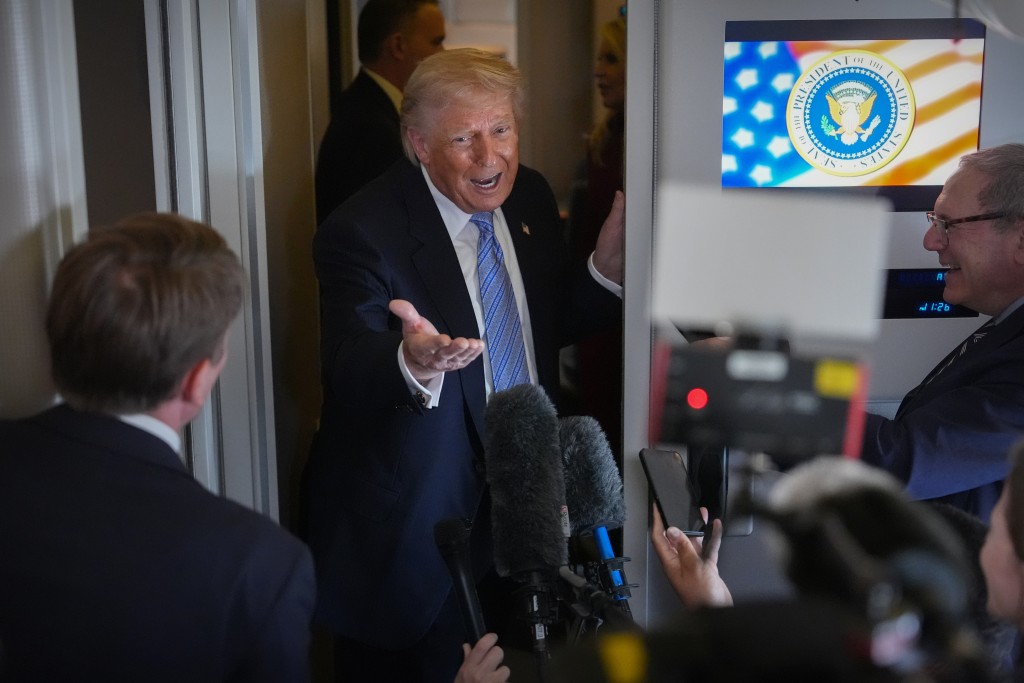
Air Force One, on the other hand, operates as a three-story, 4,000-square-foot flying White House. It is designed as a fortress capable of surviving nuclear electromagnetic pulses, radiation, and missile threats.
The aircraft features a presidential suite, a dedicated conference room, an operating room staffed by a traveling physician, and two galleys capable of serving 100 meals at a time.
To ensure complete autonomy in any territory, it is equipped with mid-air refueling capabilities, built-in airstairs, and automated baggage loaders.
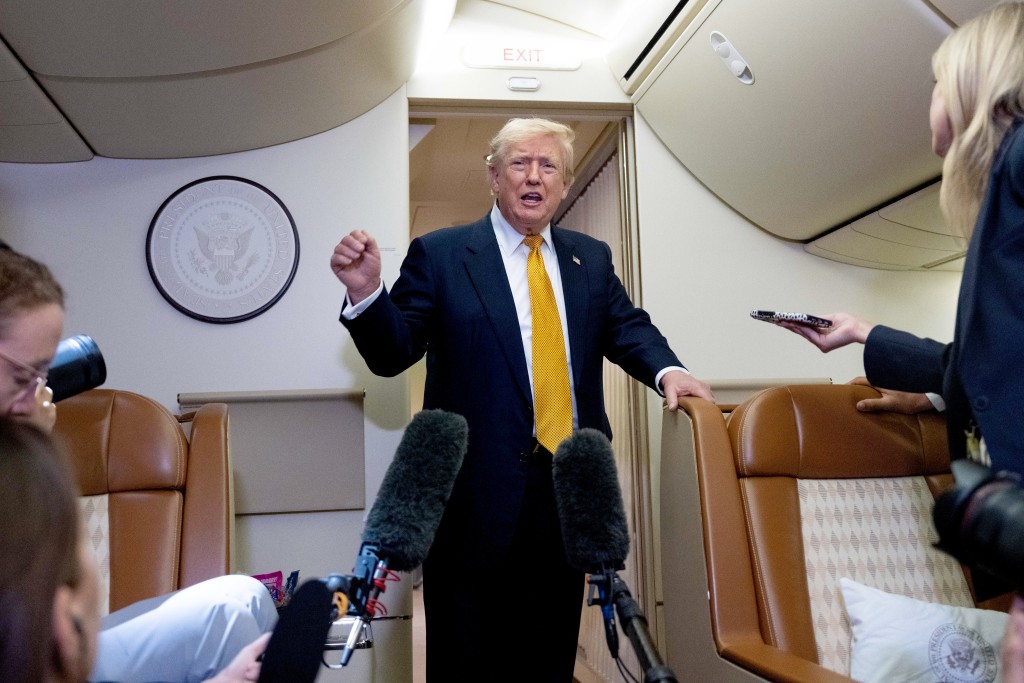
(File Photo from AFP)
(File Photo from AFP)
Secrecy versus global branding
The two aircraft also project vastly different public images.
The technical specifications and interior details of the Chinese presidential aircraft remain closely guarded secrets.
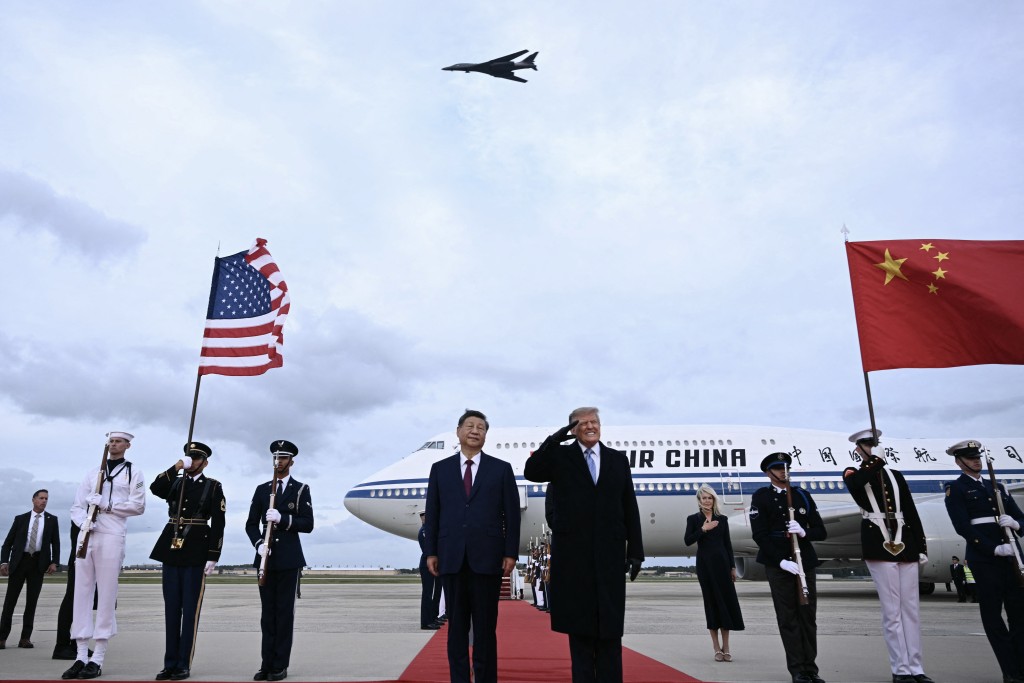
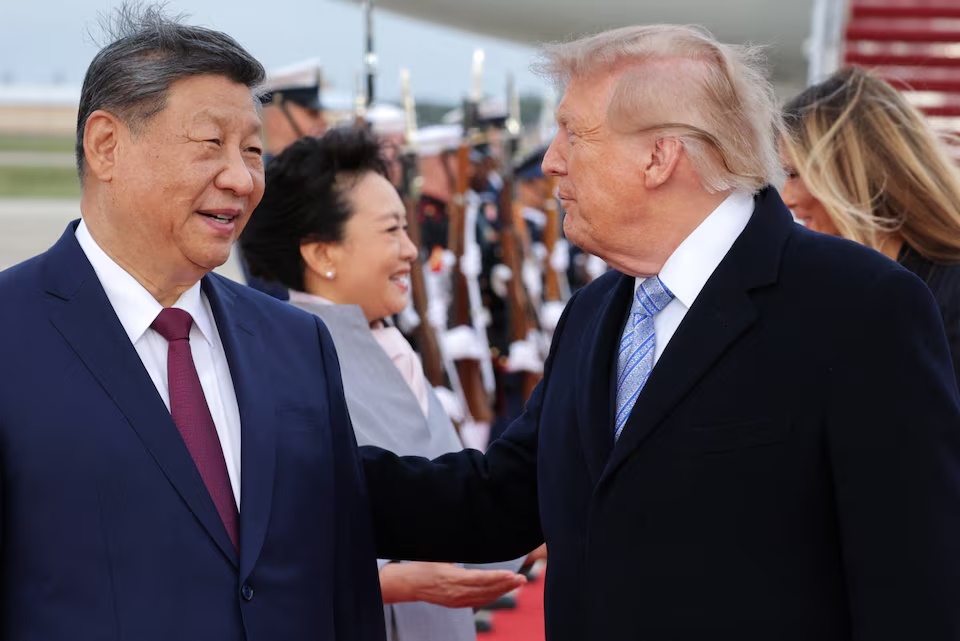
Externally, the plane retains the standard commercial livery of Air China, featuring the familiar blue-and-white fuselage, the national flag, and the artistic phoenix logo.
Conversely, the White House maintains a dedicated, public web page detailing the history and performance of Air Force One.
Painted in iconic baby blue and white, with the words "United States of America," the American flag, and the presidential seal prominent on its fuselage, the plane is designed to be instantly recognizable worldwide as a symbol of American authority.