Lawmakers in Taiwan approved legislative changes on Tuesday that open the door for Starlink to operate its satellite internet service on the island, which is trying to secure its communications in case of a war with China.
Taiwan, which China claims is part of its territory and has threatened to seize by force, has no low-Earth-orbit satellites of its own and relies on subsea telecoms cables to connect it to the rest of the world.
Taiwan's Chunghwa Telecom has struck deals with several foreign satellite companies to provide back-up telecommunications in case of war or natural disaster, but lawmakers argued it was not enough.
They said the Telecommunications Management Act's requirements for telecoms operators to have a Taiwanese chairperson and foreign ownership caps of 49 percent had deterred Starlink from entering Taiwan's market.
In a rare moment of unity in the deeply divided parliament, lawmakers from President Lai Ching-te's Democratic Progressive Party joined the opposition in approving changes to allow a case-by-case review process that could exempt companies, such as Starlink, from these rules.
Authorities will be required to take into consideration national security, network security, market competition and other factors when making their decision.
"This is a crucial step for Taiwan as it moves into a new era of international satellite communications and builds a resilient digital nation," Kuomintang lawmaker Huang Chien-hao said in a statement.
The amendments will be sent to Lai to sign and put into effect.
Lai's office said the changes "facilitate the future development of more diverse satellite communication services and strengthen communications resilience".
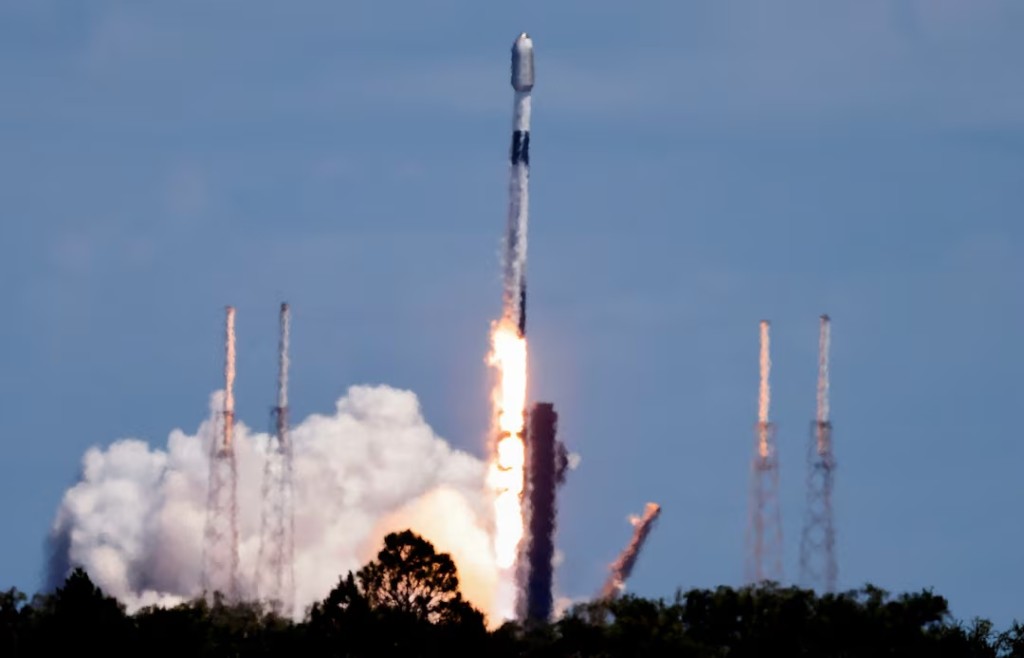
Starlink, owned by US billionaire Elon Musk, dominates the global satellite communications sector with thousands of satellites in orbit and operations in dozens of countries.
Taiwanese authorities have already seen what happens when subsea cables are disconnected.
In February 2023, two telecoms lines serving Taiwan's outlying Matsu archipelago were severed, disrupting communications for weeks.
Taiwan has also learned lessons from Ukraine, where Starlink has been a vital communications tool for the country's forces fighting Russia's troops.
DPP lawmaker Lin Chun-Hsien said: "This kind of satellite communication can greatly enhance the security and resilience of communications."
However, some in Taiwan are wary of relying too heavily on Starlink after Musk admitted blocking a Ukraine attack on Russian warships by turning off internet access to the system.
Musk's business ties with China and his previous comments that Taiwan should become part of China have also angered the island.
Even with the changes, however, it is unclear if Starlink will be interested in making its satellite service available to the island.
Digital Affairs Minister Lin Yi-jing said on Facebook in May that Starlink had indicated recently Taiwan was not "a high-priority market", citing its "small size and high population density", and nearly 100 percent 4G and 5G population coverage.
"This may reflect Starlink's true position, or it may simply be a negotiating tactic," Lin said.
AFP