Read More






China's spy chief warns of national security risks from AI
14-09-2026 20:03 HKT



Seven arrested over Kwai Chung illegal gathering
14-09-2026 12:33 HKT


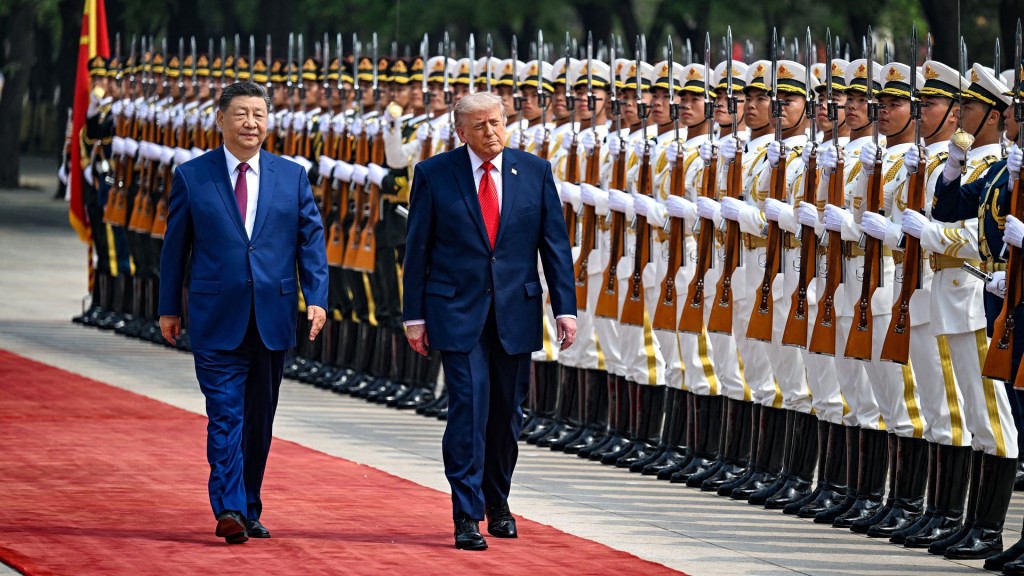
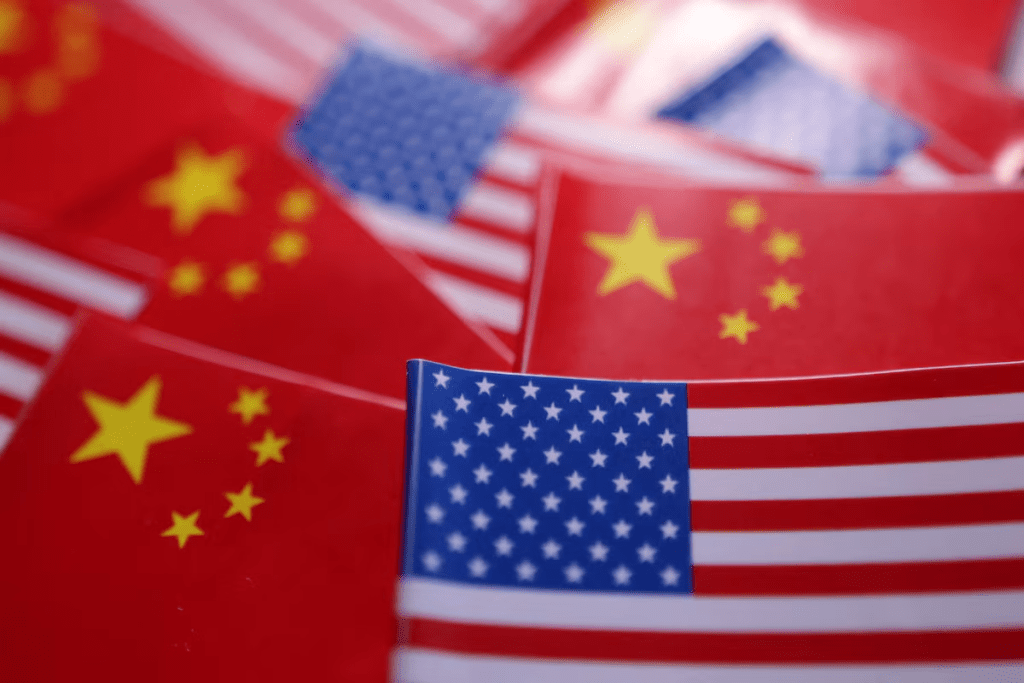
For the first time in recent years, global public opinion has tilted in favor of China over the United States.
A comprehensive new international survey reveals that across a majority of the nations polled, people now hold a more positive view of the Asian superpower than they do of the U.S., marking a significant shift in international sentiment during the early stages of President Donald Trump's second term in office.
The extensive survey, which polled over forty-two thousand adults across thirty-six countries between February and May of 2026, highlights a rapid reversal in global alliances and perceptions.
Just last year, the United States generally enjoyed a more favorable reputation than China.
Today, the U.S. is viewed more positively in only six of the surveyed nations, primarily within the Asia-Pacific region, including India, Japan, the Philippines, and South Korea.
The shifting tide is largely driven by a combination of improving views toward Beijing and deteriorating opinions of Washington.
This trend is clearly visible even among America's closest geographic neighbors.
In Canada, for instance, public opinion heavily favored the United States over China in 2023.
By 2025, sentiment had tied, and currently, Canadians hold a more favorable view of China than they do of the United States. A similar preference for China is now seen in Mexico.
Public confidence in both the American and Chinese presidents remains relatively low worldwide, but Chinese President Xi Jinping has managed to edge out President Trump in global trust metrics.
During the latter half of Joe Biden’s presidency, the American leader generally outpaced his Chinese counterpart in global confidence, despite a steady decline in his own ratings. That dynamic has now flipped.
In Europe, neither leader manages to secure a majority positive rating, but Xi consistently ranks higher than Trump.
In several major European nations, including Germany, Italy, and the United Kingdom, confidence in the Chinese leader exceeds that of the American president by double digits.
Trump continues to hold an advantage in nations neighboring China, though this lead is showing signs of vulnerability.
In South Korea, public confidence in the two leaders has leveled out, representing a stark departure from the previous year when the American president held a substantial lead.
One specific area where the United States continues to hold an advantage over China is in the perception of human rights and personal liberties.
More people globally believe the U.S. government respects the personal freedoms of its citizens than believe the same about the Chinese government.
However, this historical advantage is rapidly eroding. The survey indicates that the narrowing gap is largely due to plummeting international faith in America's commitment to personal freedoms.
Since 2021, the belief that the U.S. respects the liberties of its people has suffered massive double-digit drops across numerous allied nations, including Canada, France, Germany, and Sweden.
Concurrently, a growing share of the public in certain countries is beginning to view China's record on personal freedoms more favorably.
While the U.S. maintains a massive lead on this issue in countries like Israel and Japan, China is now viewed as more respectful of personal freedoms in several other nations, including Indonesia and Malaysia.
As the two superpowers fiercely compete for influence, middle-income nations across the Global South are increasingly viewing China as a more stabilizing force. Across seventeen surveyed middle-income countries in Latin America, Africa, the Middle East, and the Asia-Pacific, the United States is overwhelmingly viewed as an interfering power.
A vast majority of respondents in these regions believe the U.S. frequently meddles in the affairs of other nations, whereas less than half say the same about China.
Furthermore, these developing markets are increasingly looking to Beijing as a dependable ally.
In South Africa, a significant majority now view China as a reliable partner that contributes to global peace, while less than half feel the same way about the United States.
A similar realignment is occurring in Latin America. While populations in South American nations previously viewed the United States as their most reliable partner, public opinion in countries like Argentina, Brazil, and Peru is now evenly split between Washington and Beijing.