The reconstruction of the Huanggang port, one of the busiest land crossings between Shenzhen and Hong Kong, is expected to be largely completed this year and the new port is set to begin operations in 2026, according to the Shenzhen authorities.
The announcement marks the first official confirmation of the new port’s opening timeline.
The Huanggang port, the country’s first and only 24-hour passenger checkpoint between Shenzhen and Hong Kong, has been undergoing reconstruction since 2019.
According to Shenzhen media report, the new Huanggang Port will adopt a "co-location arrangement" for collaborative inspection and joint customs clearance, replacing the traditional "two checks in two places" system.
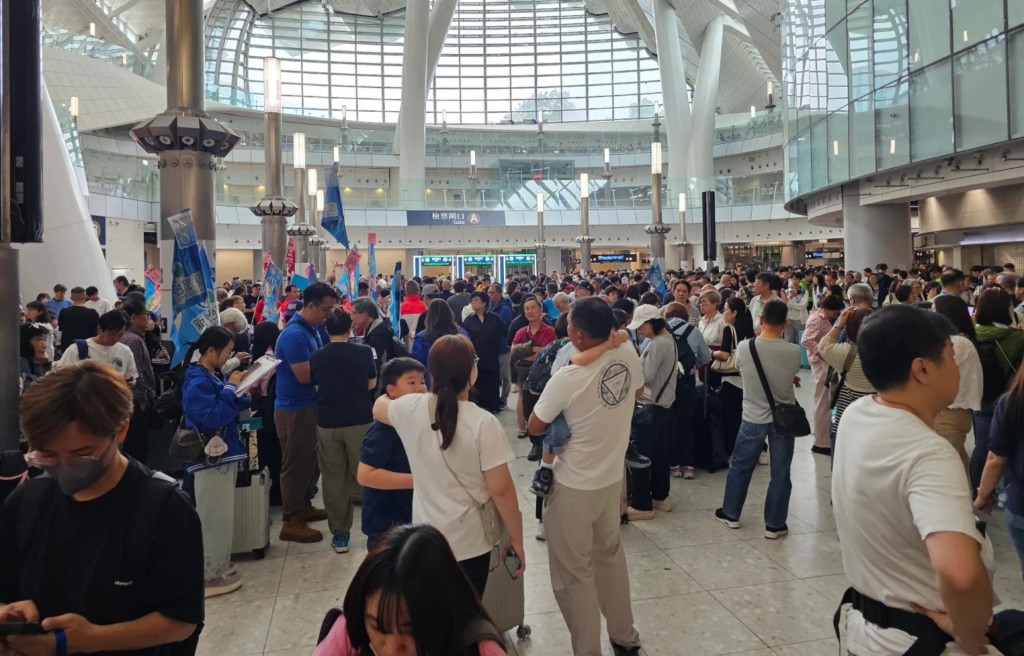
Under the new model, travelers will only need to go through one round of inspections, significantly reducing the clearance process from approximately 30 minutes to about five minutes.
The redesigned port will occupy 75,000 square meters, a sharp reduction from its original footprint of over 500,000 square meters.
The freed-up land will be repurposed for a new international collaborative innovation zone, with a total planned construction area of 1.8 million square meters.
Adjacent to the port, an international talent community is set to be developed, adding 180,000 square meters of living space equipped with globally oriented healthcare and educational facilities.
The new Huanggang Port will also enhance regional connectivity, integrating with Shenzhen Metro Line 7 and Hong Kong’s Northern Link (NOL) spur line among a total of five rail connections.
At peak capacity, the port is expected to handle 200,000 daily crossings initially, with a long-term target of 300,000.
The SAR government had earlier revealed that the superstructure of the new Huanggang Port building is currently under construction.
Shenzhen will cover the design and construction costs for the entire project, including Hong Kong’s port area, while Hong Kong will fund additional expenses such as departmental equipment and IT systems at the Hong Kong port.
Meanwhile, Shenzhen and Hong Kong are advancing the NOL spur line through a cross-border railway task force.
Detailed planning is expected to begin this year, with efforts to synchronize the spur line’s completion with the main line by 2034 or earlier.
Ayra Wang