Read More
With less than a month until the Chinese New Year, The Standard’s “Countdown to CNY” series will bring you the Spring Festival traditions and even the Chinese zodiac forecast.
ADVERTISEMENT
SCROLL TO CONTINUE WITH CONTENT
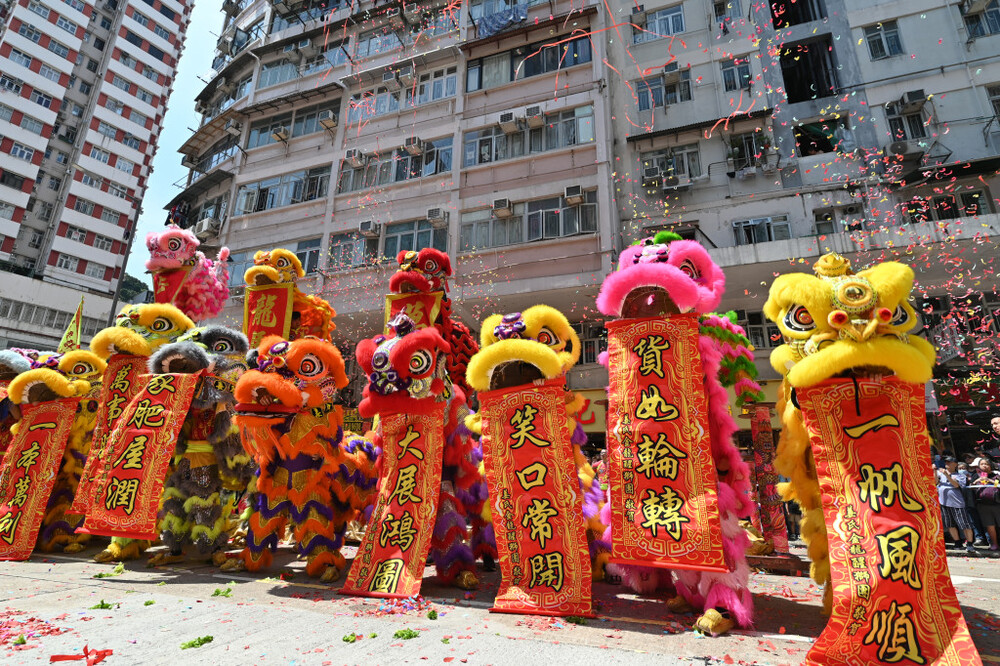
Lion dancing, a 2,000-year tradition from the North, brings a traditional performance of dramatic and acrobatic movements in Chinese culture.
During the Han Dynasty, lions were gifted from Central Asia to Northern China as gifts for the emperor, and later incorporated into dance.
The Northern lion dance involves semi-realistic, shaggy-haired lion costumes, and the Southern one is more well-known today with dragon-like heads and bright and bold colours. The mirror between the lion’s eyes and the horn in the center of its forehead are meant to fight evil spirits, therefore it is considered bad luck to touch those sacred parts.
First developed in Guangdong, the Southern lion dance involves martial arts and a “cai qing” (plucking the greens) ceremony, which is a tradition to bring prosperity to the new year. The Southern version can be categorized further into Fut San and Hok San disciplines, with the latter being developed by “Canton Lion King” Feng Geng Zhang in the early 20th century. Fut San is based mainly on kung fu, while Hok San is more playful and expressive.