Few today would associate this largely residential New Territories district with global manufacturing, yet it has an unforgettable industrial past.
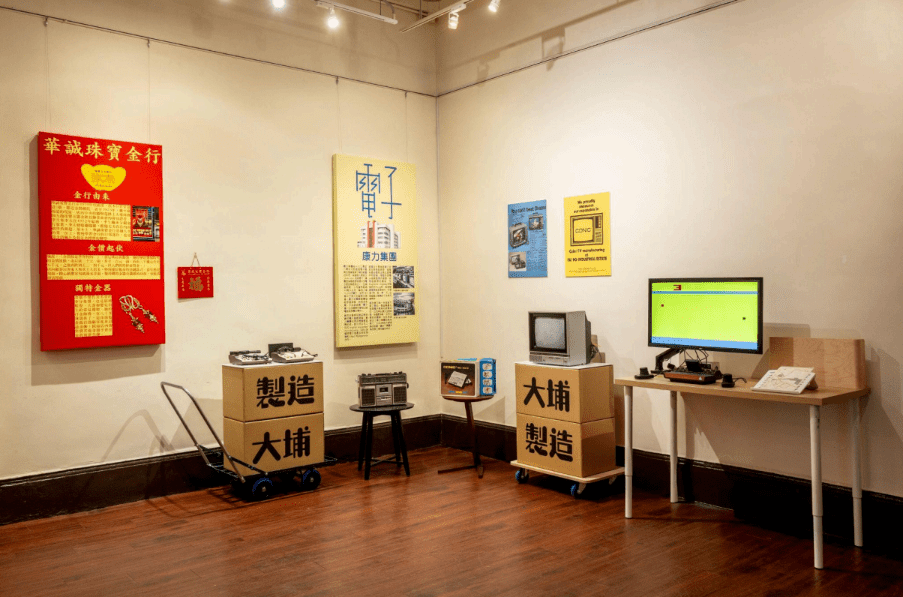
This history is brought back to life with Hong Kong Resource Centre for Heritage’s latest exhibition, Industrial Wonders of Tai Po People.
Funded by the Hong Kong Jockey Club Charitable Trust, the exhibition offers visitors a rare glimpse into the area's remarkable manufacturing past. From luxury carpets and fashion gloves to gaming devices, it showcases how this community once hummed with top-notch production that reached global markets.
"In the process [of discovering Tai Po's community and history], we came to conversations with elderly alumni of Tai Po Government Primary School, now in their 70s and 80s," said Ranae So, the project's senior manager. "They described learning agricultural and woodworking skills at school, which intrigued us to find out why the school would provide these courses."
It turns out that these programs were deliberately implemented by the Education Department to equip post-war children with employable skills that could help them escape poverty – a strategy that contributed to Tai Po's transformation from an agricultural society to an industrial one.
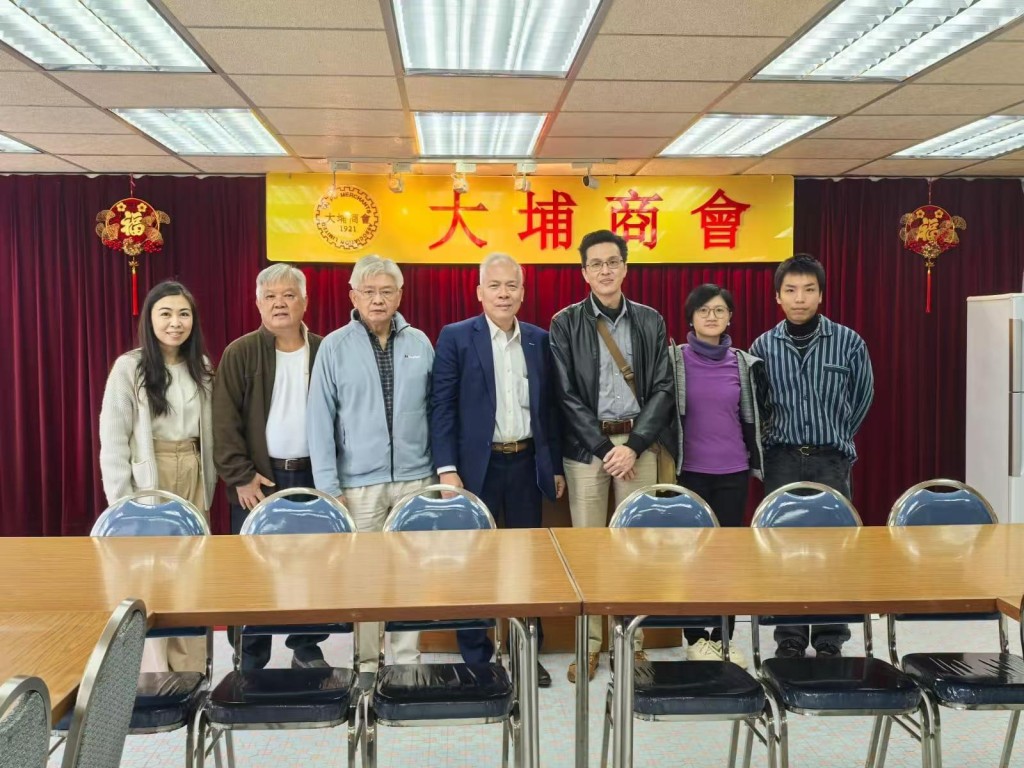
group photo of HKRCH and Tai Po Merchants Association, with Ranae So(first from left) and Timothy Lo(first from right)
“We wanted to understand how Tai Po people in a traditional rural society came into contact with Western materials, such as machinery, assembly line production, factory life … and how, through the industrialization process, they gained different personal identities, felt proud of their ‘factory worker’ identity, and rewrote their personal destinies.”
The exhibition, divided into three sections, documents Tai Po's commercial development, industrial diversity, and community identity.
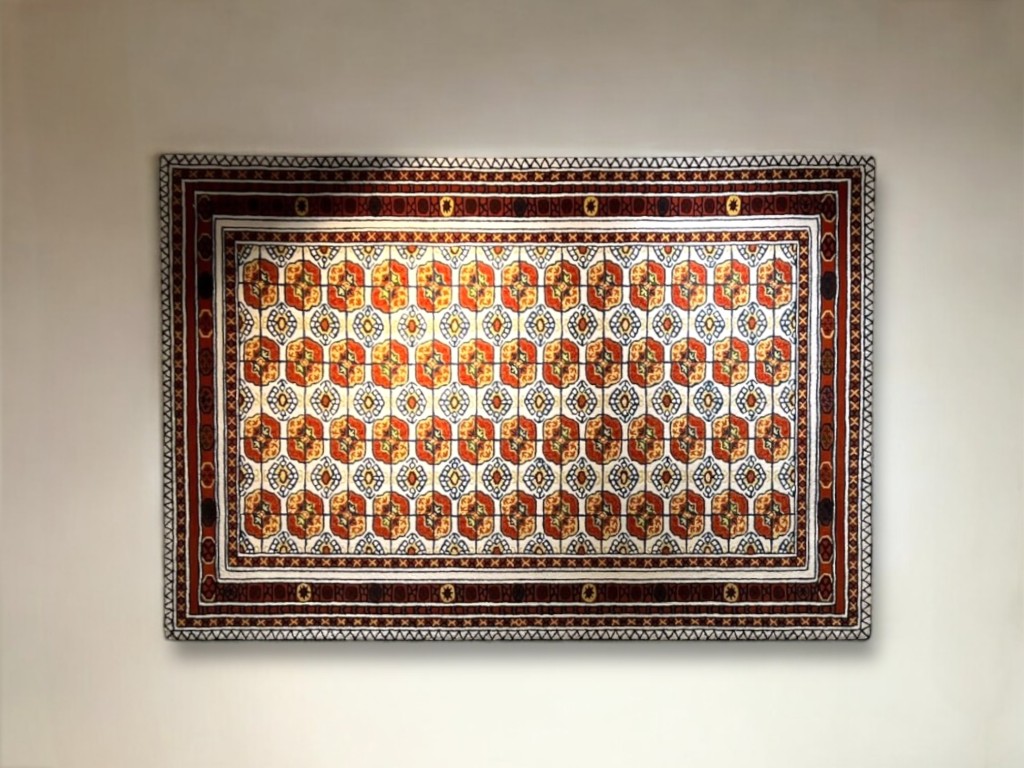
One of its highlights is a replica of the famous Persian-style carpet presented as a wedding gift to Britain's Princess Alexandra in 1963. The exquisite piece was created by Taiping Carpets, a company famous for its world-class carpet manufacturing skills, which back then was located in Tai Po.
Replica of the carpet provided by Taiping Carpets
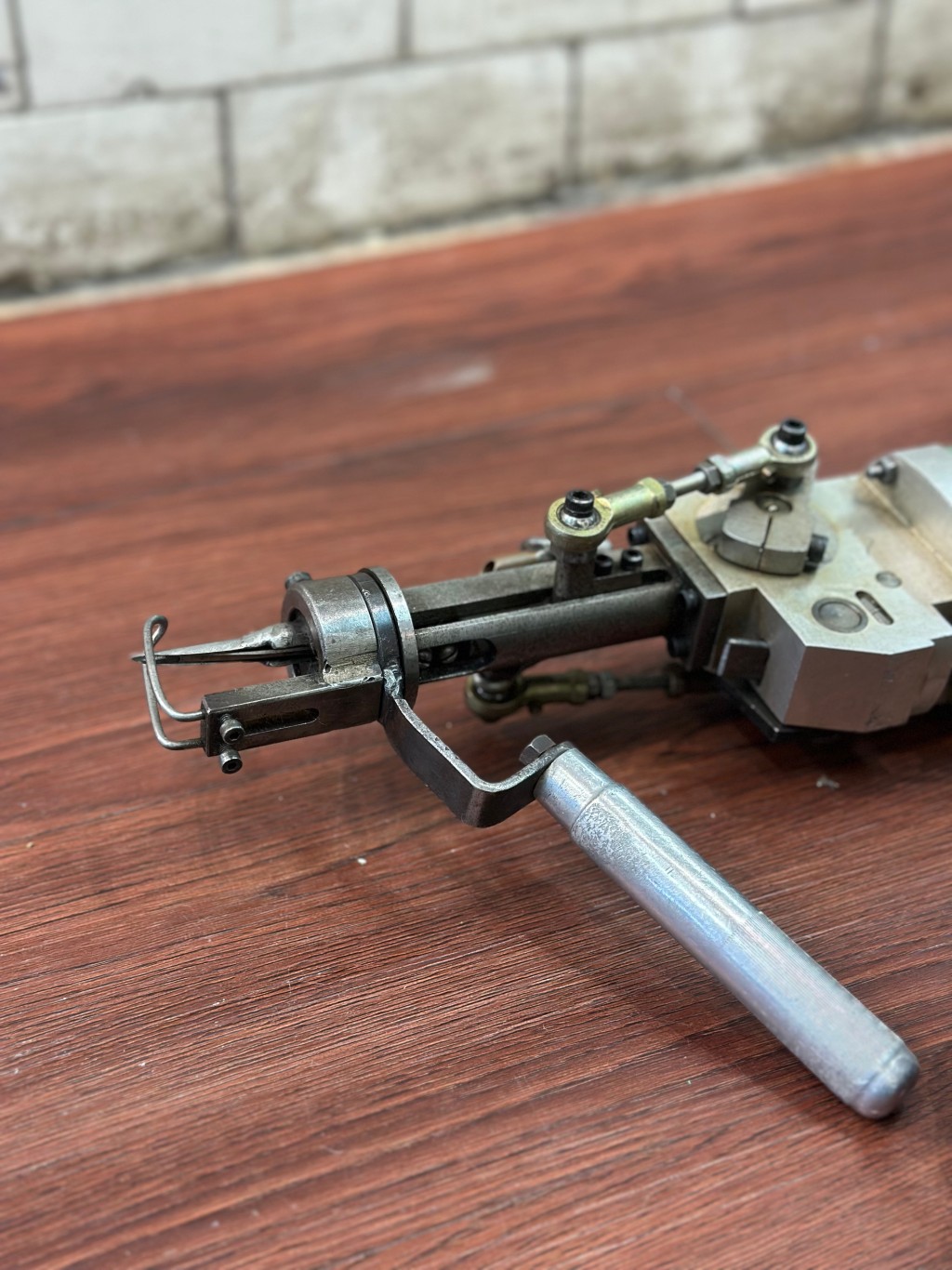
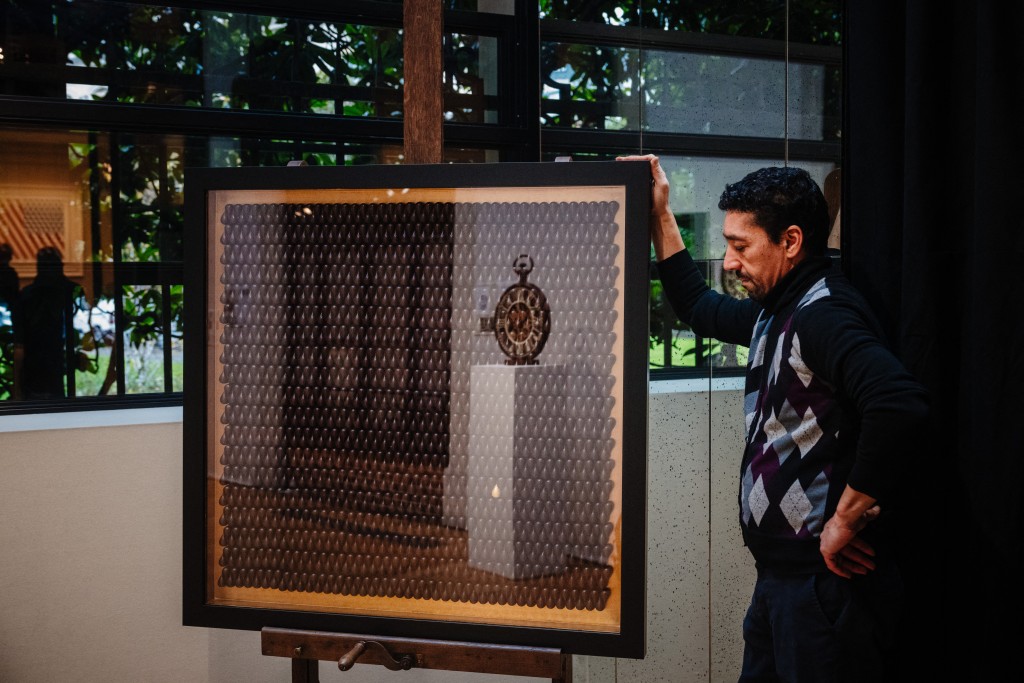
The exhibition also showcases the world’s first tufting gun, invented by engineer Anthony Yeh, the company's founder.
The world's first tufting gun
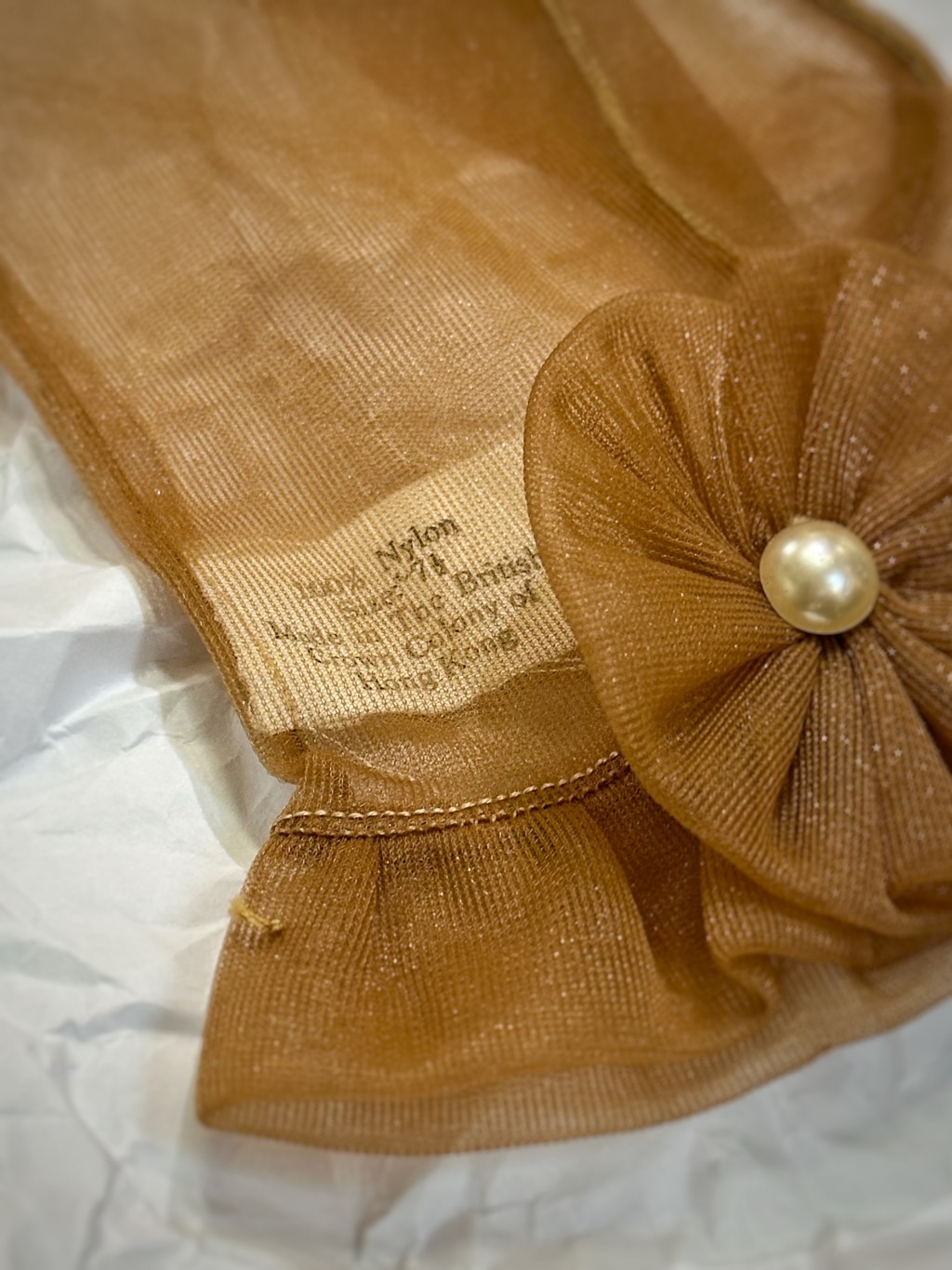
On a closer look, the exhibition reveals fascinating Cold War dynamics of the times, through a few curious details. In one instance, a label that reads "Made in British Crown Colony of Hong Kong" could be found on a pair of fashion gloves on display.
"During the 1950s-60s Cold War, American trade embargoes banned Chinese products," explained senior project officer Timothy Lo. "By labeling products as from the 'British Crown Colony,' manufacturers in Hong Kong could circumvent these embargoes, as their goods were technically classified as British products rather than Chinese, opening access to Western markets."
A pair of fashion gloves with the label Made in British Crown Colony of Hong Kong
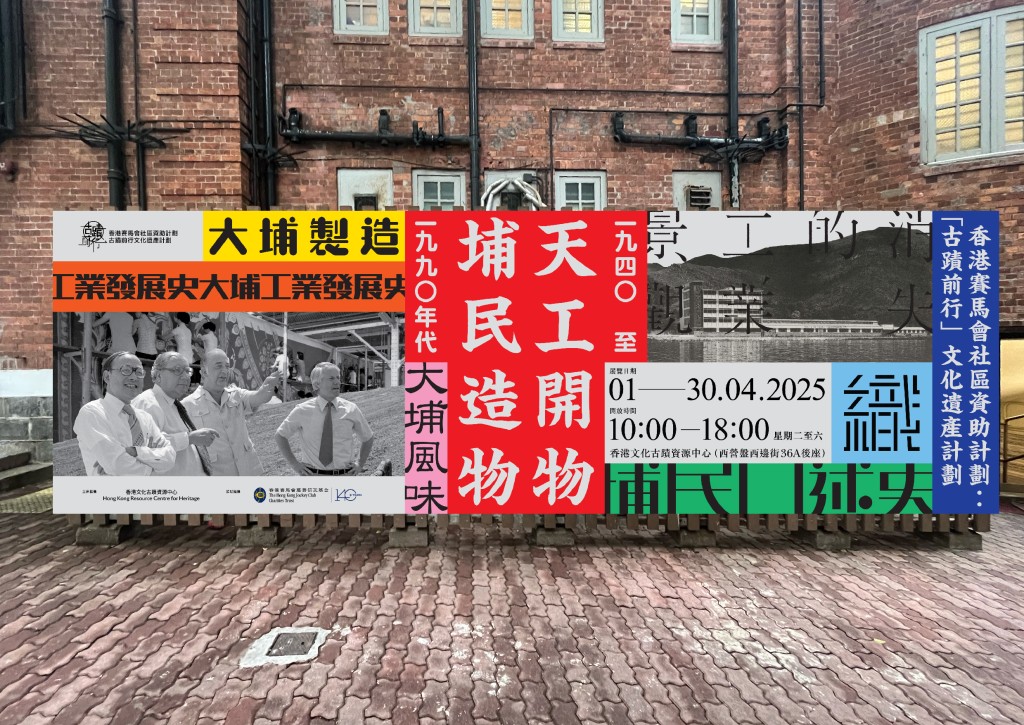
The exhibition features a handful of photo-friendly spots. These include a "Tai Po Flavors" store showcasing local culinary specialties from e-fu noodle boxes to Carlsberg beer, a no-coin-needed "Pong" arcade interactive zone, and a giant photo wall designed by the exhibition’s design team, What.
The photo wall outside of HKRCH
Lo pointed out how the exhibition fills critical gaps in Hong Kong's industrial narrative.
"When we talk about the Lion Rock Spirit of Hong Kong, discussions often focus on Kowloon or Hong Kong Island, overlooking New Territories' contributions. Through documenting Tai Po's vanished post-war industrial heritage, we're providing a more balanced historical record," Lo said.
"There are indeed a lot of stories waiting to be uncovered in every district of Hong Kong … If we don't document them, they might disappear through historical development."
Industrial Wonders of Tai Po People is on show at Hong Kong Resource Centre for Heritage in Sai Ying Pun until April 30.
(Disu Dang)