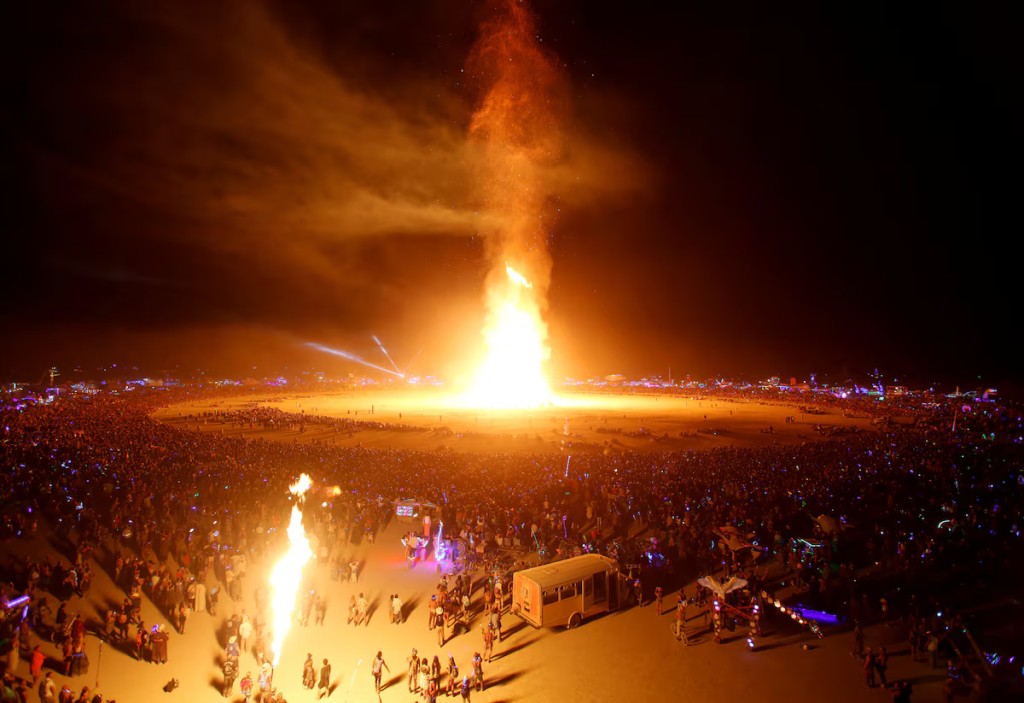
The annual Burning Man festival in the United States, dubbed "the world's craziest festival," has been marred by three deaths this year, the causes of which remain unclear, as reported by East Week magazine, a sister publication of The Standard.
Characterized by the ritualistic burning of a giant wooden effigy, alongside group sex tents and a variety of art and communal activities, this 40-year-old festival has developed into an annual congregation of artists, hippies and even Silicon Valley billionaires where use of drugs and alcohol is commonplace.
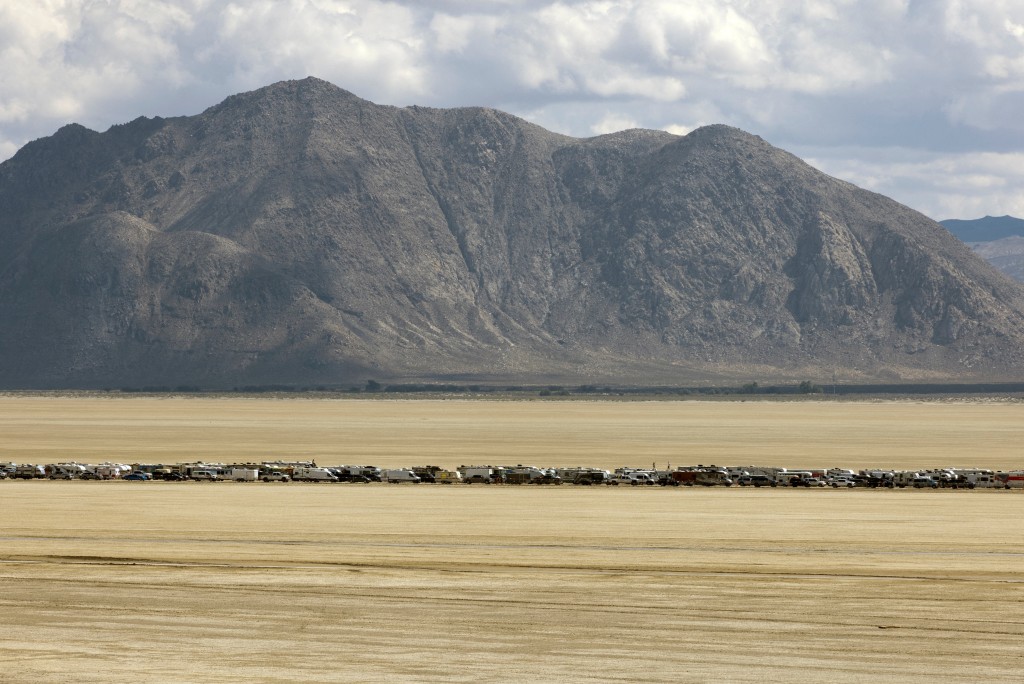
Every year from late August to early September, people throng to the Black Rock Desert in Nevada for the Burning Man Festival. This year's nine-day event attracted 70,000 participants, three of whom died with yet unknown causes.
The first fatality occurred on September 3 when Sampson Tshombe, a man in his 50s, was found unconscious on a road within the festival site. CPR was performed to no avail and he was pronounced dead by the on-site doctor.
The next day, Armando Ramirez, 51, underwent a "serious medical emergency" at the event site. He died in an ambulance en route to a hospital. On September 5, 60-year-old Craig Mann was found dead in a trailer he shared with his partner.
Burning Man is marked by a history of fatal accidents, averaging one death per year. Last year, someone was stabbed in the neck inside a tent, and there were previous cases of deaths from drug overdose.
Jerry Allen, sheriff and coroner of Pershing County, Nevada said this year's high death toll is highly unusual. Although initial findings on the three deceased showed no signs of external interference, the medical examiner's office decided to conduct autopsies and toxicology tests to clarify the exact causes of death.
The annual event takes place in Black Rock Desert in Nevada. PHOTO BY REUTERS
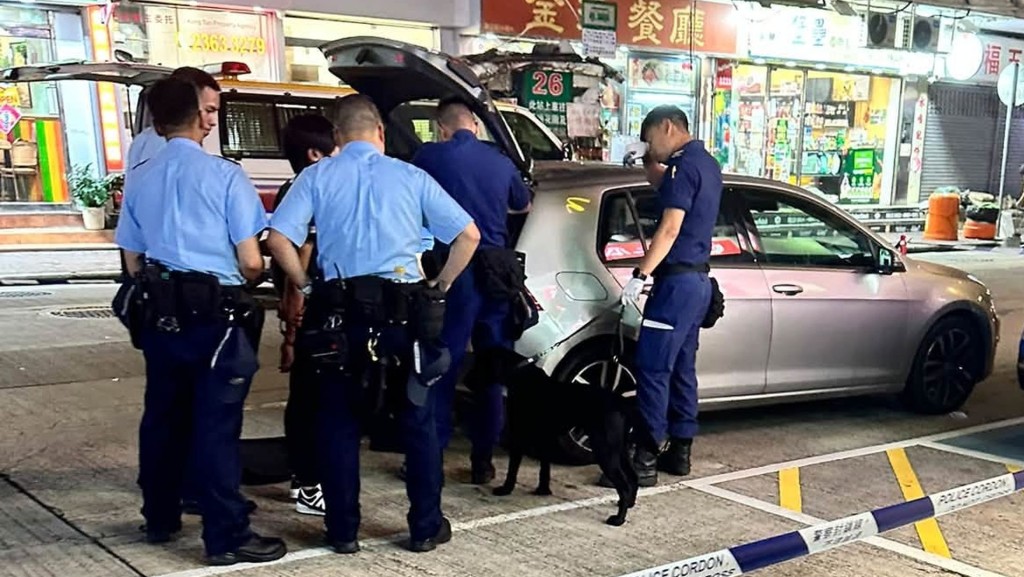
Drug use is rampant at Burning Man, with legal marijuana alongside various illegal drugs found at the site. At this year's event, at least 34 people were arrested on suspicion of drug sales and trafficking, and reports were received of spiked drinks causing discomfort to participants.
Despite being a breeding ground for crime, the festival is highly regarded by the Nevada state government for its associated economic benefits. With tickets priced between US$600 (HK$4,680) and US$3,000 per person, the event organizers pay over US$3 million annually to the state – a valuable income stream considering the lack of residence around the desert area – and 3 percent of gross revenue to the federal Bureau of Land Management.
Burning Man originated in 1986 when Larry Harvey and Jerry James created a 2.7-meter-tall wooden effigy and burned it on a San Francisco beach to commemorate the end of a relationship, attracting a crowd of curious onlookers. Later, the event was moved to the desert and gradually took on a broader program beyond the burning ritual.
Over a thousand camps are usually erected at the venue, each hosting activities ranging from musical performances, talks, craft workshops, yoga, and meditations to events catering to wilder desires.
The most infamous of them all is the "Orgy Dome," an adult-only tent equipped with mattresses, cushions and the like. It is divided into two areas: "Just Us," a private space for couples; and "Open to More," for those wishing to engage in group sex.
Festival-goers are often seen wearing body paint instead of clothes, while drug parties involving psychedelic drugs and marijuana unfold at multiple campsites.
Several tech tycoons have been spotted at the event in recent years. Elon Musk, the world's richest man, attends almost every year. Other notable figures include Mark Zuckerberg, founder and chief executive of Meta, Jeff Bezos of Amazon, and actor Will Smith.