

Read More
Hungarian writer Krasznahorkai László, awarded the 2025 Nobel Prize in Literature for his postmodern and dystopian works, held deep fascination for Chinese culture according to his friend and translator.
ADVERTISEMENT
SCROLL TO CONTINUE WITH CONTENT
Yu Zemin, Chinese translator of Krasznahorkai's "Satan's Tango," revealed the author frequently consumed Chinese food, listened to Beijing opera, and consistently referenced China in conversations. The writer particularly valued ancient Chinese philosophy, repeatedly studying "Tao Te Ching" which he considered "ultimate wisdom."
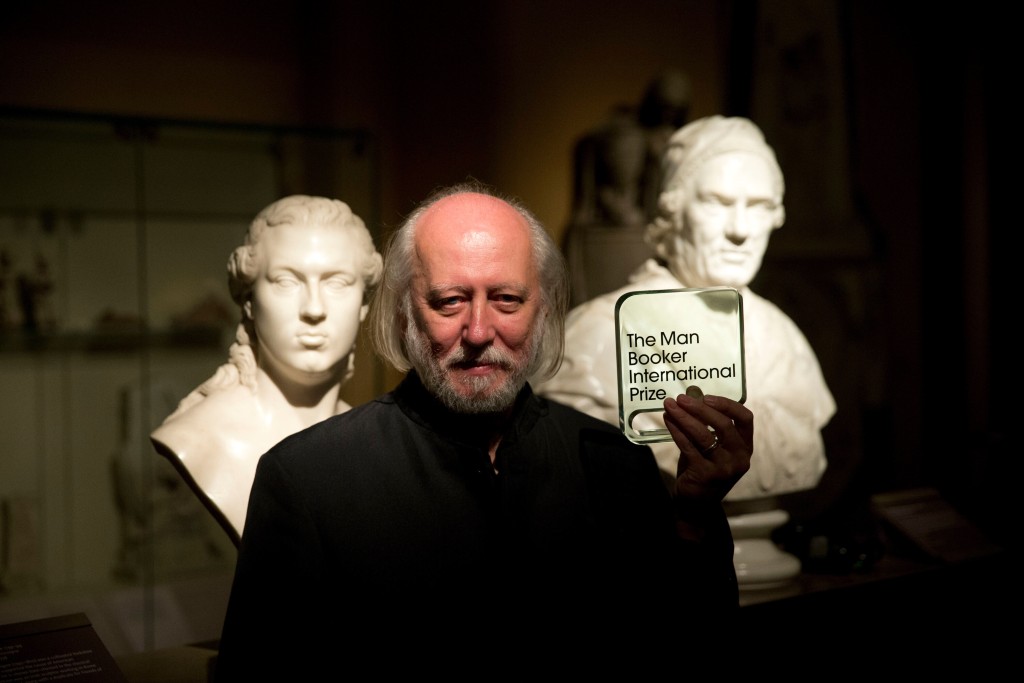
Hungarian writer Krasznahorkai has won the 2024 Nobel Prize in Literature. (Source: AP)
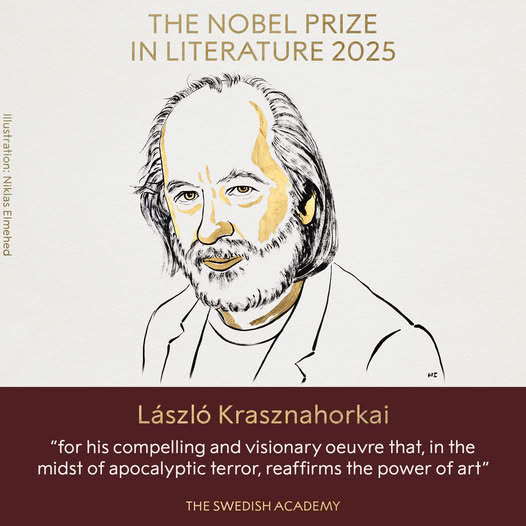
This year's Nobel Prize in Literature has been awarded to Hungarian writer László Krasznahorkai. (Source: Facebook: Nobel Prize)
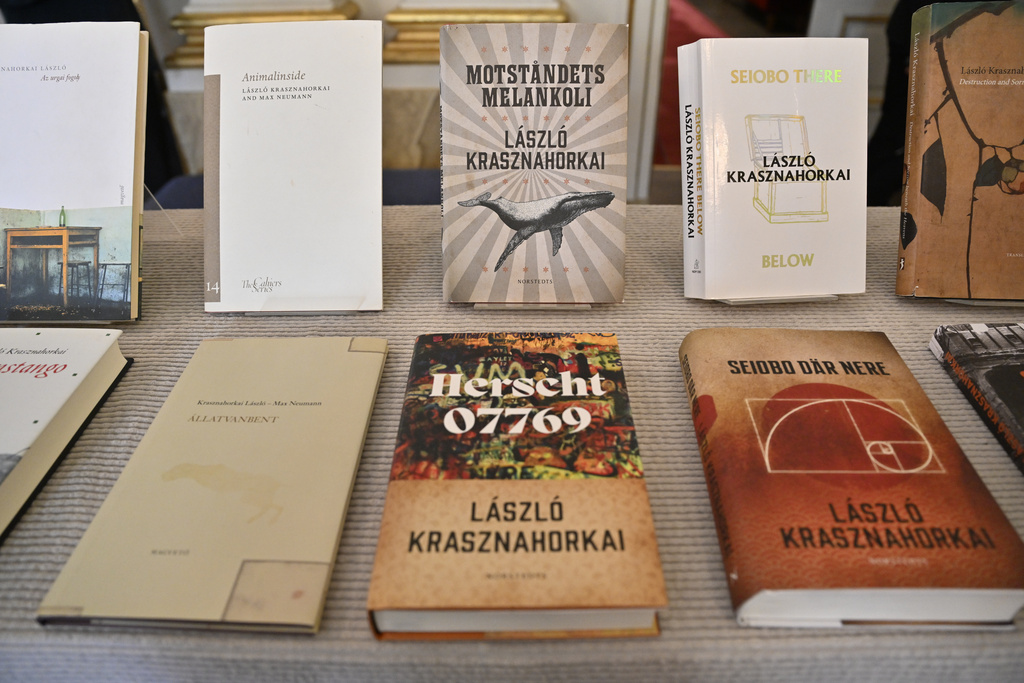
Works by Hungarian writer László Krasznahorkai. (Source: AP)
In May 1998, Krasznahorkai fulfilled his dream of tracing Tang poet Li Bai's journey across nearly ten Chinese cultural cities accompanied by Yu and interpreters. The experience profoundly moved him, eventually inspiring him to feature Yu in his writings.