Read More










(Video) Girl slapped at Kwun Tong’s apm mall, two women arrested
26-08-2026 19:39 HKT

Kwun Tong mall playground squabbles land three women in custody
27-08-2026 13:59 HKT
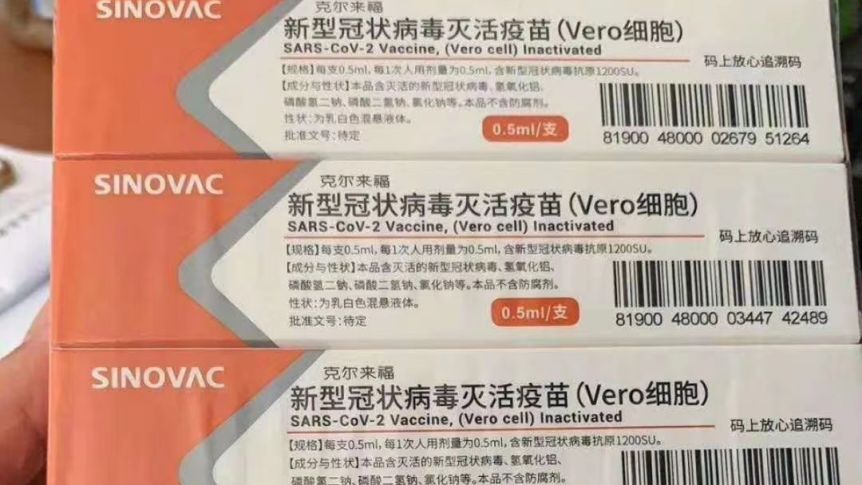
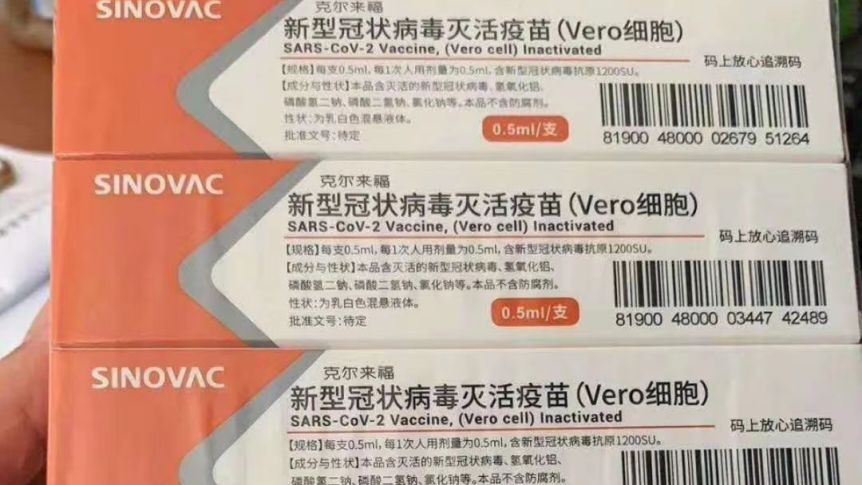
Chinese authorities have warned against the illegal sale on social media platform WeChat of products claiming to be vaccines undergoing phase 3 trials.
Sellers had advertised the products — developed by Chinese state-owned enterprises Sinovac and Sinopharm — at 1,500 yuna (A$300) for three doses and said it could be exported overseas in two weeks, Bang Xiao reports for ABC News.
The ads sparked widespread criticism on Weibo, another Chinese social media app, and comments with variations of the hashtag SellingVaccinesOnWeChatIsIllegal were viewed more than 20 million times.
"Using vaccine scams to make money is tantamount to murdering," a user with the nickname Huangfusuanxiaotou wrote on Weibo.
"Such vicious sellers should be charged, shamed and seriously punished," wrote another.
Sinovac and Sinopharm both warned the public against the "scam", though they didn't clarify if the products sold on WeChat were authentic.
It's not clear how many — if any — of the products were sold and the ads have since been removed from the Chinese social media app.
Asked what measures Australia had in place to prevent the importation of illegal vaccines, an Australian Border Force spokesperson told the ABC that officers used various forms of resources and technology to detect items, including x-ray, detector dogs and intelligence.
"People should not assume purchases made online are invisible to authorities."
However, there is concern that temporary residents may be driven to continue trying to buy unproven coronavirus medications online if they are excluded from the Australian Government's promise to offer a vaccine to all Australian citizens.
The ABF said it had seized nearly 70 kilograms of ephedra — a well-known plant species often used to manufacture the traditional Chinese medicine Lianhua Qingwen — since the start of the COVID-19 pandemic.
Chinese health authorities have claimed the substance was effective at easing symptoms of the virus.
However, it is illegal to import the plant as it is a precursor for ephedrine, a critical ingredient used to make the drug methamphetamine.
In Australia, vaccines are schedule 4 medicines which should be prescription only, according to the Therapeutic Goods Act 1989.
Under the act, the importation, manufacture, supply and export of unapproved vaccines are all considered criminal offences.
Advertising a product to consumers as a vaccine is also strictly prohibited. Only government vaccination campaigns or the promotion of vaccination services are permitted, as long as they comply with specific requirements.
"The TGA (Therapeutic Goods Administration) rigorously assesses vaccines for safety, quality and effectiveness before they can be legally supplied in Australia," a spokesperson for the TGA told the ABC.
"These are strict requirements because vaccines are routinely given to healthy people in large numbers."
Lisa Nissen, professor and head of the School of Clinical Sciences at the Queensland University of Technology, said this process ensured Australians the country's vaccine programs were safe.
She stressed that ordering vaccines online was very dangerous, as customers would have no way of knowing whether the product they received was what they actually ordered.
"It could be contaminated with poisonous substances, pesticides, heavy metals; it could be brick dust … it could be washing powder," Professor Nissen said, adding that postal services wouldn't meet the temperature requirements needed to transport vaccines.
"So you could be administering something that's completely ineffective and dangerous by the time they've got here."