Read More
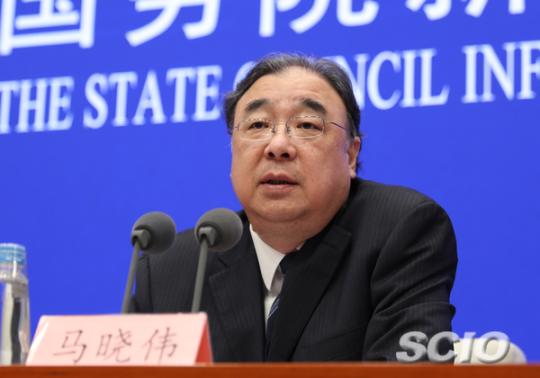
Documents obtained by The Associated Press show that the head of China’s National Health Commission, Ma Xiaowei, laid out a grim assessment of the coronavirus situation on January 14 in a confidential teleconference with provincial health officials.
ADVERTISEMENT
SCROLL TO CONTINUE WITH CONTENT
A memo states that the teleconference was held to convey instructions on the coronavirus from President Xi Jinping, Premier Li Keqiang and Vice Premier Sun Chunlan, but does not specify what those instructions were.
“The epidemic situation is still severe and complex, the most severe challenge since SARS in 2003, and is likely to develop into a major public health event,” the memo cites Ma as saying.
The National Health Commission is the top medical agency in the country.
In a faxed statement, the commission said it had organized the teleconference because of the case reported in Thailand and the possibility of the virus spreading during New Year travel. It added that China had published information on the outbreak in an “open, transparent, responsible and timely manner,” in accordance with “important instructions” repeatedly issued by President Xi Jinping.
The documents come from an anonymous source in the medical field who did not want to be named for fear of retribution.
The AP confirmed the contents with two other sources in public health familiar with the teleconference. Some of the memo’s contents also appeared in a public notice about the teleconference, stripped of key details and published in February.
Under a section titled “sober understanding of the situation,” the memo said that “clustered cases suggest that human-to-human transmission is possible.” It singled out the case in Thailand, saying that the situation had “changed significantly” because of the possible spread of the virus abroad.
“With the coming of the Spring Festival, many people will be traveling, and the risk of transmission and spread is high,” the memo continued. “All localities must prepare for and respond to a pandemic.”
In the memo, Ma demanded officials unite around Xi and made clear that political considerations and social stability were key priorities during the long lead-up to China’s two biggest political meetings of the year in March. While the documents do not spell out why Chinese leaders waited six days to make their concerns public, the meetings may be one reason.
“The imperatives for social stability, for not rocking the boat before these important Party congresses is pretty strong,” says Daniel Mattingly, a scholar of Chinese politics at Yale. “My guess is, they wanted to let it play out a little more and see what happened.”
In response to the teleconference, the Center for Disease Control and Prevention in Beijing initiated the highest-level emergency response internally, level one, on January 15. It assigned top CDC leaders to 14 working groups tasked with getting funds, training health workers, collecting data, doing field investigations and supervising laboratories, an internal CDC notice shows. The memo directed Hubei province, where Wuhan is located, to begin temperature checks at airports, bus and train stations, and cut down on large public gatherings.
The National Health Commission also distributed a 63-page set of instructions to provincial health officials, obtained by the AP.
The instructions ordered health officials nationwide to identify suspected cases, hospitals to open fever clinics, and doctors and nurses to don protective gear. They were marked “internal” — “not to be spread on the internet,” “not to be publicly disclosed.”
In public, however, officials continued to downplay the threat, pointing to the 41 cases public at the time.
“We have reached the latest understanding that the risk of sustained human-to-human transmission is low,” Li Qun, the head of the China CDC’s emergency center, told Chinese state television on Jan. 15. That was the same day Li was appointed leader of a group preparing emergency plans for the level one response, a CDC notice shows.
On January 20, President Xi issued his first public comments on the virus, saying the outbreak “must be taken seriously” and every possible measure pursued. A leading Chinese epidemiologist, Zhong Nanshan, announced for the first time that the virus was transmissible from person to person on national television.
If the public had been warned a week earlier to take actions such as social distancing, mask wearing and travel restrictions, cases could have been cut by up to two-thirds, one paper later found. An earlier warning could have saved lives, said Zhang, the doctor in Los Angeles.
However, other health experts said the government took decisive action in private given the information available to them.
“They may not have said the right thing, but they were doing the right thing,” said Ray Yip, the retired founding head of the U.S. Centers for Disease Control’s office in China. “On the 20th, they sounded the alarm for the whole country, which is not an unreasonable delay.”
If health officials raise the alarm prematurely, it can damage their credibility — “like crying wolf” —and cripple their ability to mobilize the public, said Benjamin Cowley, an epidemiologist at the University of Hong Kong.
The delay may support accusations by President Donald Trump that the Chinese government’s secrecy held back the world’s response to the virus. However, even the public announcement on Jan. 20 left the U.S. nearly two months to prepare for the pandemic.
During those months, Trump ignored the warnings of his own staff and dismissed the disease as nothing to worry about, while the government failed to bolster medical supplies and deployed flawed testing kits. Leaders across the world turned a blind eye to the outbreak, with British Prime Minister Boris Johnson calling for a strategy of “herd immunity” — before falling ill himself. Brazilian President Jair Bolsonaro sneered at what he called “a little cold.”-AP
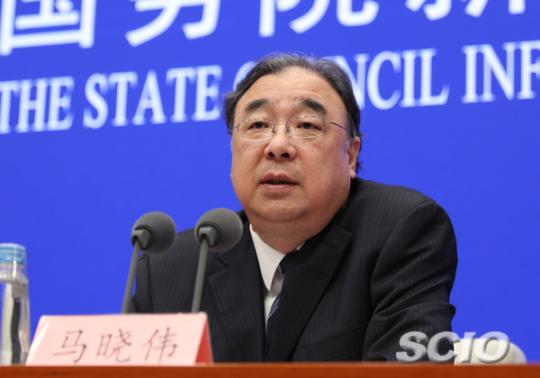
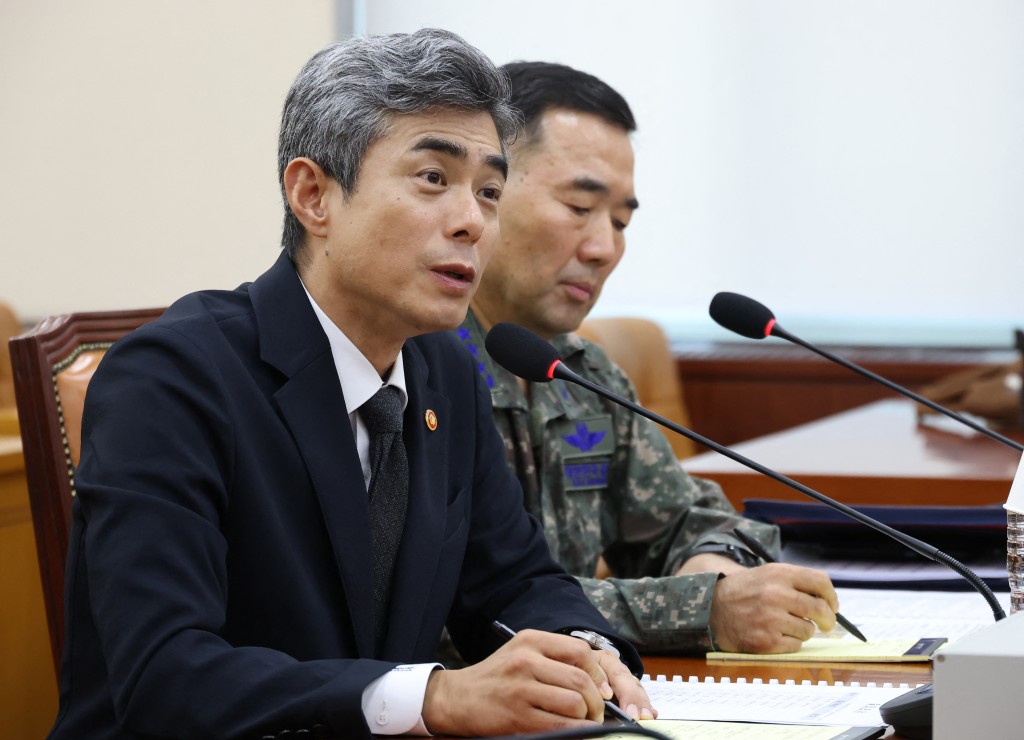
Health Minister Ma Xiaowei made a grim observation on January 14. A memo on January 14, said clustered cases suggest that human-to-human transmission is possible.
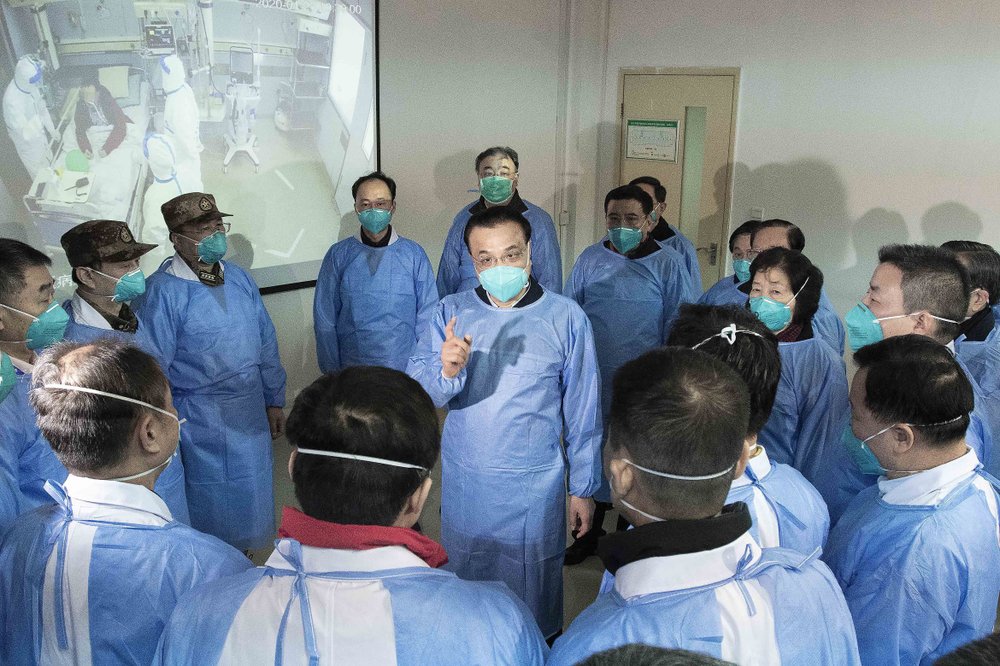
Chinese Premier Li Keqiang, center, speaks with medical workers at Wuhan Jinyintan Hospital in Wuhan in central China's Hubei province on January 27.