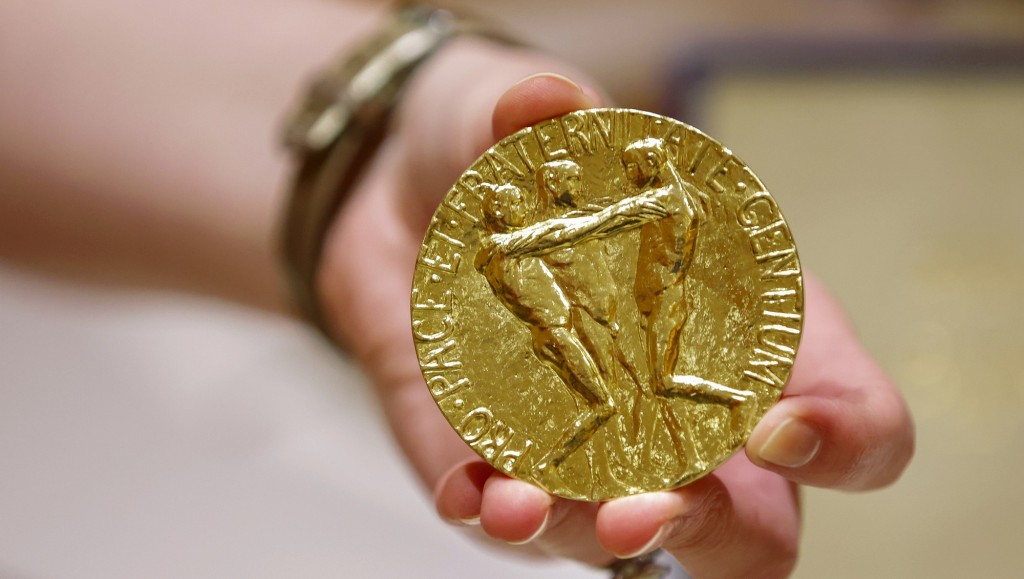
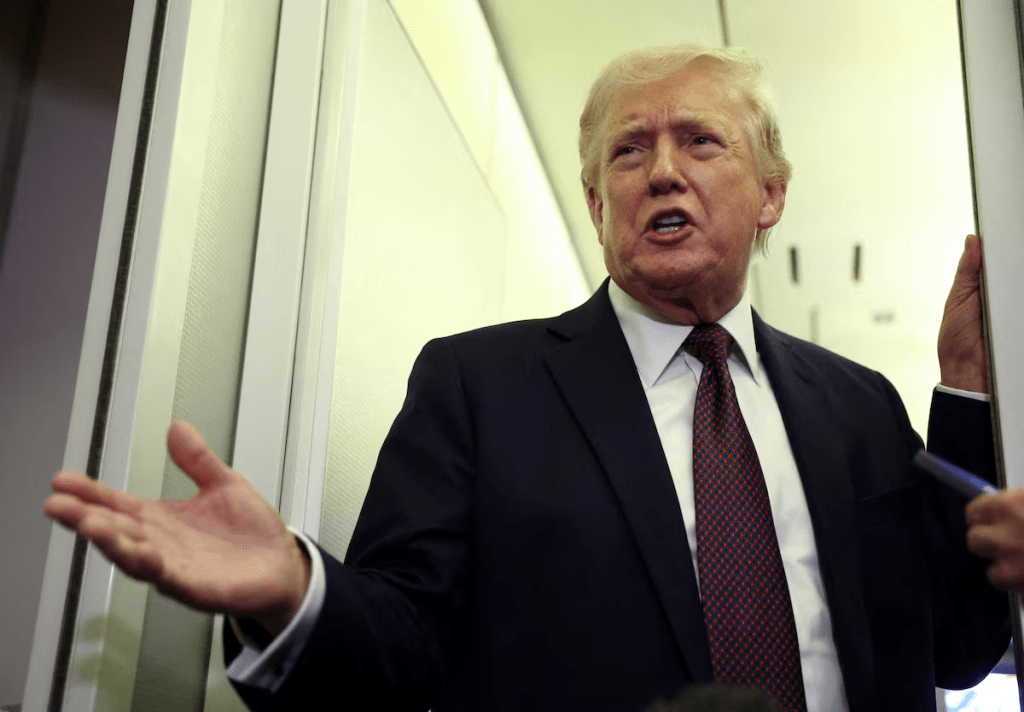
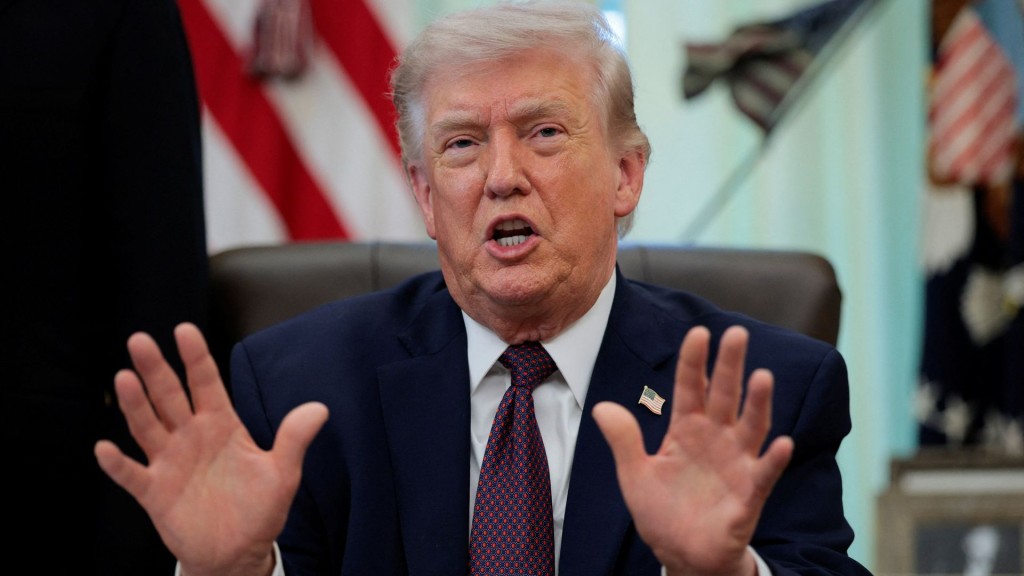
The winner of the 2025 Nobel Peace Prize will be announced on Friday, in a year overshadowed by a months-long campaign by U.S. President Donald Trump to win what is arguably the world's most prestigious award.
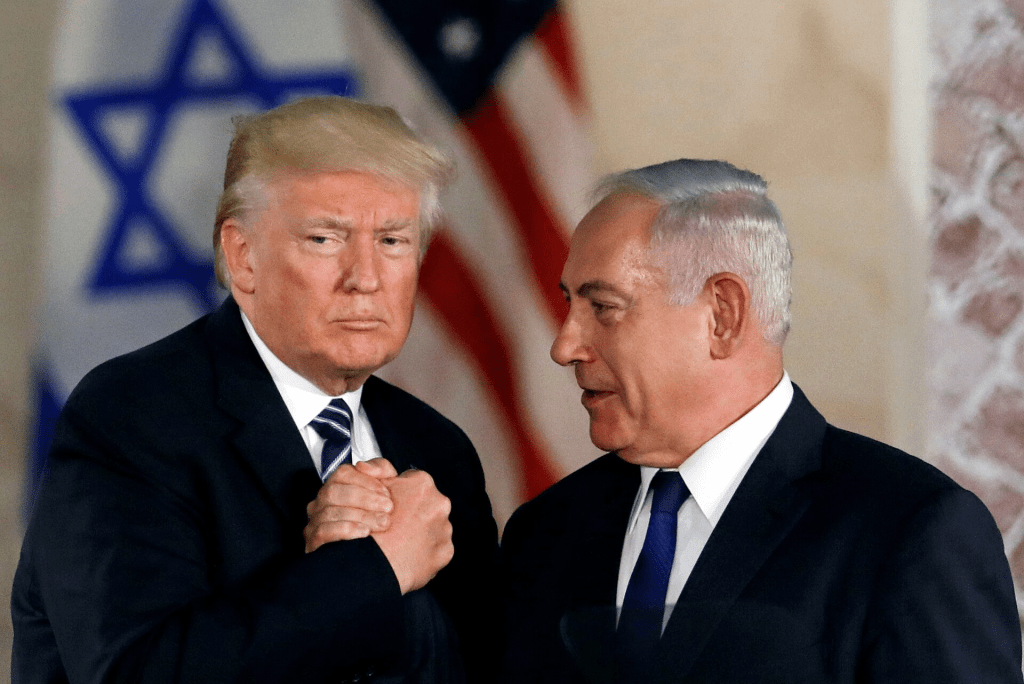
Trump has been outspoken about his desire for a prize won by four of his predecessors - Barack Obama in 2009, Jimmy Carter in 2002, Woodrow Wilson in 1919 and Theodore Roosevelt in 1906. All but Carter won the award while in office, with Obama named laureate less than eight months after taking office - the same position Trump is in now.
But when Joergen Watne Frydnes, the leader of the Norwegian Nobel Committee, steps to the microphone at the Norwegian Nobel Institute in Oslo at 11 a.m. (0900 GMT), experts on the award believe it is extremely unlikely Trump's name will be read out.
GAZA DEAL LIKELY TOO LATE FOR THIS YEAR
To be sure, Trump announced that a ceasefire and hostage deal had been secured between Israel and the Palestinian militant group Hamas on Wednesday, under the first phase of his initiative to end the war in Gaza.
But the committee last met on Monday - before the announcement of the deal. Even if its five members had known about it before making their choice for this year's award, it is unlikely they would have rushed into a decision they usually spend months debating.
Committee Secretary Kristian Berg Harpviken, who participates in all the deliberations of the five-strong panel but does not vote, said the award was not intended for last-minute achievements.
"This is a prize primarily for work done in 2024 and prior years, it's not a prize for the work done in the most recent weeks or months," Harpviken told broadcaster NRK early on Friday.
Experienced Nobel-watchers have said that a Trump win was extremely unlikely, citing what they see as his efforts to dismantle the post-World War Two international world order the Nobel committee cherishes.
Instead, they say the committee may wish to highlight Sudanese volunteer network the Emergency Response Rooms, a U.N. body such as the U.N. refugee agency UNHCR, the U.N. children's agency UNICEF or the International Court of Justice, or an aid organisation such as the Red Cross or Doctors Without Borders.
It could also put the spotlight on journalists, following a year when more media workers than ever before were killed reporting the news, most of them in Gaza. If so, the committee could reward the Committee to Protect Journalists or Reporters Without Borders. And surprises are not unknown.
SPIRIT OF ALFRED NOBEL'S WILL
The foundation the Norwegian Nobel Committee follows as its basis for decisions is the 1895 will of Swedish industrialist Alfred Nobel, which established the Peace Prize alongside those for literature, chemistry, physics and medicine.
Nina Graeger, head of the Peace Research Institute Oslo, said Trump withdrawing the United States from the World Health Organization and the 2015 Paris climate accords, and his trade war with allies, went against the spirit of Nobel's will.
"If you look at Alfred Nobel's will, it emphasizes three areas: one is the achievements regarding peace: brokering a peace deal," she said. "The other is to work and promote disarmament and the third is to promote international cooperation."
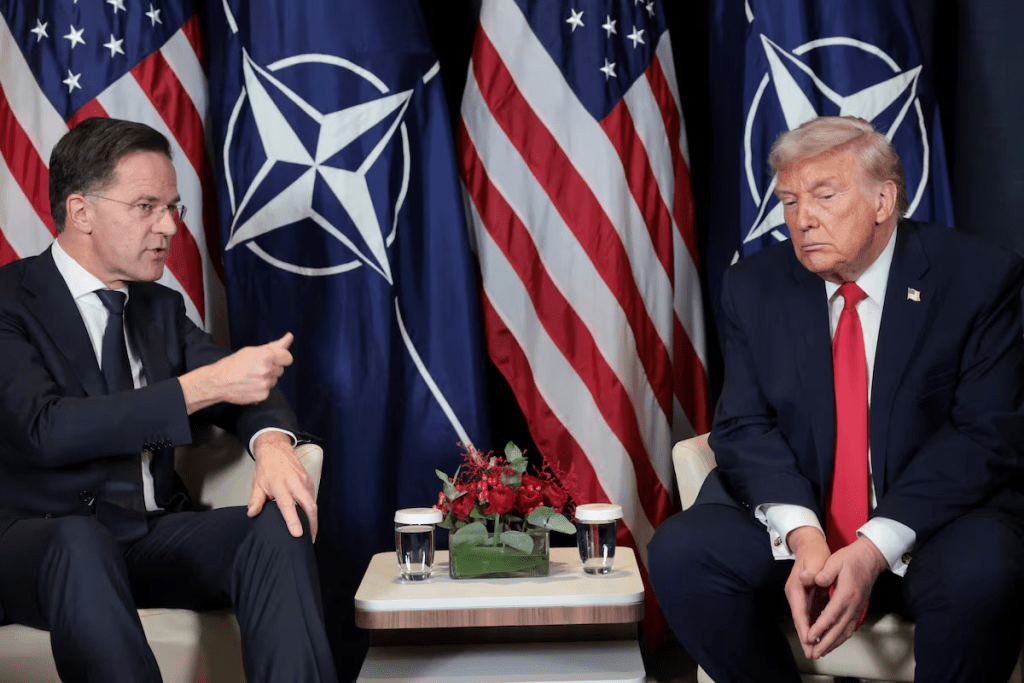
Asle Sveen, a historian of the award, cited Trump's attempted rapprochement with Russian President Vladimir Putin, among other reasons.
"His admiration of dictators counts also against him," Sveen said. "This goes against Alfred Nobel's will."
HOW THE NOBEL COMMITTEE DECIDES
Insiders say the award follows a year-long, deliberative process, during which candidates' strengths and weaknesses are debated by the five-strong committee.
Nominations for the prize must reach the committee by January 31. Committee members can also make nominations but they have to be made by the committee's first meeting in February.
After that, the committee meets about once a month. The decision tends to be taken in August or in September, but it can also be later, as was the case this year.
The Nobel committee says it is used to working under pressure from people, or their supporters, who say they deserve the prize.
"All politicians want to win the Nobel Peace Prize," Frydnes, the Nobel committee leader, told Reuters.
"We hope the ideals underpinned by the Nobel Peace Prize are something that all political leaders should strive for ... We notice the attention, both in the United States and around the world, but outside from that, we work just the same way as we always do."
Reuters