Super Typhoon Ragasa, this year's most powerful storm, is passing north of the Philippines toward southern Chinese waters, generating destructive winds and massive waves. The storm's immense power has drawn attention not only from ground-based disaster prevention agencies but also from observers in space.
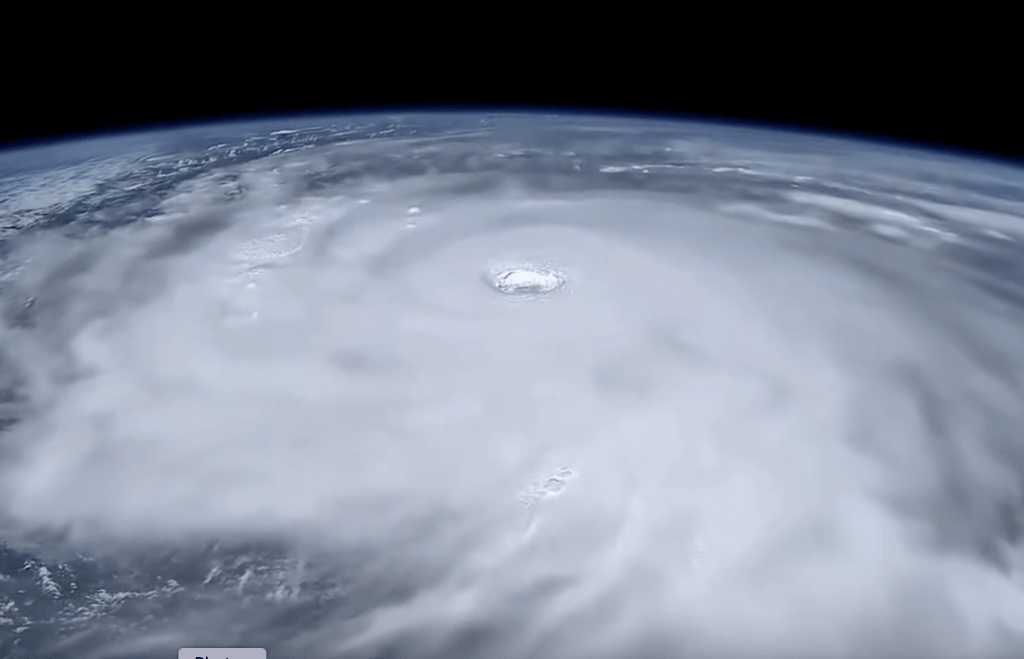
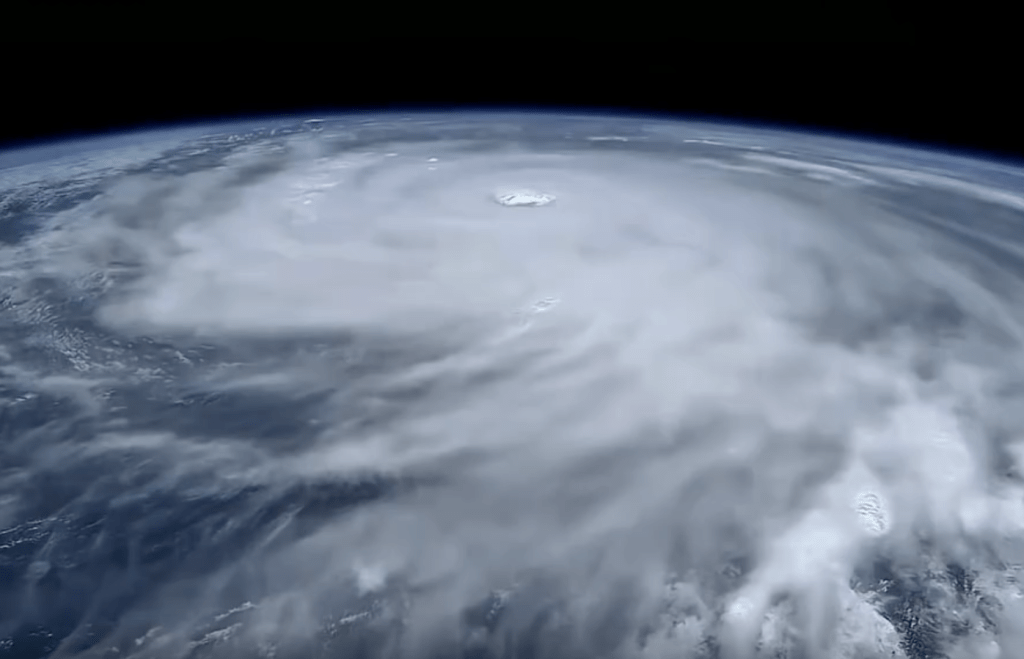
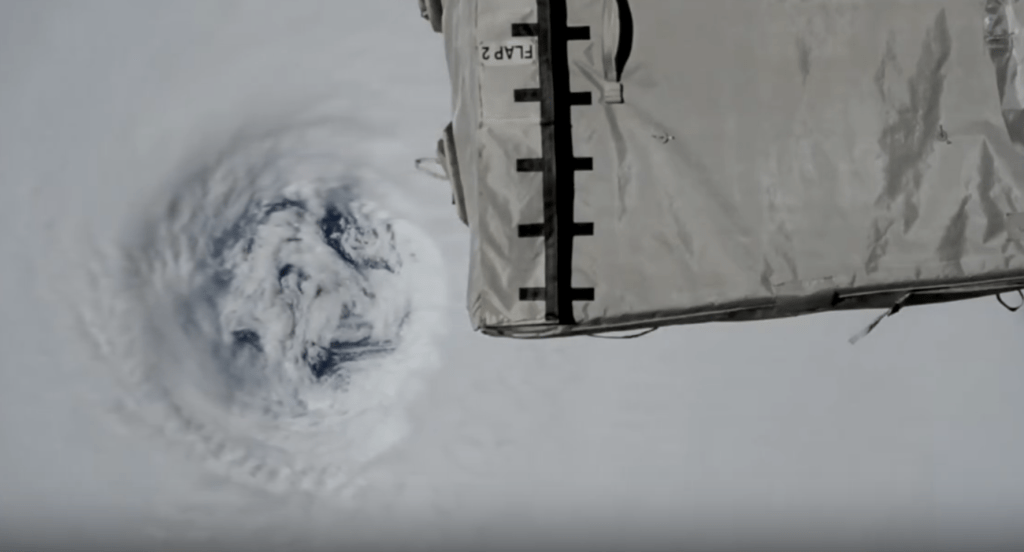
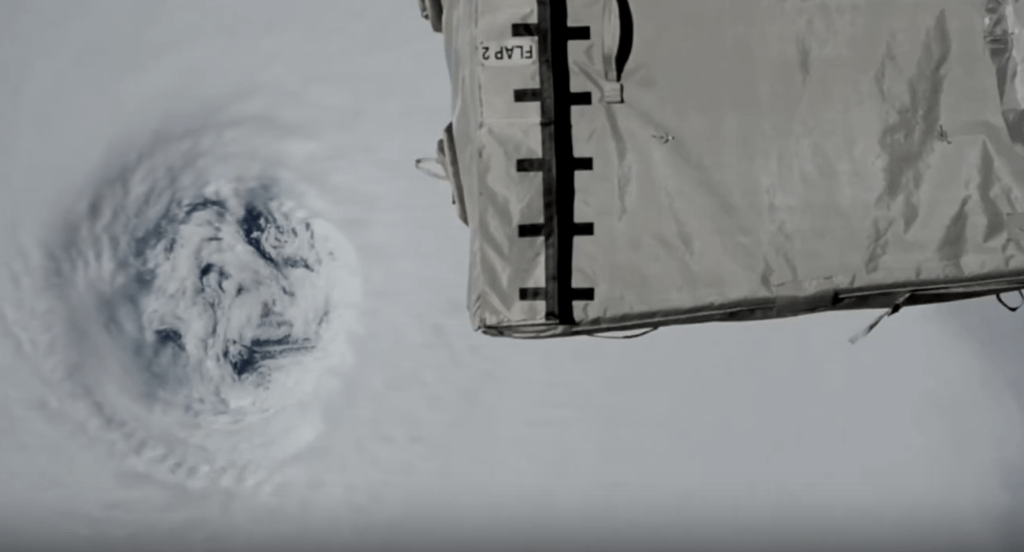
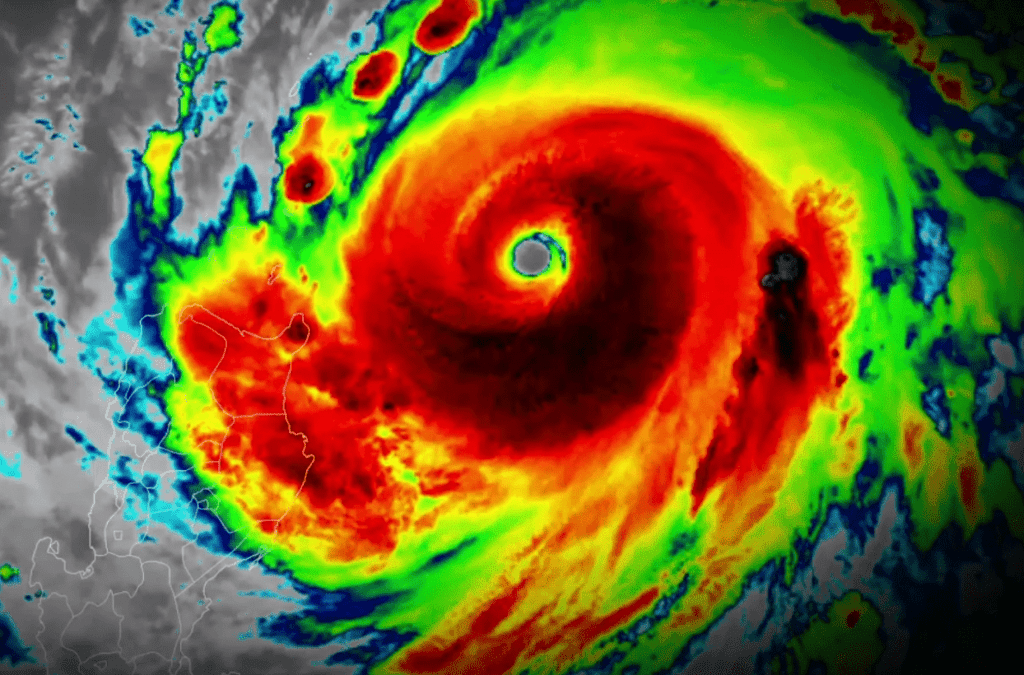
Japanese astronaut Kimiya Yui, currently serving aboard the International Space Station, shared dramatic images of Ragasa viewed from orbit on Sunday. The photos reveal the storm's enormous eye and dense circulation resembling a silver-white vortex, attracting global discussion and admiration.
Ragasa is currently moving with extreme intensity through the Bashi Channel between Taiwan and the Philippines' Batanes islands. Its well-organized structure and symmetrical round eye have earned top ratings from meteorological agencies worldwide: Category 5 hurricane classification from the US National Hurricane Center, "violent typhoon" designation from the Japan Meteorological Agency, and "super typhoon" status from China's National Meteorological Center and Hong Kong Observatory.
Yui posted on X platform: "The ISS happened to fly over Typhoon Ragasa, sending you the latest images. I'm really worried about everyone on the ground." The image shows the massive eye and tight circulation resembling a silver-white vortex, with thick cloud walls appearing like a giant beast from the aerial perspective.
The photo quickly gained global attention, with comments including: "Looking directly down at the typhoon gives a feeling of being swallowed by it," "The eye looks like Earth's navel, inspiring awe," and "This image reminds me how small humans are before nature."
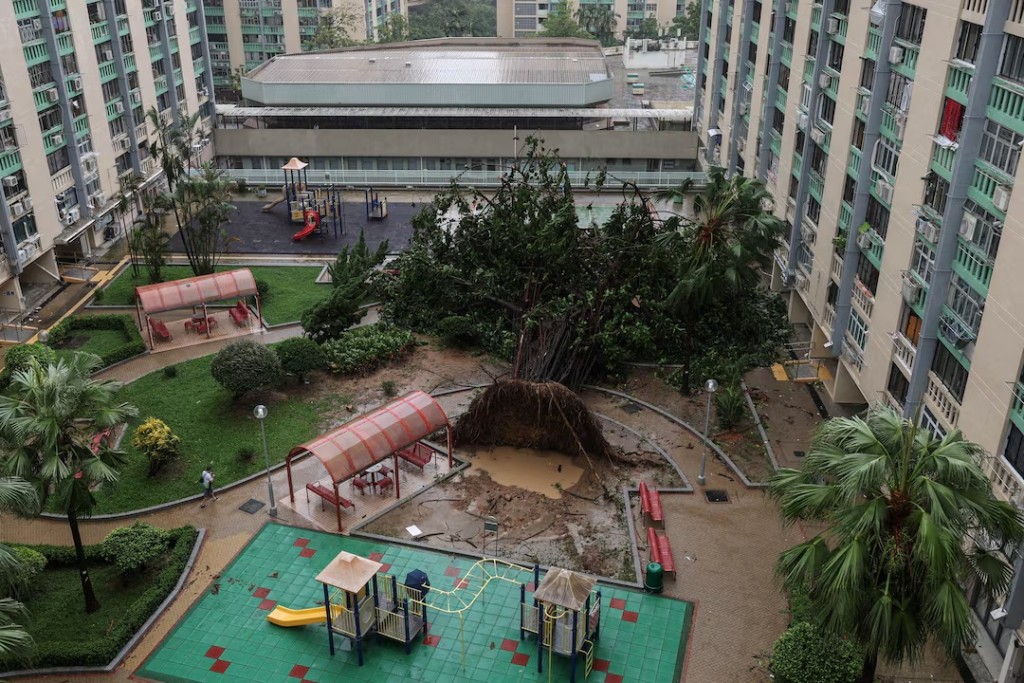
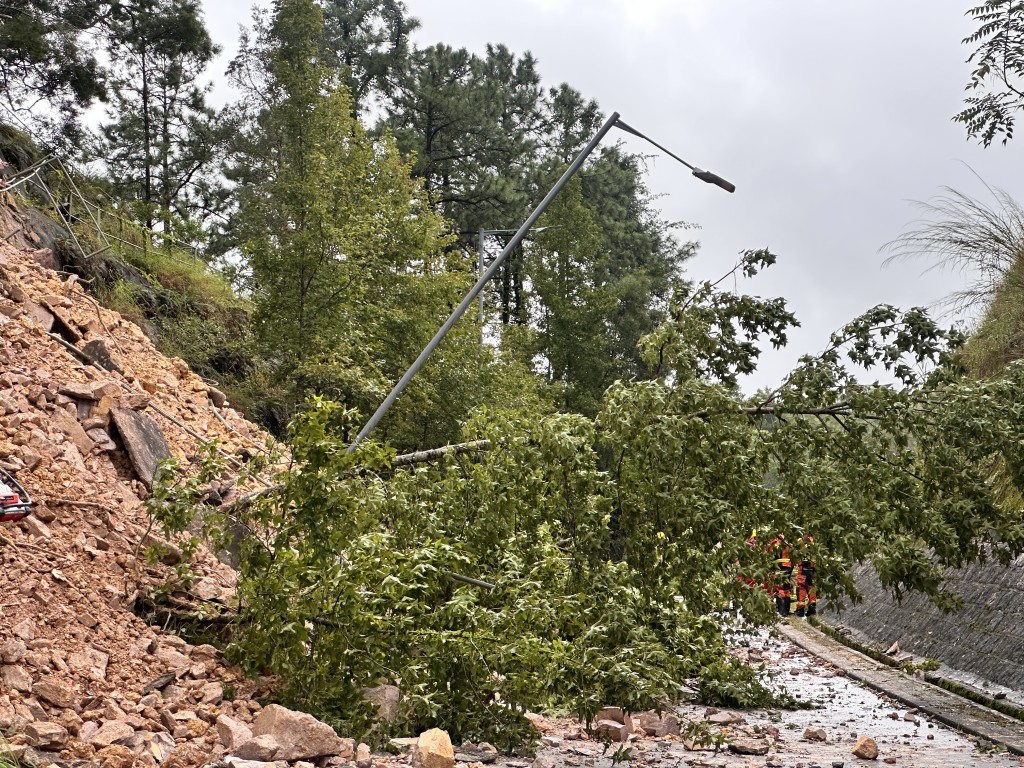
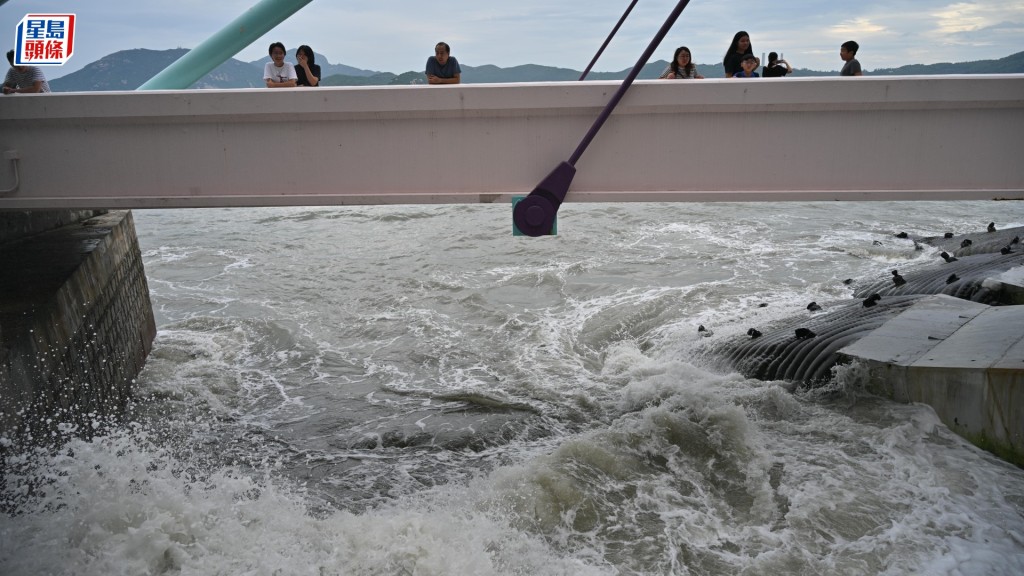
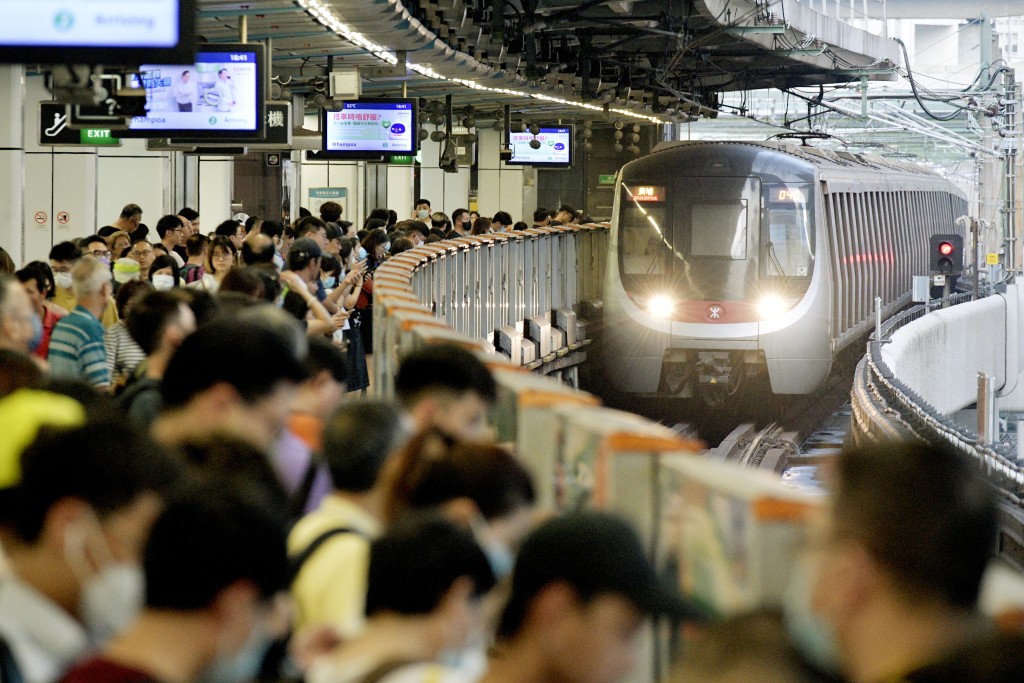
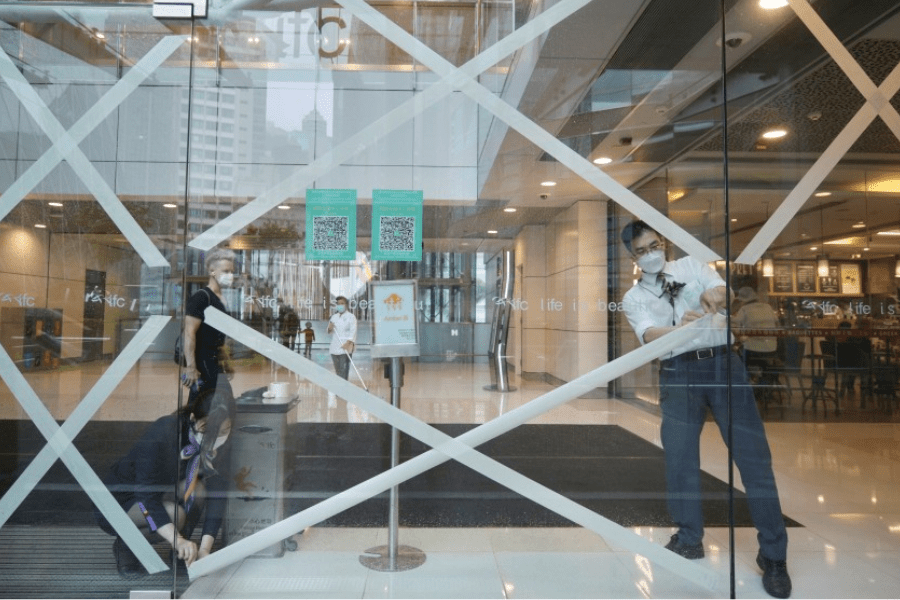
Ragasa, the 18th typhoon this year dubbed "2025's strongest storm," has already caused storm surges and power outages in northern Philippines, triggering landslides that killed at least two people with five others missing. The storm is expected to continue affecting southern China, including Hong Kong.