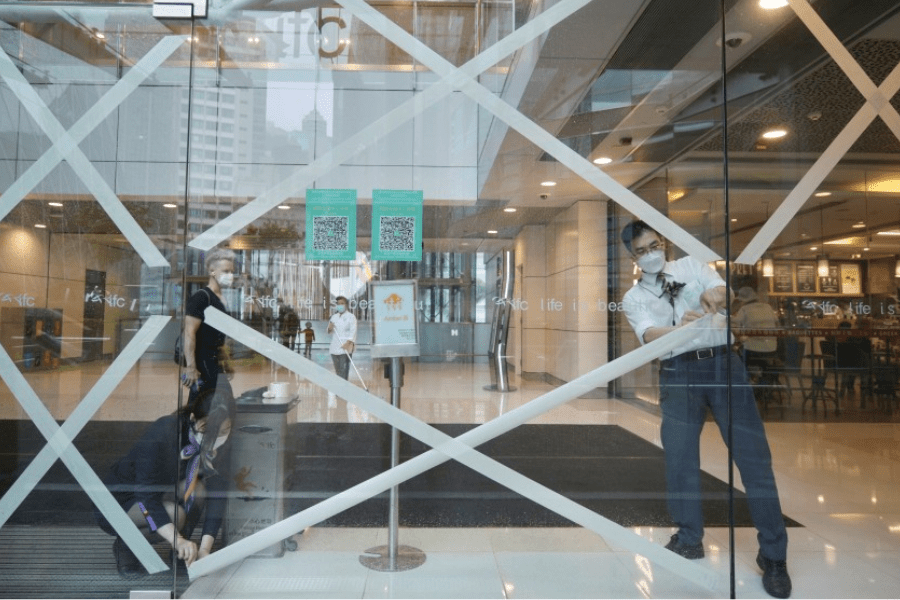
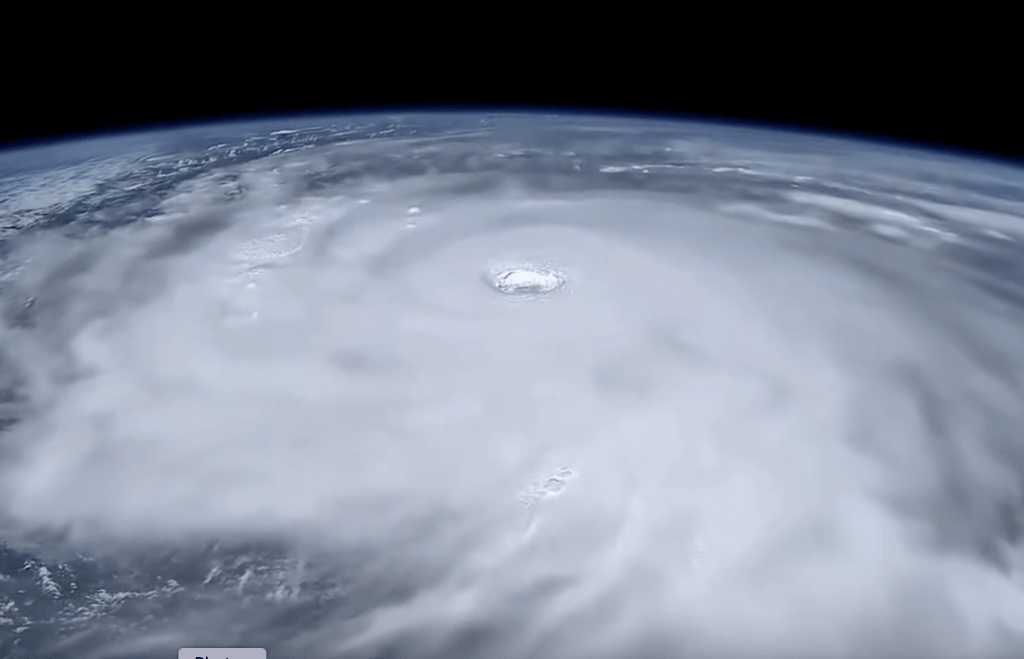
Residents are taping their windows for safety as Super Typhoon Ragasa edges near, while experts have some lesser-known tips to enhance protection against wind damage.
ADVERTISEMENT
SCROLL TO CONTINUE WITH CONTENT
Reasons for window breakage during typhoons
A video released by the Hong Kong Observatory YouTube channel features Lo Kok-keung, a former Hong Kong Polytechnic University engineer, discussing how to protect windows from typhoon damage.
In the video, Lo identified three major causes of window breakage during typhoons: strong winds that generate vibrations that cause cracks, high wind speeds that blow up debris that breaks glass, and strong winds that deform glass.
To minimize the risk of shattering, Lo suggested a taping pattern based on the Chinese character for “rice”, which saves tape and allows better light transmission, making it suitable for Hong Kong's environment.
Additionally, the pattern provides more support points, reducing the likelihood of glass fragments scattering.
Which tape is the best?
Common types of tape include masking tape, packing tape, and kraft paper tape, each with varying adhesive strengths and textures. While masking tape is easy to apply and remove, it lacks the strength to withstand strong winds.
Kraft tape, known for its durability, is preferred over packing tape, which is less durable and more challenging to clean.
To clean up adhesive residue after the storm, Lo suggests using WD-40 or turpentine.
Quick fix for leaking windows
In addition to window breakage, leaks around windows are another common issue during typhoons.
While many use towels to absorb water, Lo recommends sealing thick newspaper strips in the gaps around the window after closing it.
Alternatively, placing one or two garbage bags over the leaking area and closing the windows can help fill the gaps and reduce the risk of water entering.