Read More
Japan is transforming once-abandoned schools into entertainment venues for tourists, leveraging school closures as an economic boost for rural areas facing sub-replacement fertility.
ADVERTISEMENT
SCROLL TO CONTINUE WITH CONTENT
According to East Week, the sister publication of The Standard, the iconic imagery of Japanese high school life—cheerful girls in sailor uniforms and boys in crisp black, collared uniforms—has long captivated the world, symbolizing youth, romance, and dreams.
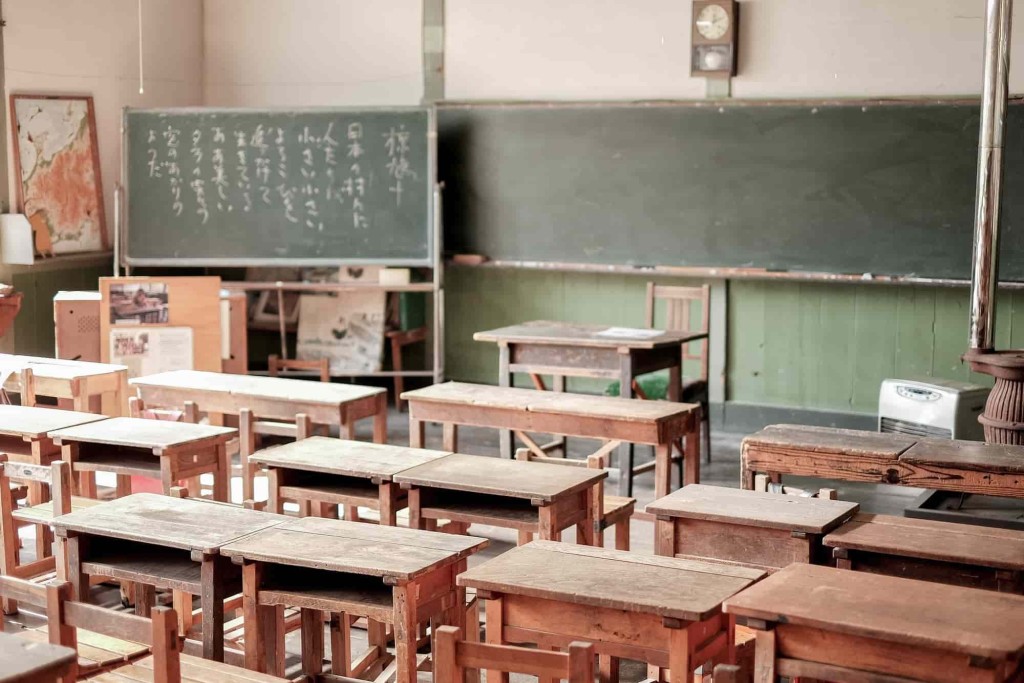
As rural schools in Japan shut down due to a declining student population, various innovations are bringing nostalgia to life in abandoned campuses.
Immersive experiences: Life as a Japanese high school student
Undokaiya Company has launched an experience service named "Your High School," which operates at the former Kameyama Junior High School that was closed in March 2020 due to insufficient student enrollment.
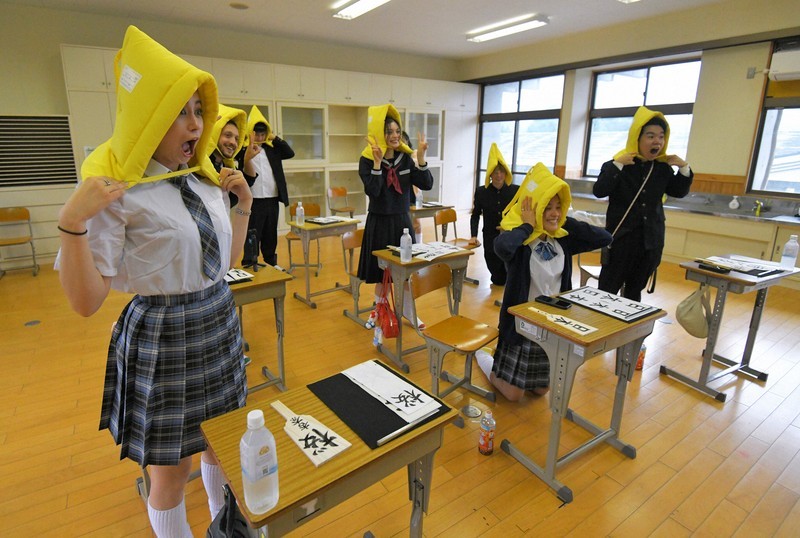
Tourists can spend a day immersed in the life of a Japanese high school student, wearing classic uniforms and interacting with professional actors who play the roles of teachers and classmates.
Participants engage in various activities, including practicing calligraphy, participating in sports day events, taking part in earthquake safety drills, cleaning their classrooms, and receiving a diploma at the end of the day.
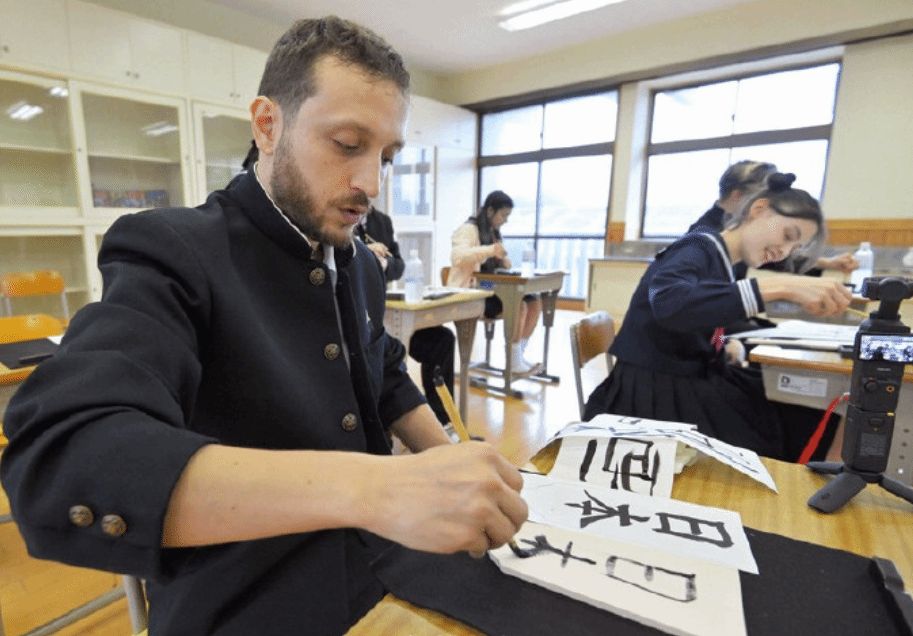
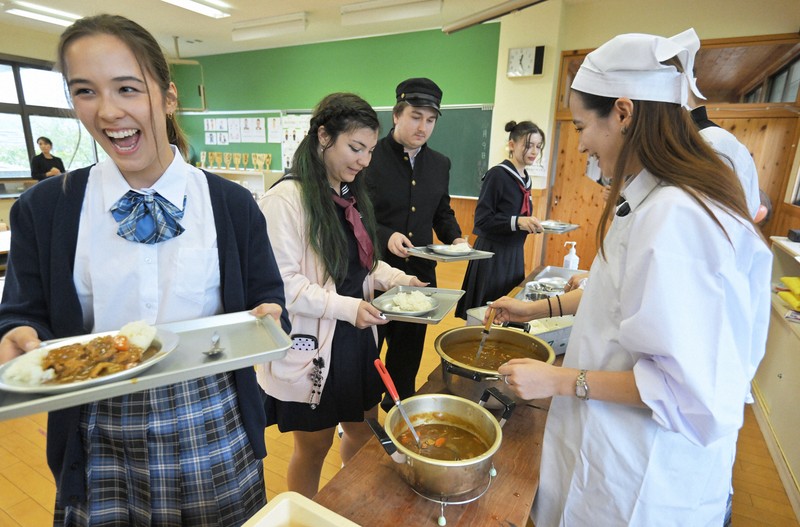
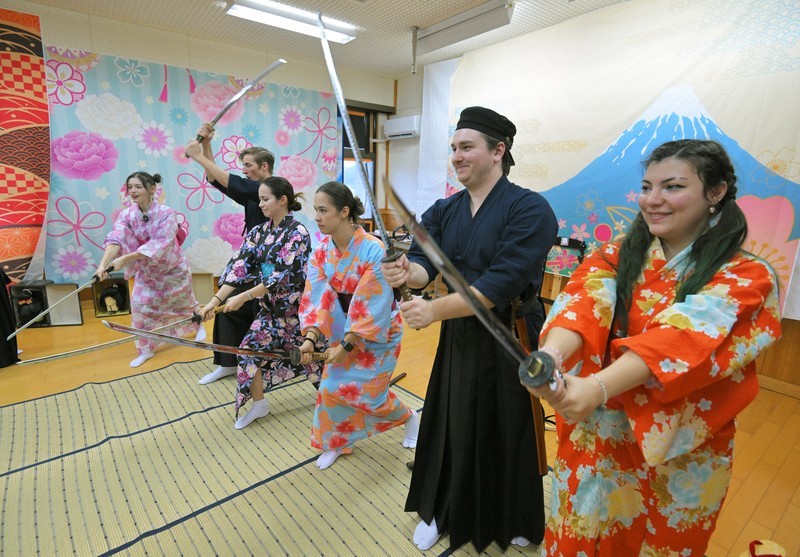
This six-hour experience, priced at around 35,000 yen (HK$1,906), has gained significant popularity among Western tourists and manga fans.
Takaaki Yoneji, head of Undokaiya, expressed hope that this initiative will serve as a model for repurposing abandoned schools, with plans to expand the program to other regions to develop rural tourism further.
Beyond the success of "Your High School," Japan has seen numerous abandoned schools transformed into attractions or hospitality facilities as closures occur due to low birth rates.
Addressing population crisis with rural tourism initiatives
Shota Ito, the youngest chef to win Japan's largest cooking competition, converted a decommissioned elementary school near Kanazawa into a stylish auberge and café, with guest rooms located in former classrooms.
Another elementary school -- located in Ono, Fukushima -- has been transformed into a one-of-a-kind hotel by a local community group following its closure in 2020.
Travelers can stay overnight in the gymnasium, build models or race mini 4WD cars in the classrooms, and enjoy modern amenities like a gym and golf simulator.
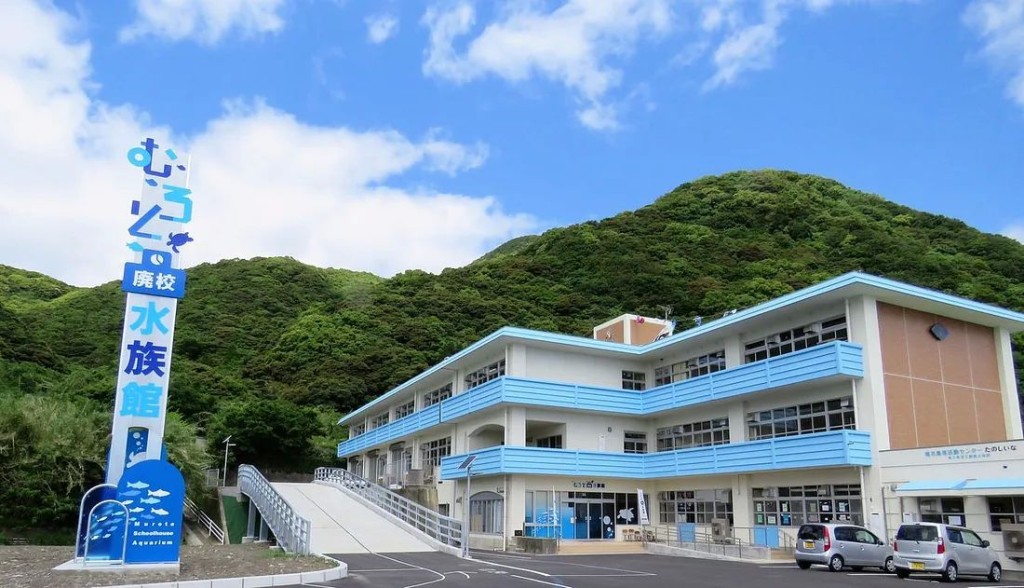
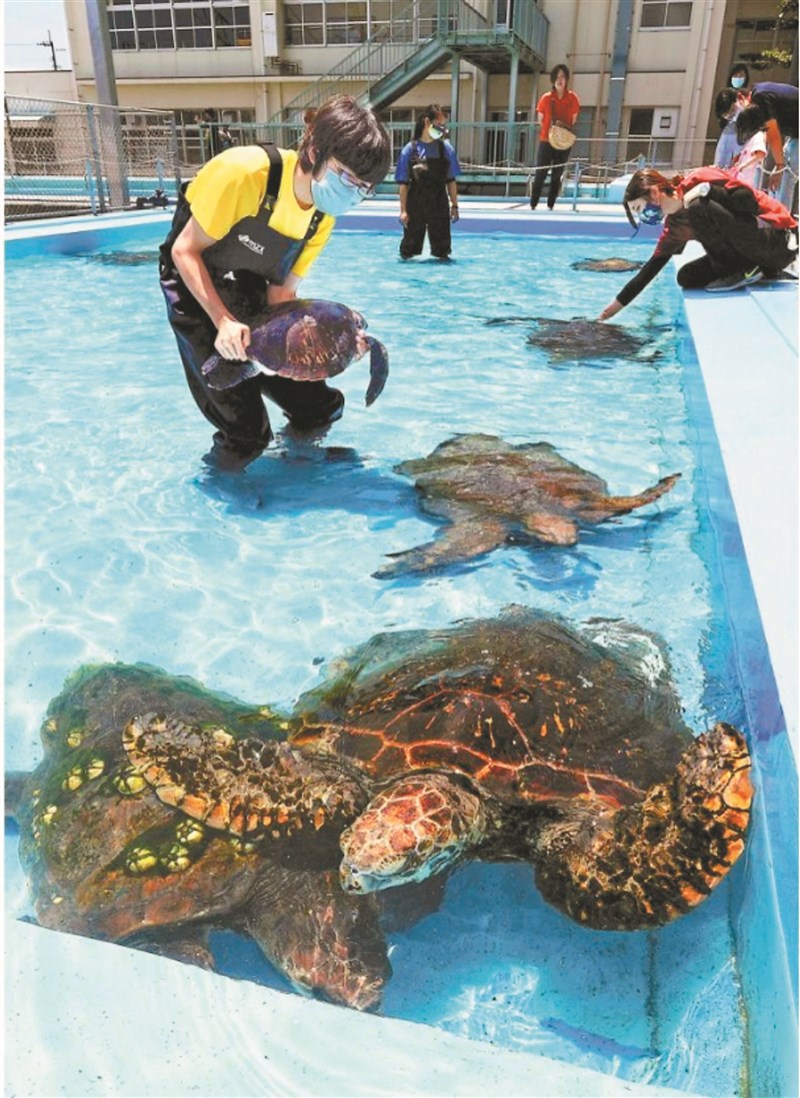
In southeastern Kochi Prefecture, the Muroto Schoolhouse Aquarium -- revamped from a former school -- attracted over 60,000 visitors in just three months after its 2018 opening.
The hallways, science labs, library, and other school spaces now form part of the aquarium, featuring around 50 different types of over 1,000 marine creatures.
Notably, the school's pool has been transformed into a giant tank showcasing sea turtles and sharks, while a specimen collection is displayed in the original science classroom.
Meanwhile, an abandoned student residence for a girls' school in Miyagi Prefecture, which temporarily served as a makeshift morgue for victims of the 2011 earthquake, has unexpectedly attracted thrill-seekers due to ghost stories.
The decommissioned school has also found new life as a cultural landmark.
Revitalizing abandoned schools for tourism
For instance, an elementary school in Daigo, which closed two decades ago, became a backdrop for a hit drama and benefited from its well-preserved facilities.
The report highlights that transforming abandoned rural schools into tourism hubs not only repurposes vacant facilities but also alleviates over-tourism pressures in popular destinations.
In 2023, Japan's tourism sector experienced a remarkable recovery, hosting over 36 million international visitors, a 53 percent year-on-year increase.
Despite this strong performance, the government has set an ambitious target of attracting 60 million annual visitors, with a focus on developing tourism in remote areas.
The Japanese government also outlined plans to "redirect visitor flows" to rural areas at the end of last year, with many municipal governments aiming to leverage the unique appeal of high school culture to draw visitors.
Analysts suggest that this initiative will create local employment opportunities, boost regional income, and encourage young people to remain in rural communities.
Additionally, Japanese authorities reported in May that children under 15 years old represented a record low of only 11 percent of the population as of October 2023, marking a decrease of 340,000 from the previous year.
The population crisis will also lead to a reduction in higher education, with university enrollment estimated to plummet from 1.3 million to under 500,000 by 2050.
Private universities, which rely on tuition for 70 percent of their income, are expected to face greater challenges. Currently, half of the 600 institutions are struggling to fill their spots, and 33 percent are operating at a loss.
(Judy Cui)