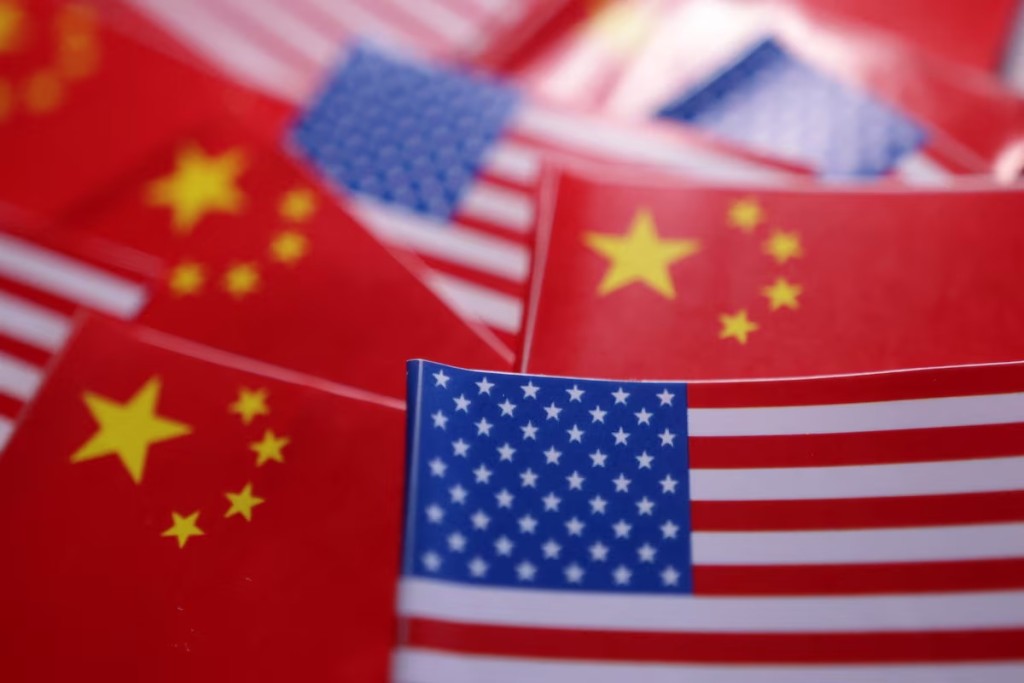
The United States will cut the low value "de minimis" tariff on China shipments, a White House executive order said on Monday, further de-escalating a potentially damaging trade war between the world's two largest economies.
The tariff relief comes in the wake of Beijing and Washington announcing a truce in their trade spat after weekend talks in Geneva, with both sides agreeing to unwind most of the tariffs imposed on each other's goods since early April.
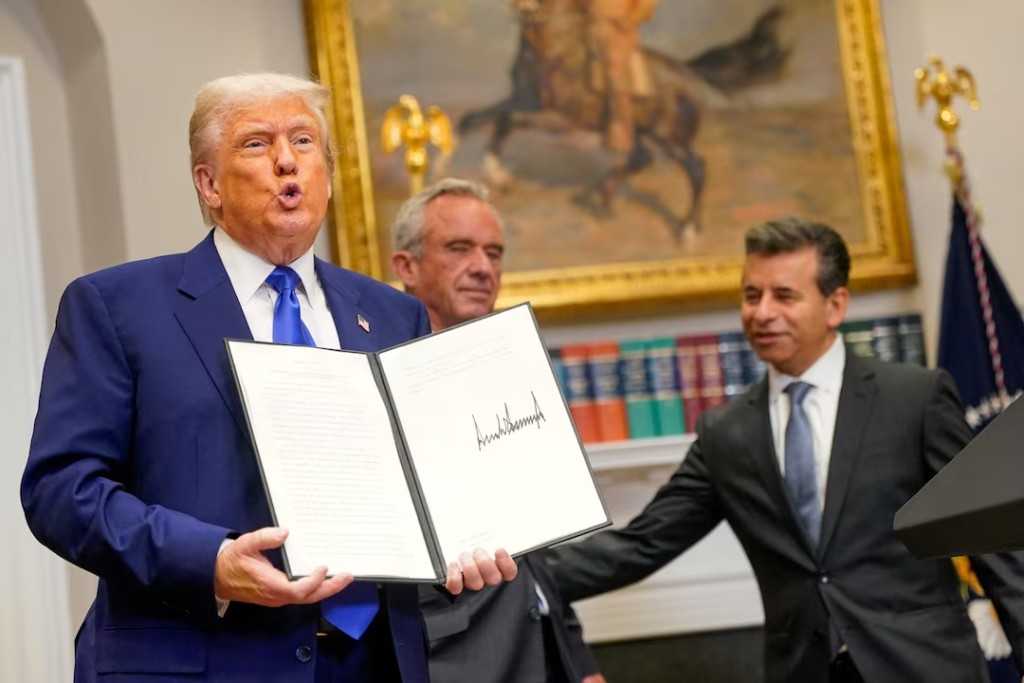
While their joint statement in Geneva didn't mention the de minimis duties, the White House order released later said the levies will be reduced to 54 percent from 120 percent, with a flat fee of US$100 to remain, starting from May 14.
The de minimis exemption, for items valued at up to US$800 and sent from China via postal services, were previously able to enter the United States duty free and with minimal inspections.
In February, President Donald Trump ended the de minimis exemption by imposing a tax of 120 percent of the package's value or a planned flat fee of US$200 - set to come into effect by June - blaming it for being heavily used by companies such as Shein, Temu and other e-commerce firms as well as traffickers of fentanyl and other illicit goods.
The number of shipments entering the U.S. through the tax-free channel exploded in recent years with more than 90 percent of all packages coming via de minimis. Of those, about 60 percent came from China, led by direct-to-consumer retailers such as Temu and Shein.
For one Shanghai-based medical equipment maker, the easing trade tensions will allow it to shelve planned job cuts and production line closures slated for later this month. That will provide some breathing room, but won’t alter efforts to shift some manufacturing out of China and avoid the remaining tariffs, said Pang Ling, a sales manager of the company which employs hundreds of workers and relies on the US for about half of its US$70 million in annual sales.
“Now, we don’t need to let anyone go,” she said in a phone interview. “I’m confident about this year’s sales from the US again.”
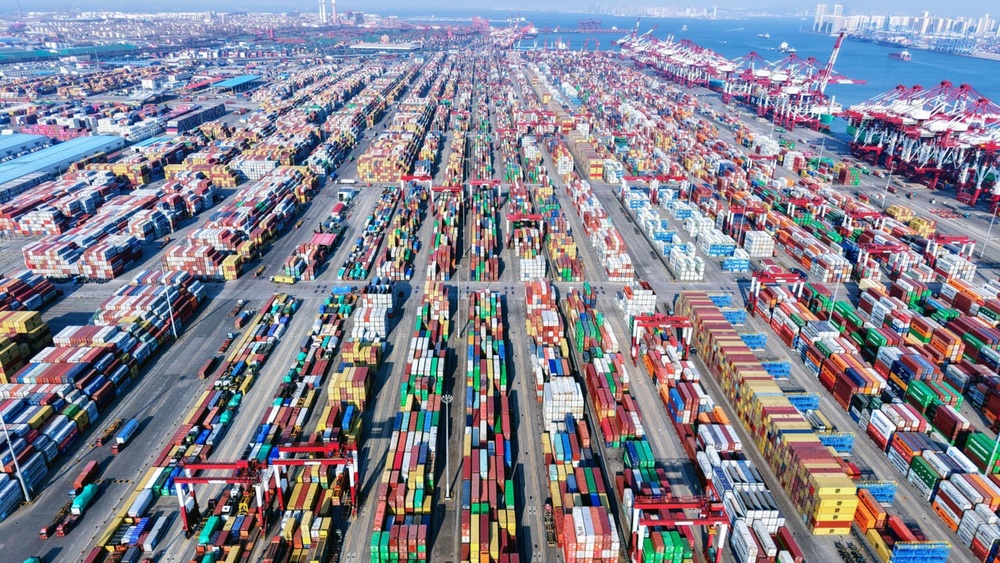
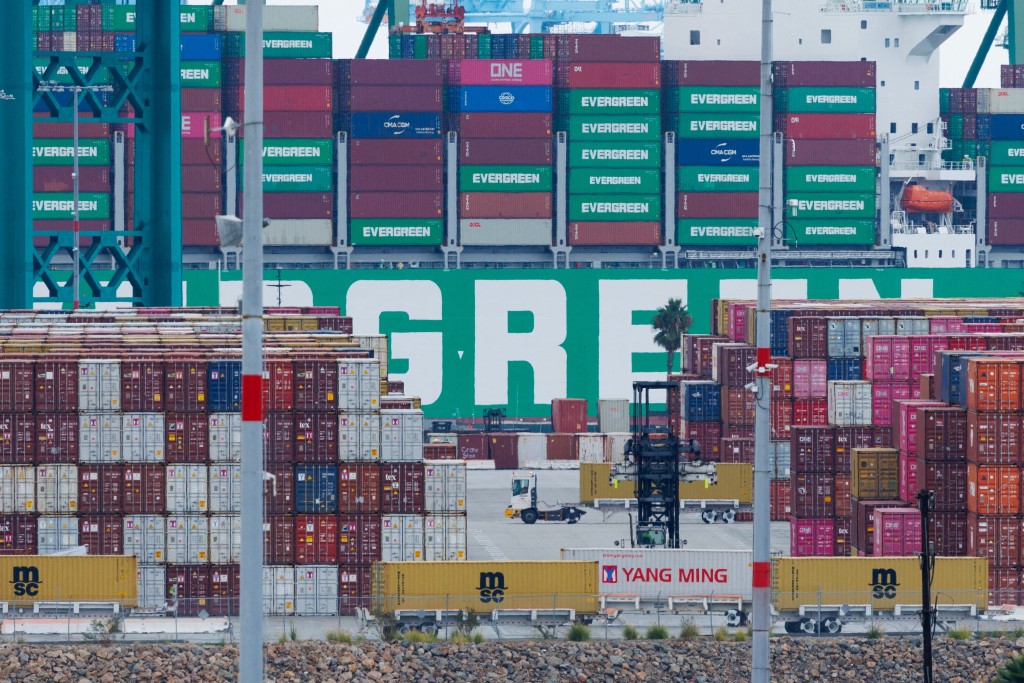
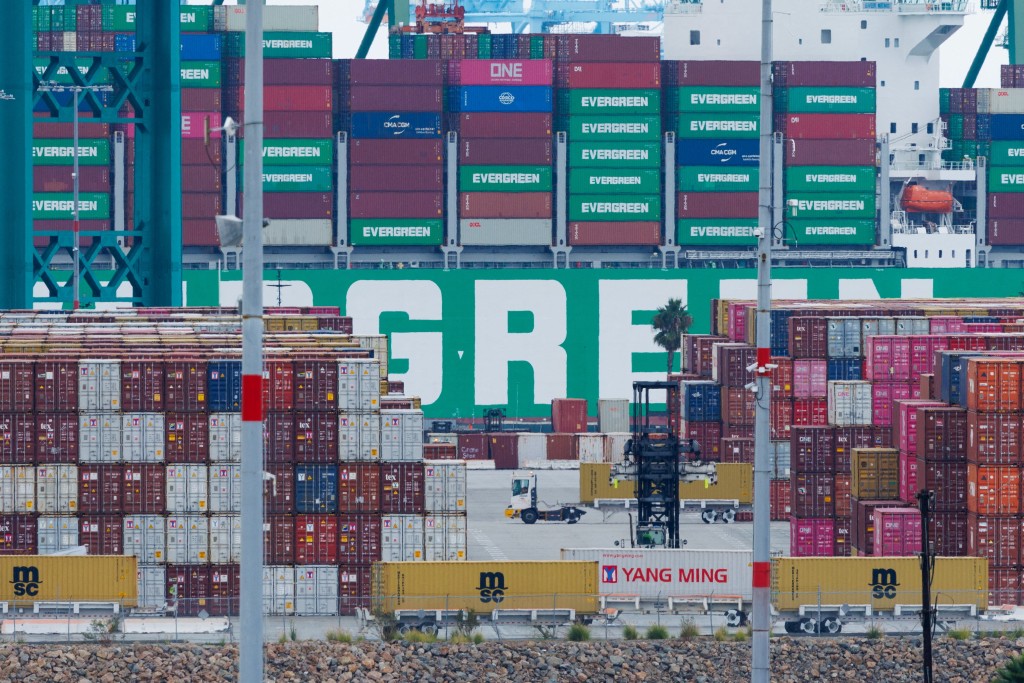
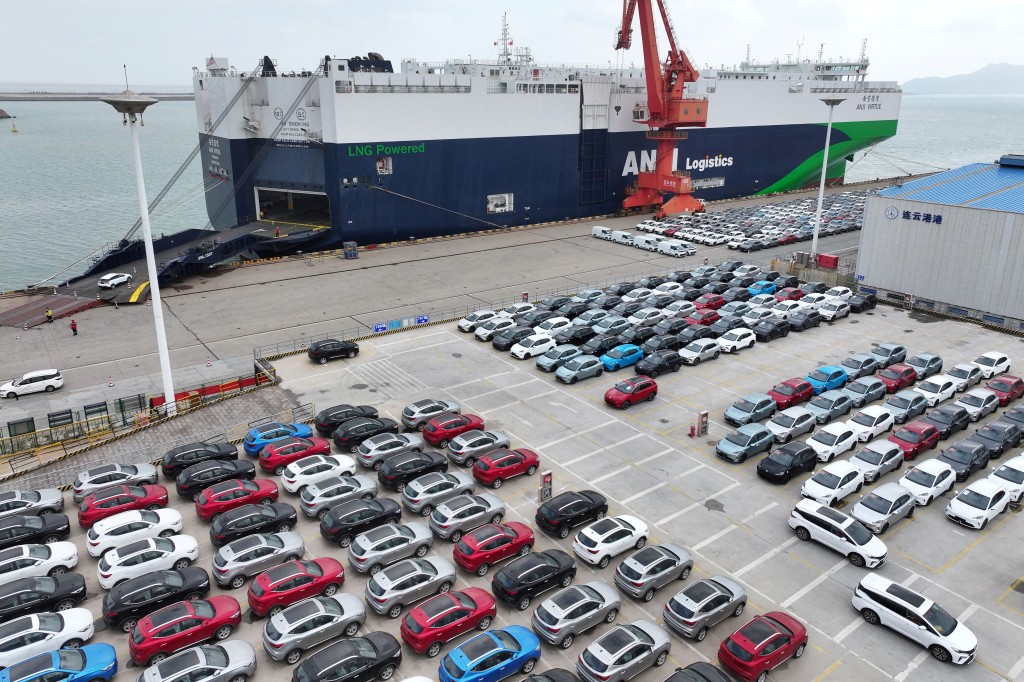
Many Chinese factories that make everything for export from coffee machines to yoga pants have halted shipments to the US and idled assembly lines — with some operating just three or four days a week — after President Donald Trump singled out China for especially high tariffs in April.
Demand soared for many Chinese-made products on platforms like Temu and Shein before tariffs came into effect. Sales on the two platforms tanked afterward.
Chinese online retailers Shein, PDD Holdings-owned Temu and U.S. rival Amazon did not immediately respond to requests for comment.
In Monday's order, the White House said the reduced tariffs will take effect by 12.01 am (0401 GMT) on May 14, 2025.
The plan for a US$200 flat fee duty rate would also be shelved, it said, keeping it at US$100.
China exported US$240 billion in direct-to-consumer goods benefiting from de minimis worldwide last year, accounting for 7 percent of its overseas sales and contributing 1.3 percent of gross domestic product, according to Nomura estimates.
"I'll speak to President Xi”
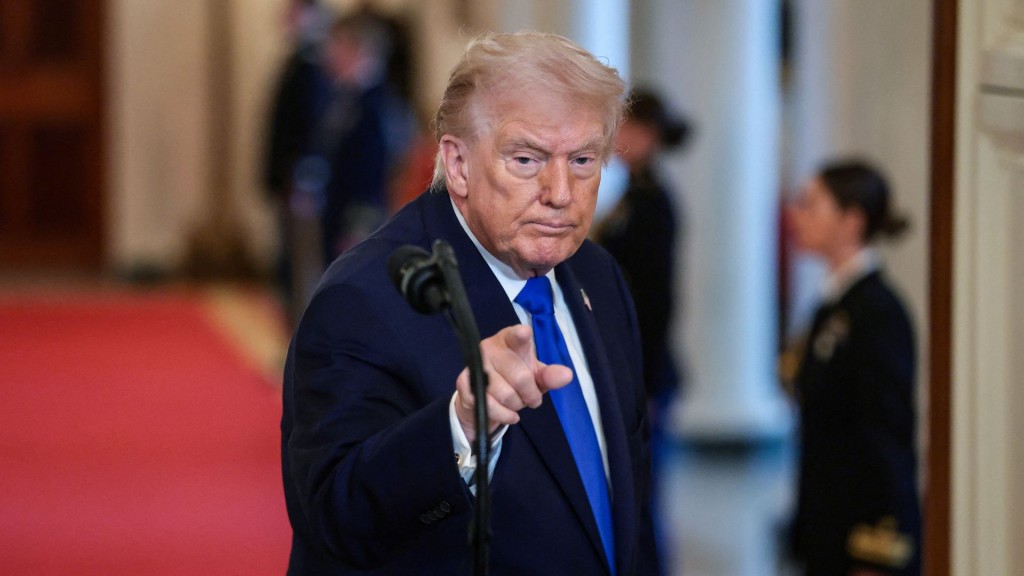
"Yesterday we achieved a total reset with China after productive talks in Geneva," Trump said. "I'll speak to President Xi, maybe at the end of the week."
US Treasury Secretary Scott Bessent described weekend discussions with Chinese Vice Premier He Lifeng and international trade representative Li Chenggang as "productive" and "robust" with both sides anticipated to meet again soon.
Bessent told CNBC Monday that he expects United States and Chinese representatives to meet again in the coming weeks to work out "a more fulsome agreement."
While Washington does not want broad decoupling from China, it seeks "decoupling for strategic necessities," Bessent said.
He added to CNBC that the 90-day pause was also done to see what the United States could do about non-tariff barriers weighing on US firms.
China hailed the "substantial progress" made at the talks, held at the discreet villa residence of Switzerland's ambassador to the United Nations in Geneva.
This move "is in the interest of the two countries and the common interest of the world," the Chinese commerce ministry said, adding that it hoped Washington would keep working with Beijing "to correct the wrong practice of unilateral tariff rises."
With the agreement, China also committed to suspending or removing non-tariff countermeasures.
Fentanyl 'cooperation'
The US additional tariff rate remains higher than China's because it includes a 20 percent levy over Trump's complaints about Chinese exports of chemicals used to make fentanyl, US Trade Representative Jamieson Greer told reporters.
"Those remain unchanged for now," he said. But "both the Chinese and United States agreed to work constructively together on fentanyl and there is a positive path forward there as well."
In a joint statement, the two sides agreed to "establish a mechanism to continue discussions about economic and trade relations."
"I think we leave with a very good mechanism to avoid the unfortunate escalations," Bessent said, noting that the tariffs had essentially created a trade "embargo" between the two superpowers.
China's commerce ministry said both parties "will conduct rolling consultations on a regular or ad hoc basis in China, the US or agreed third countries."
(Staff reporter, Reuters and Bloomberg)