Eight in ten Chinese companies investing in Southeast Asia said they were satisfied with their businesses, though policy stability has emerged as the biggest risk, according to a survey.
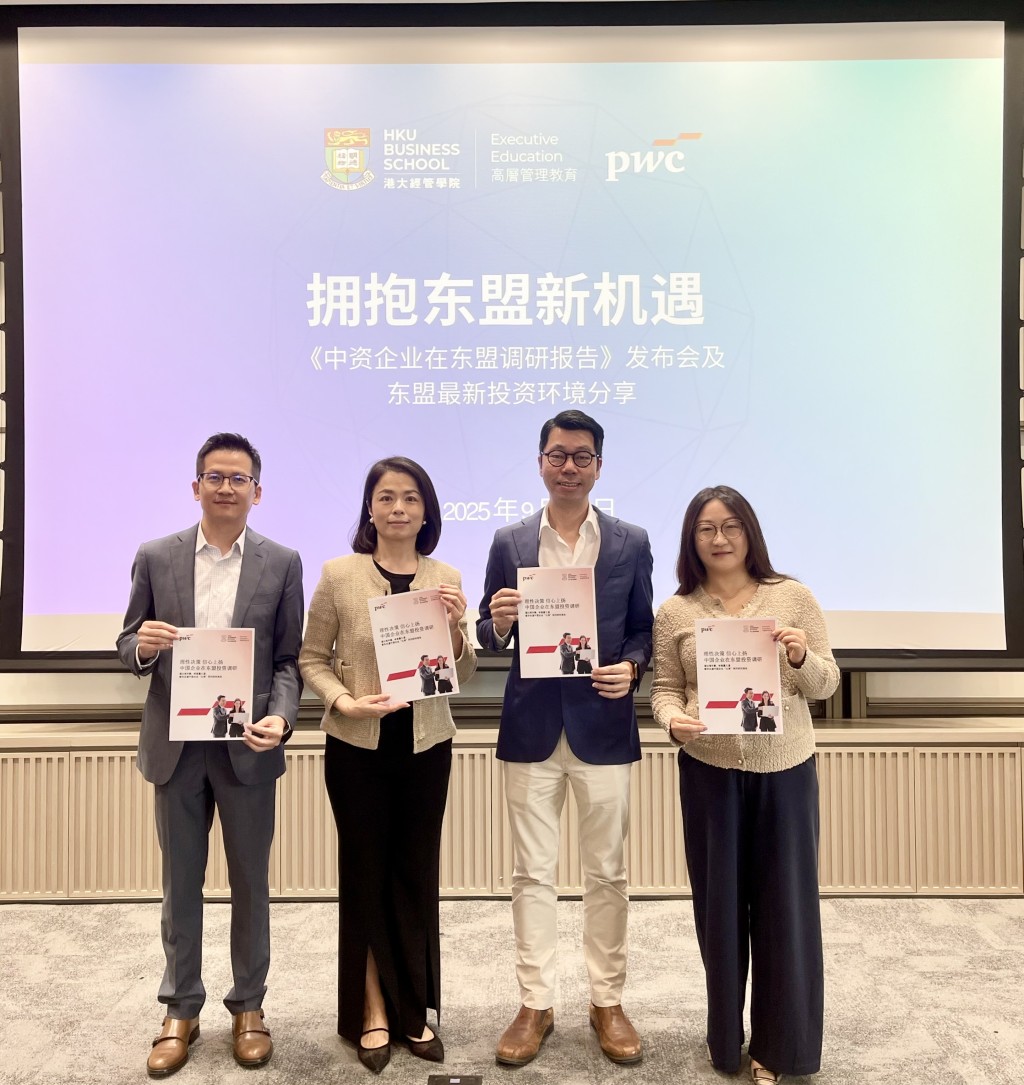
The report, jointly published by PwC and the University of Hong Kong’s Executive Education unit, found Indonesia, Malaysia and Thailand were the top destinations for those Chinese investors in ASEAN, with 67 percent, 47 percent and 40 percent of respondents operating there, respectively.
Conducted between July and August, the survey covered 30 Chinese firms in ASEAN, two-thirds of which were manufacturers.
Other sectors represented included transportation, finance, energy and chemicals, agriculture, construction, wholesale and retails.
More than 60 percent of respondents reported making a profit.
For manufacturers, key drivers for expansion were market growth, lower production costs, and diversifying risks arising from trade friction. Nearly all of them – 95 percent – entered the region through wholly owned investments.
Still, 80 percent of surveyed firms cited policy stability as their biggest investment risk, alongside growing concerns over complex government approvals and rising operating costs. In daily operations, 73 percent pointed to recruitment and talent management as their toughest challenge, followed by supply chain and cost management, both at 53 percent.
More than 70 percent of manufacturers said the ASEAN business environment had improved compared with two years ago, especially in Malaysia, Thailand and Vietnam. Over 80 percent planned to expand their investments in the region within the next three years.
The report said Chinese firms called for stronger policy support on talent, taxation and cross-border capital flows, with 80 percent stressing stability and transparency of business rules and 70 percent seeking greater government efficiency.
PwC China’s inbound/outbound leader Linda Cai Ling said that Chinese enterprises' deeper engagement in the ASEAN market has provided crucial support for refining industrial chains, achieving economic transformation and sustainable development.