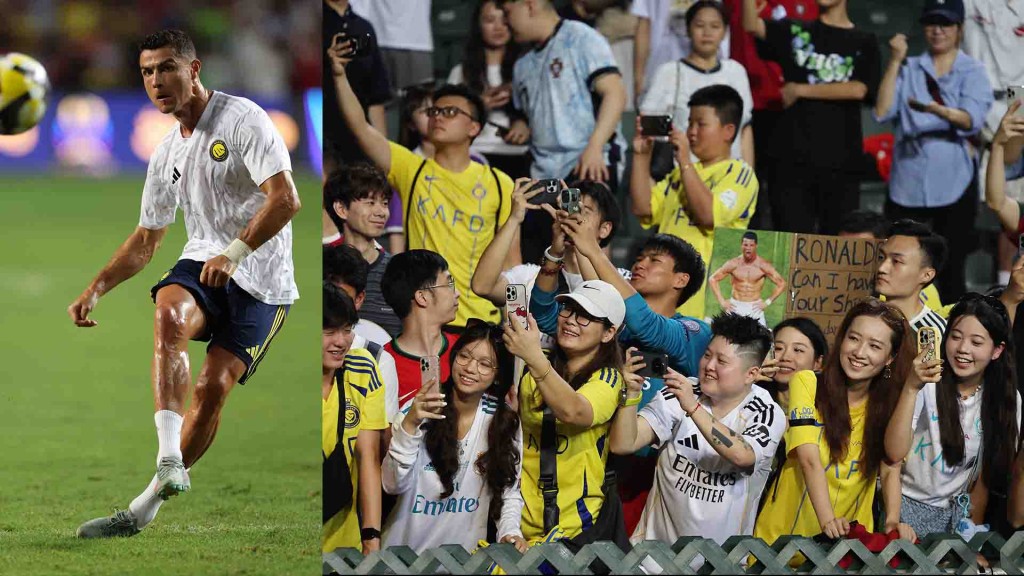
The Saudi Super Cup has rapidly evolved from a domestic curtain-raiser into a globally marketed football spectacle, previously staged in London (2022) and Abu Dhabi (2023) to maximize international exposure.
Now, Hong Kong becomes the first Asian city to host the event, a move that could significantly strengthen its role as Asia’s premier sports hub.
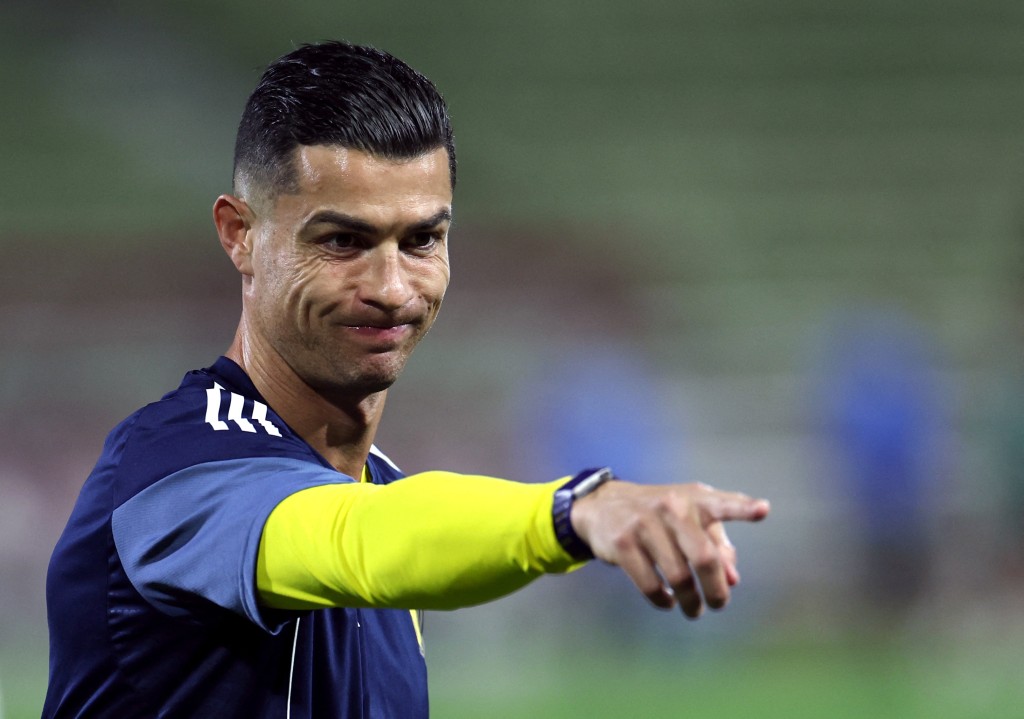
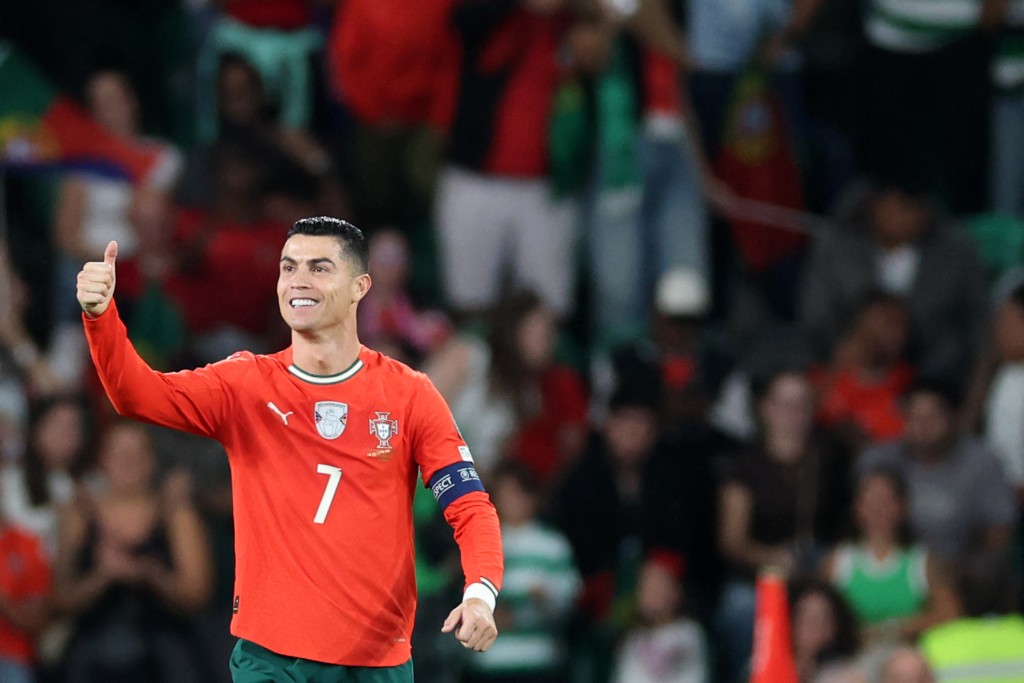
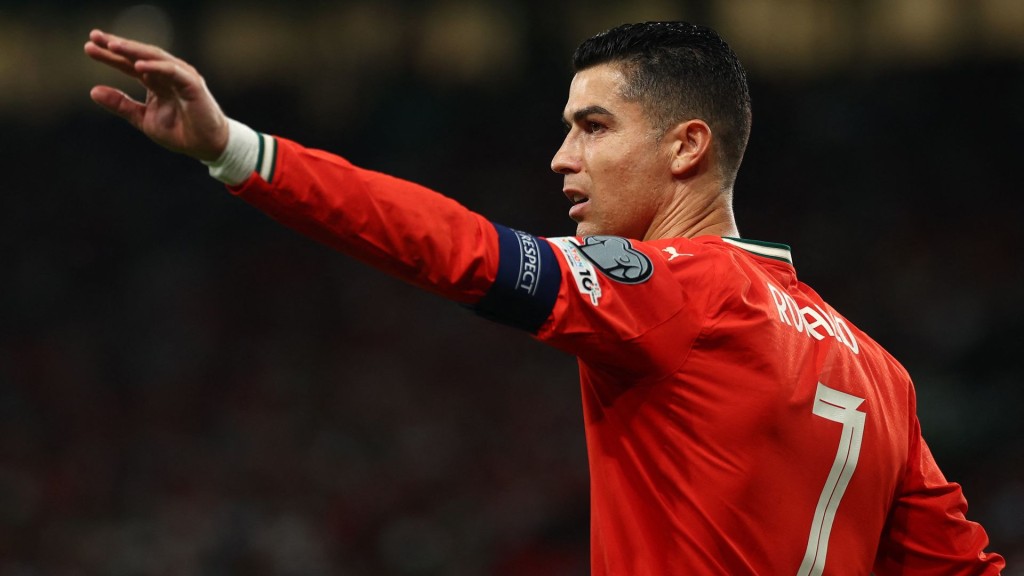
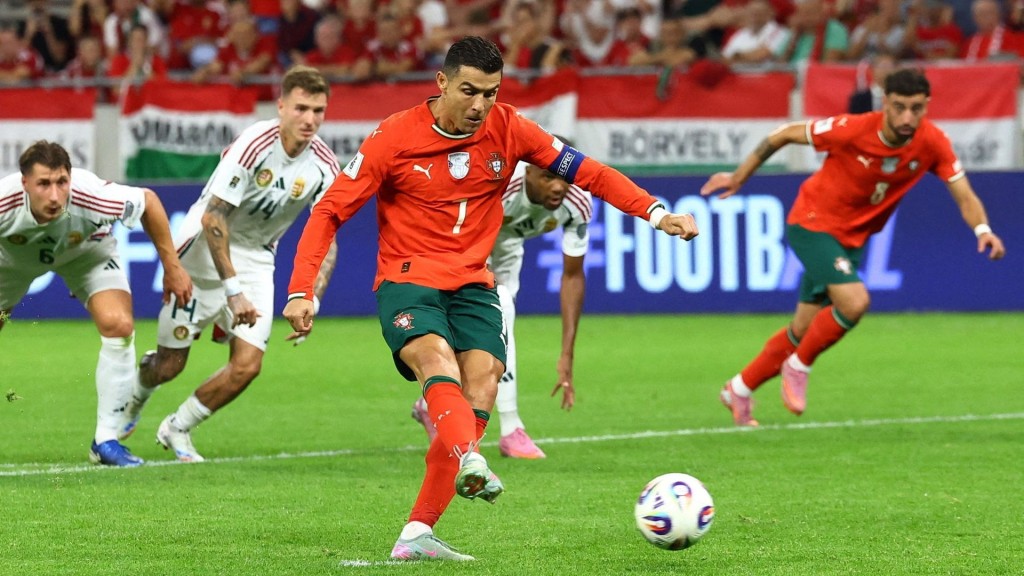
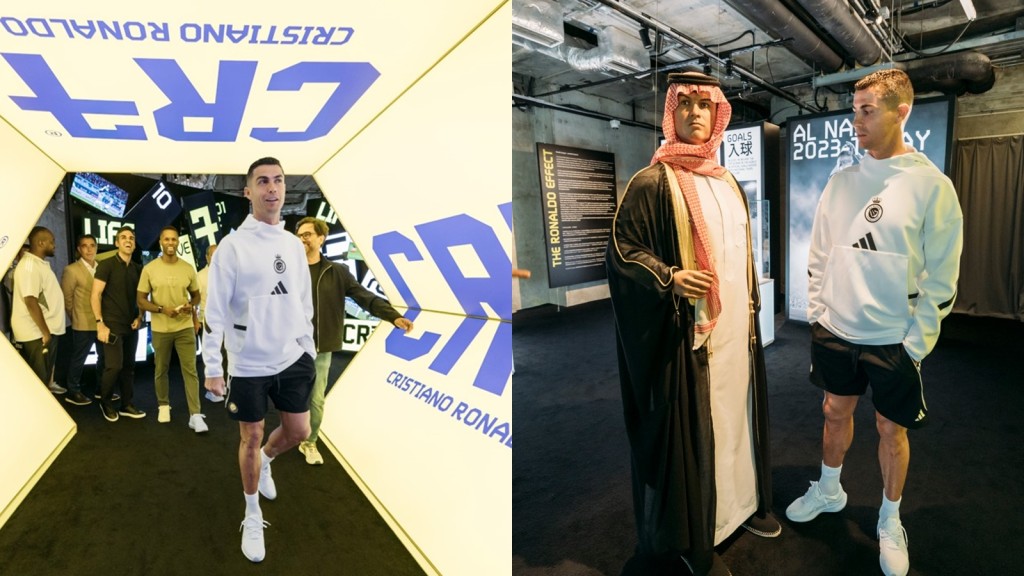
With global icons such as Cristiano Ronaldo and Karim Benzema now playing in the Saudi Pro League, the Super Cup has grown into a global sports product rather than a local showcase.
Hong Kong, with its world-class infrastructure, unrivaled international connectivity, and vibrant sports culture, is ideally positioned to take this event to the next level.
Economic, tourism, and sporting benefits
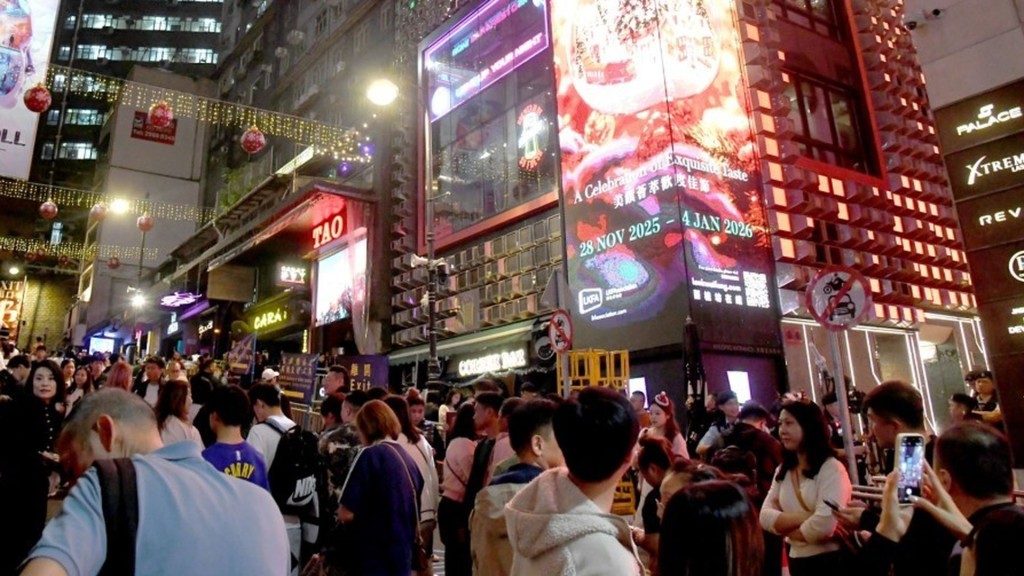
The economic and tourism benefits for Hong Kong are immense. Major sporting events consistently drive spending in hospitality, retail, and transportation. Hosting the Saudi Super Cup in Hong Kong attracts thousands of local and overseas fans, filling hotels, restaurants, and shopping districts.
Even more importantly, the event’s global broadcast reach rebrands Hong Kong as a must-visit destination for sports and entertainment, boosting international tourism and enhancing the city’s global image.
Hong Kong already has a proven track record of hosting elite international sporting events. From the world-famous Hong Kong Rugby Sevens to LIV Golf, the city has shown it can manage world-class tournaments. The Saudi Super Cup further cements Hong Kong’s reputation as Asia’s event capital, while opening doors to hosting even bigger competitions such as the AFC Champions League final or FIFA international friendlies.
The benefits extend beyond image and tourism. Hong Kong football has long needed a spark. Watching stars like Ronaldo live in Hong Kong inspires young players and reignites passion for the sport. At the same time, the event could catalyze Saudi–Hong Kong partnerships in coaching, youth academies, and commercial investment in the Hong Kong Premier League, creating a long-term foundation for sustainable football development.
Strengthening business, geopolitical ties
Hosting the Saudi Super Cup carries significant geopolitical and business implications too. Saudi Arabia is an increasingly important trade partner for China, while Hong Kong serves as a strategic bridge between the Middle East and Asia.
Aligning the Super Cup with both China’s Belt and Road Initiative and Saudi Vision 2030 would strengthen ties across diplomacy, commerce and culture, giving the tournament resonance far beyond the pitch.
Critics may argue that hosting costs are high or that rivals such as Singapore and Dubai are better positioned. Yet Hong Kong offers distinct advantages: one of the world’s best airports and public transport systems, a passionate fanbase proven by strong ticket sales, and a solid record of public–private partnerships in organizing major events, as seen with the Rugby Sevens.
Hosting the Saudi Super Cup is not simply about football – it is about reclaiming the city’s place on the global sports map and proving that it can deliver world-class events that attract international attention.