Read More








The trend is bucking the sluggish consumption seen elsewhere in China's post-Covid economy.
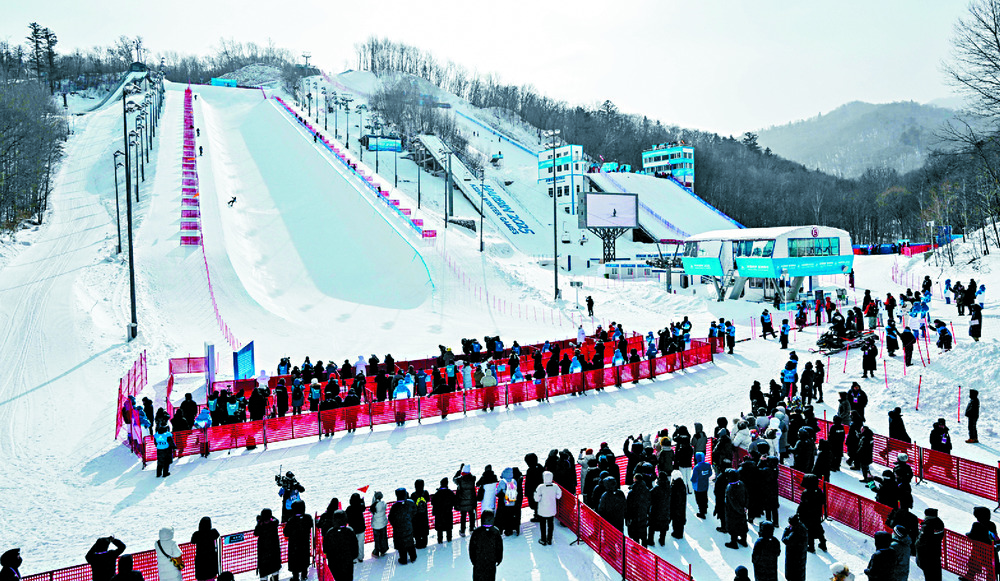
Rental boots flew off the shelves at the city's Mingdu Ski Field yesterday as a constant stream of people headed for the pistes on a cold but clear day.
"I wanted to try it out because snow sports are hot, everyone wants to try skiing," said the 18-year-old, who was visiting Harbin for the Games.
The cheapest daytime passes at the two-slope ski area cost around US$11 for two hours, including gear hire."There's a pretty low entry barrier for beginners," said first-time skier Hu Enjie, who was visiting from the eastern Chinese city of Nanjing.
Industry data shows more and more people are paying into a pastime that is synonymous with wealth and luxury in Europe and North America.Visits to ski areas from May 1, 2023 to April 30, 2024 were up 16 percent compared to the same period a year prior, according to the China Ski Industry White Book.
Around the country, even more capacity is being added.Last year alone, China built 30 new resorts, and overall, the nation leads the word when it comes to indoor ski resort building - boasting half of the world's top 10 based on snow area, according to Daxue Consulting.
Agence France-Presse