Read More


Night Recap - October 23, 2026
10 hours ago





Late police constable Chu Chun-kwok to receive full honors funeral on Fri
22-10-2026 15:33 HKT

Kyle Kennedy, granddaughter of Robert F. Kennedy, dies at 42
22-10-2026 04:11 HKT
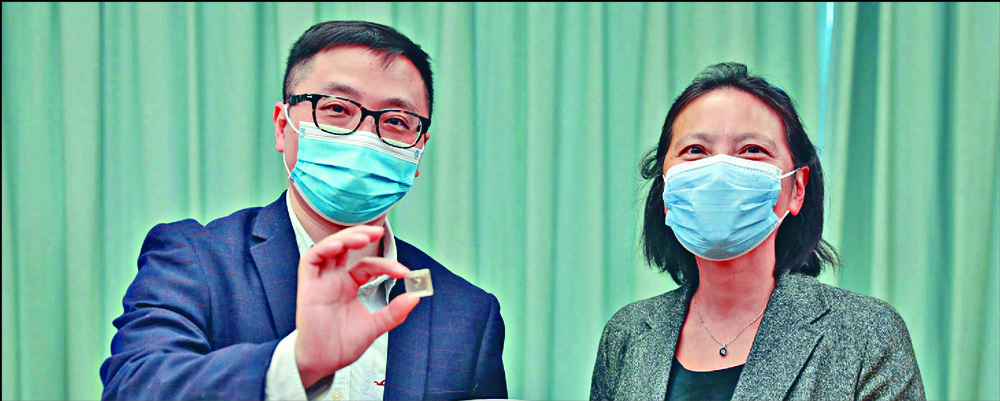
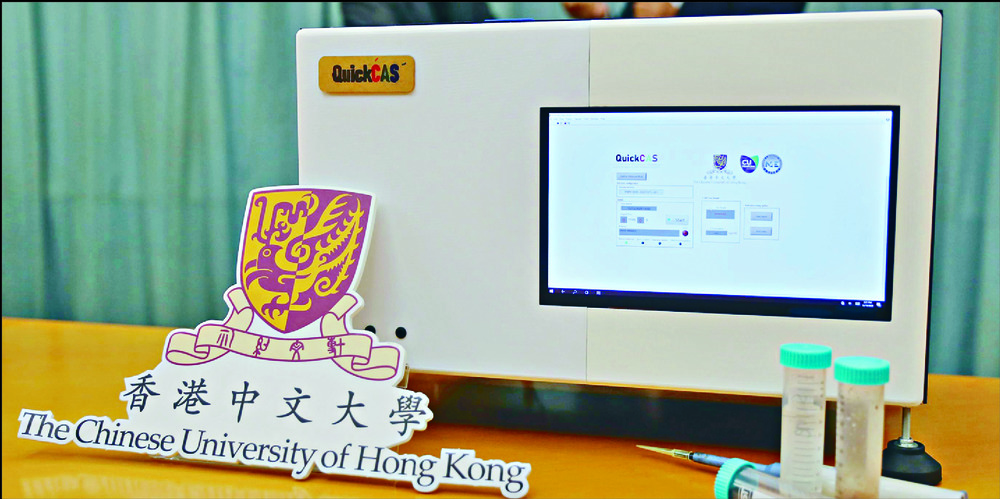
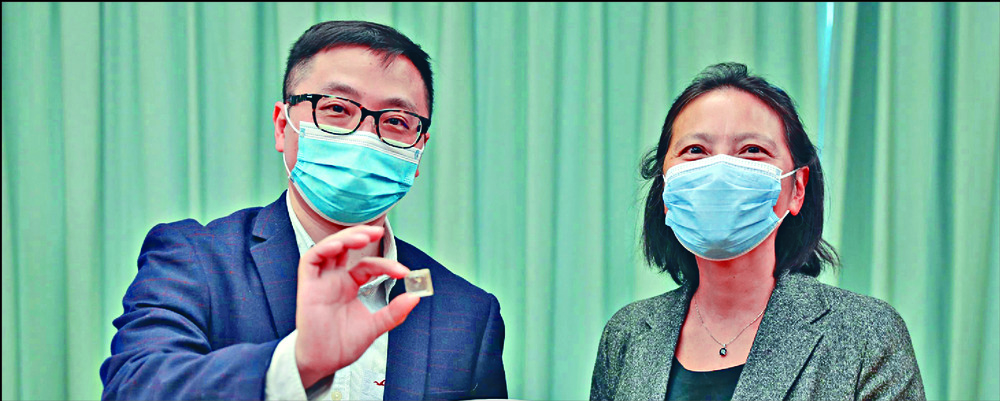
The Chinese University is developing a fully automated, low cost and rapid testing system to detect multiple bacteria and viruses, including Covid-19.
Traditional tests would take two to four hours to detect the bacteria, but QuickCAS only needs 15 to 30 minutes to complete the test. The cost has also been reduced from about HK$300 to HK$50 for each test, the university said.
Microbiology professor Margaret Ip Pik-yiu said demand for a rapid testing system has increased with Covid-19.
"With globalization, the spread of infectious diseases is not restricted to geographical areas," she said. "To enhance the diagnosis of infections and control, testing using automatic rapid detection systems is the general trend."Associate professor of mechanical and automation engineering Zhang Li also said patients no longer need to wait long in hospitals or the airport with the system, lowering the risk of cross-infection.
Zhang said the bacteria or virus can be detected by microrobots in a short time. A microrobot is only 10 micrometers long and as big as a red blood cell.The toxin released by the pathogens would combine with a part of the microrobots, stopping them from fluorescing Researchers would be able to find out if a patient is infected with certain bacteria or viruses if the fluorescence goes out.
Zhang said the system is also equipped with an external magnetic field to remotely control the microrobots, shortening the detection time.He stressed the system is fully automated and no manpower will be involved.
He also said the team is aiming to use the system to test for other viruses and bacteria, including the coronavirus, by developing other types of microrobots.