Read More
Beijing has launched a consultation on candidates for the upcoming chief executive election two weeks ahead of the nomination period to start on February 20, sources said.
ADVERTISEMENT
SCROLL TO CONTINUE WITH CONTENT
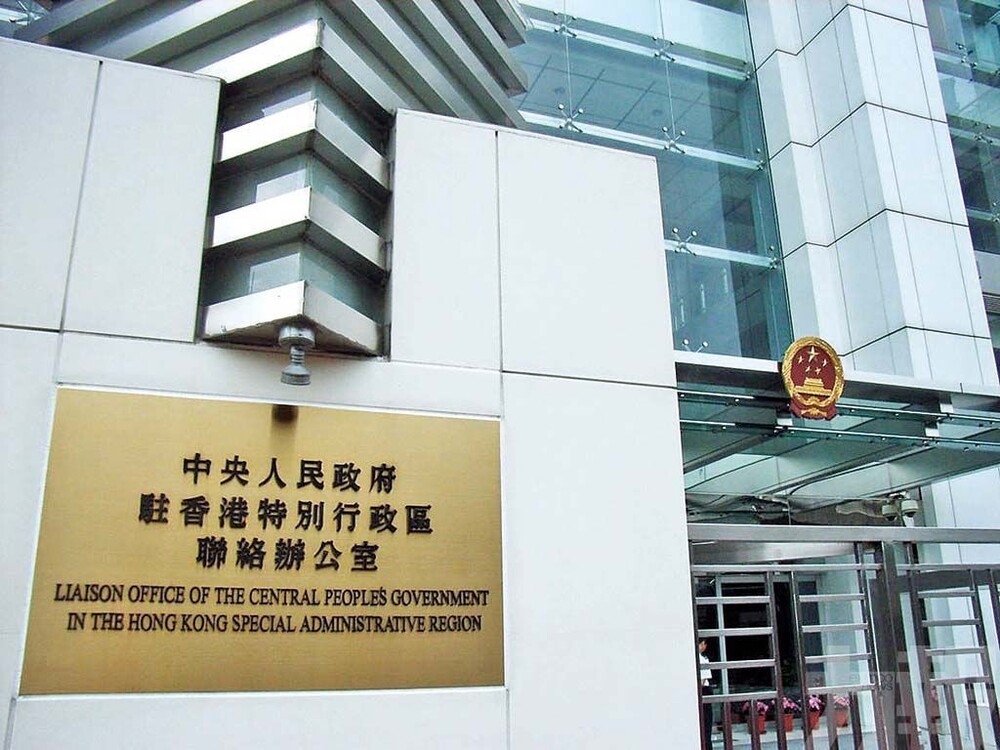
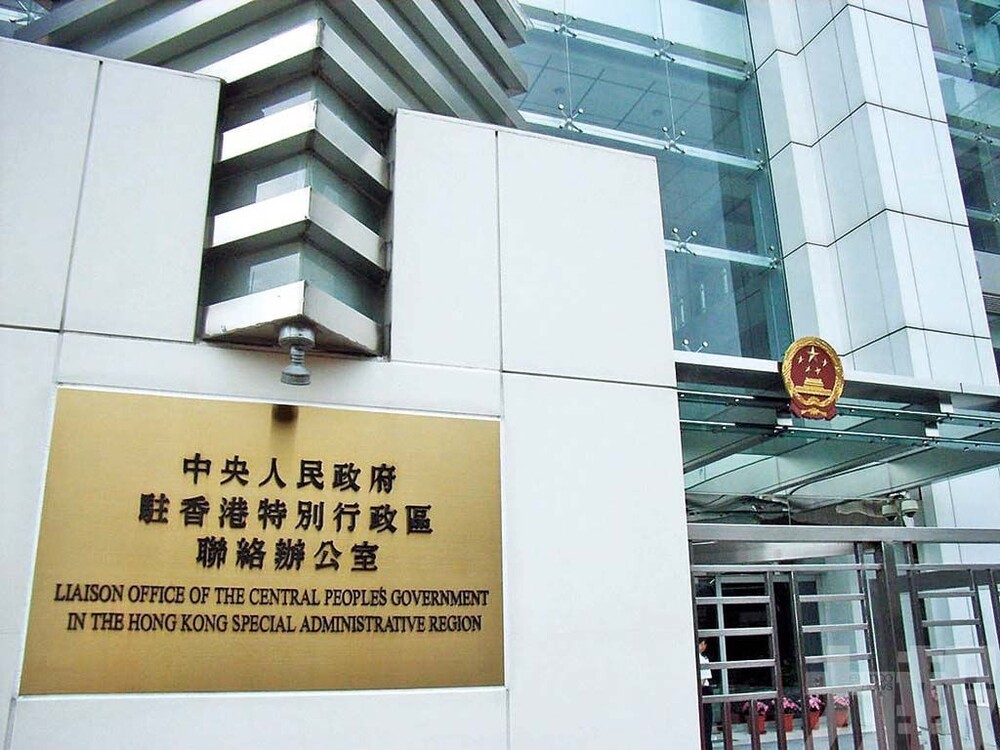
According to an exclusive report by Sing Tao Daily, The Standard's sister publication, leaders of the Liaison Office last week met with pro-establishment heavyweights and consulted them on candidates for the March 27 race.
It is understood the meetings were held after the first day of the Lunar New Year holiday on Tuesday. Invited were incumbent and former members of the Chinese People's Political Consultative Conference standing committee and major leaders of patriotic groups.
They were met one-on-one by deputies of the Liaison Office, when they were asked to give opinions on the election and possible candidates.
But the officials only listened and did not put forward any names.
One of the heavyweights invited for consultation said it was "weird and not typical" for Beijing to still be undergoing "open-ended" consultation with the nomination to begin in two weeks.
So far only one person - pro-establishment film producer Checkley Sin Kwok-lam - has thrown his hat into the ring.
Incumbent leader Carrie Lam Cheng Yuet-ngor has refused on various occasions to comment on whether she will seek re-election.
Meanwhile, former CE and CPPCC vice-chairman Leung Chun-ying has dropped hints in media interviews but has not made any public announcements.
Political commentator Lau Siu-kai, vice president of the Chinese Association of Hong Kong and Macau Studies, said candidates who want to run in the CE election would not express their intention.
"Everyone is assessing the situation and wants to know their odds of winning the election, but they would not know their odds if they do not receive the 'blessing' or they are not confident enough to get support from Election Committee members," he said.
Lau pointed out that the CE race began earlier in the past as there were quite a lot of Election Committee members from the opposition camp. For weaker candidates, they would hope to fight their way by getting support from the opposition camp.
The opposition camp could also play a crucial role in affecting the election, Lau said.
"In the past, the opposition camp would nominate candidates as they wanted to lead the election with impact. They would raise their requests to the future chief executive and affect public opinion, to influence the election," he said.
"Therefore, they [the opposition camp] tended to make a move in the early stage as the pro-establishment camp and the central government also need to react, so the opposition would not get an early mover advantage to make the agenda for election."
Lau believed that, with no Election Committee members from the opposition camp this time, it is unlikely the CE race would begin early. He said Beijing always wanted to see fair play in the CE election and the competition would not harm the stability of Hong Kong or damage the unity of the patriotic camp.
"The next CE has to think about how to safeguard the security for Hong Kong and the country in such an environment.
"While the society and economy in Hong Kong are also in a twist, the person has to solve the deep-rooted conflicts and build the structural foundation for diversified industries."
Lau said Beijing does not want to see a destructive competition in the CE election as it would divide the patriotic camp and the external opposition force would have an opportunity to take advantage.
staff.reporter@singtaonewscorp.com