
Read More

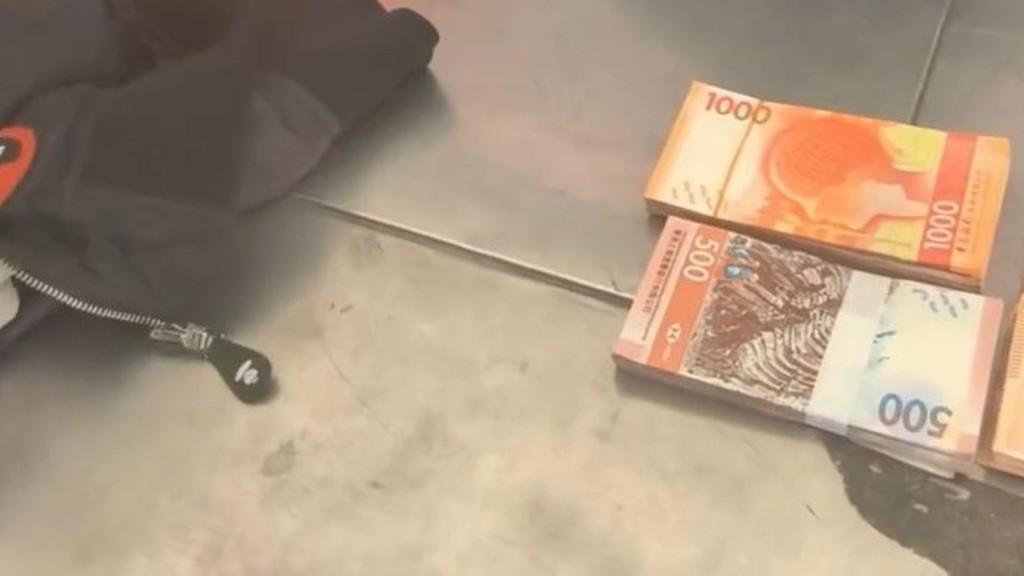

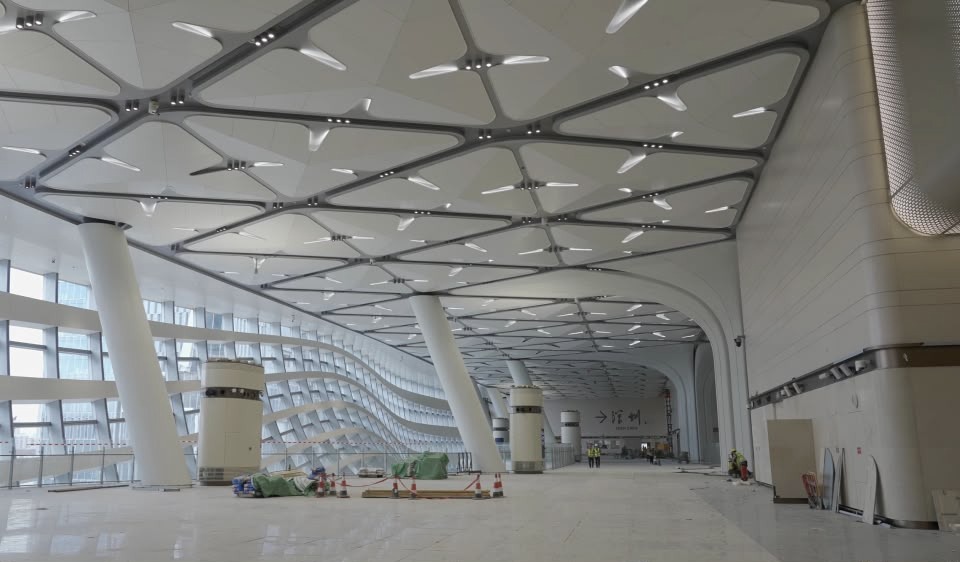
Beneath a ceiling patterned after Shenzhen’s bougainvillea, travelers at the rebuilt Huanggang Port will eventually move from rail connections to immigration clearance without stepping outdoors—and, in most cases, without having to queue twice.
The long-awaited 24-hour crossing moved another step closer to opening on Thursday after Hong Kong and Shenzhen signed agreements establishing the framework for the colocation of their immigration facilities.
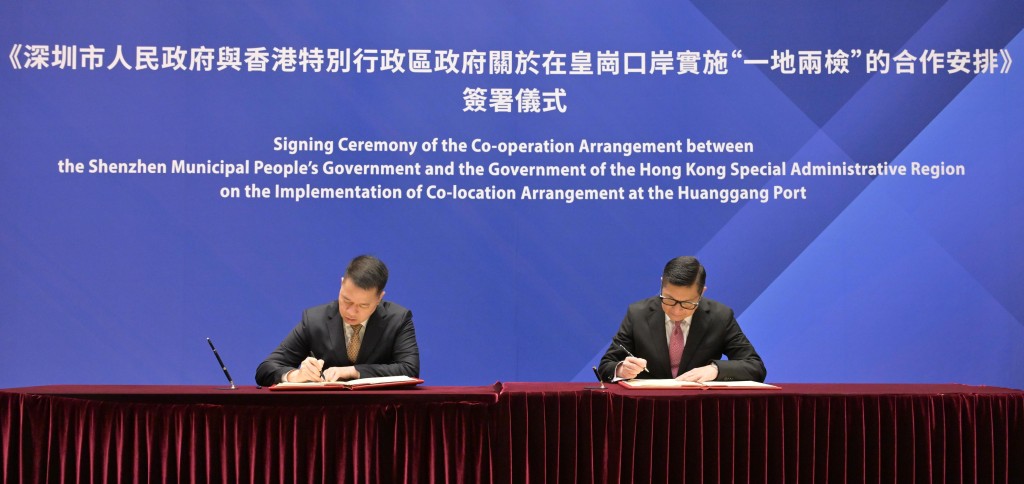
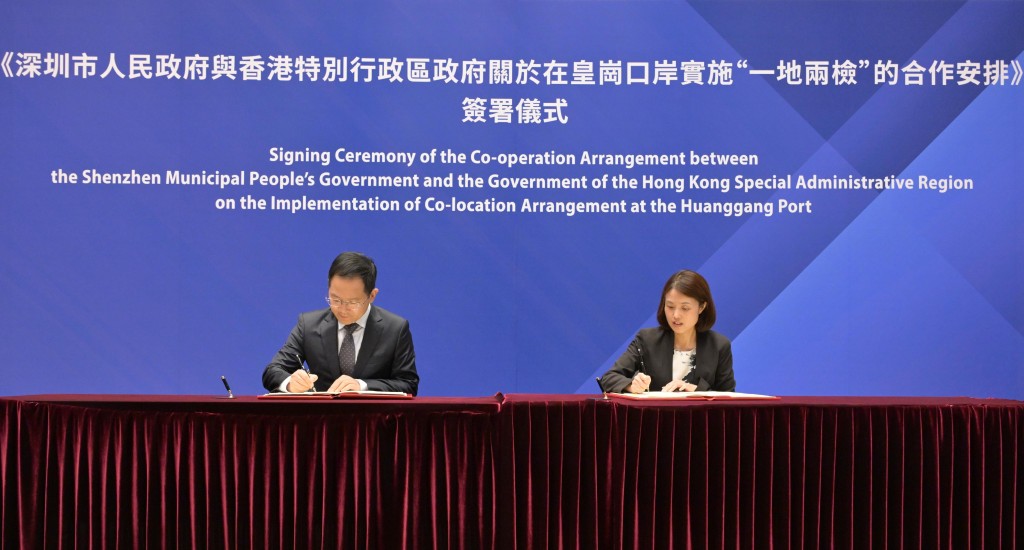
Secretary for Security Chris Tang Ping-keung and Shenzhen Vice Mayor Luo Huanghao signed the cooperation agreement at the Central Government Offices. A separate agreement grants the Hong Kong government the right to use the Hong Kong Port Area until June 30, 2047, for a symbolic annual rent of 1,000 yuan.
The Hong Kong Port Area will come under SAR jurisdiction from midnight on Friday, although this does not mean the checkpoint will immediately open to passengers.
Hong Kong and Guangdong authorities will determine the official opening date after completing system testing, operational trials and emergency response drills, and confirming that the facilities and clearance procedures can operate safely and smoothly.
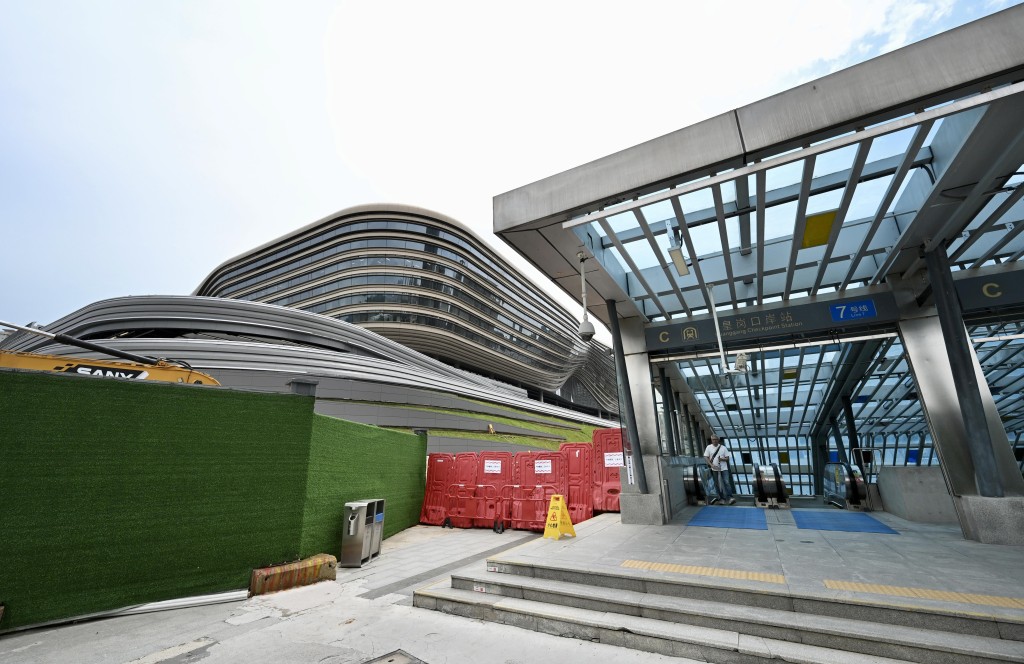
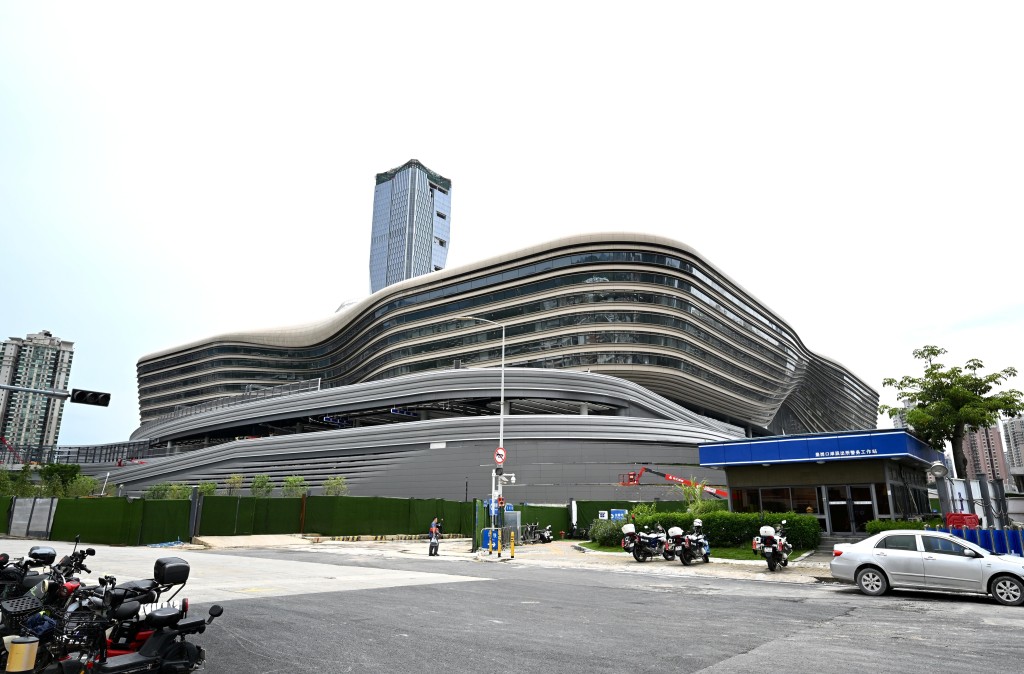
Once commissioned, the rebuilt Huanggang Port will be positioned as the most important 24-hour passenger land crossing between Hong Kong and Shenzhen.
Its initial design capacity is 200,000 passenger trips a day, rising to about 300,000 after the future opening of the MTR Northern Link Spur Line. The railway will connect directly to the multistory checkpoint in Shenzhen, further integrating the port into the cross-border transport network.
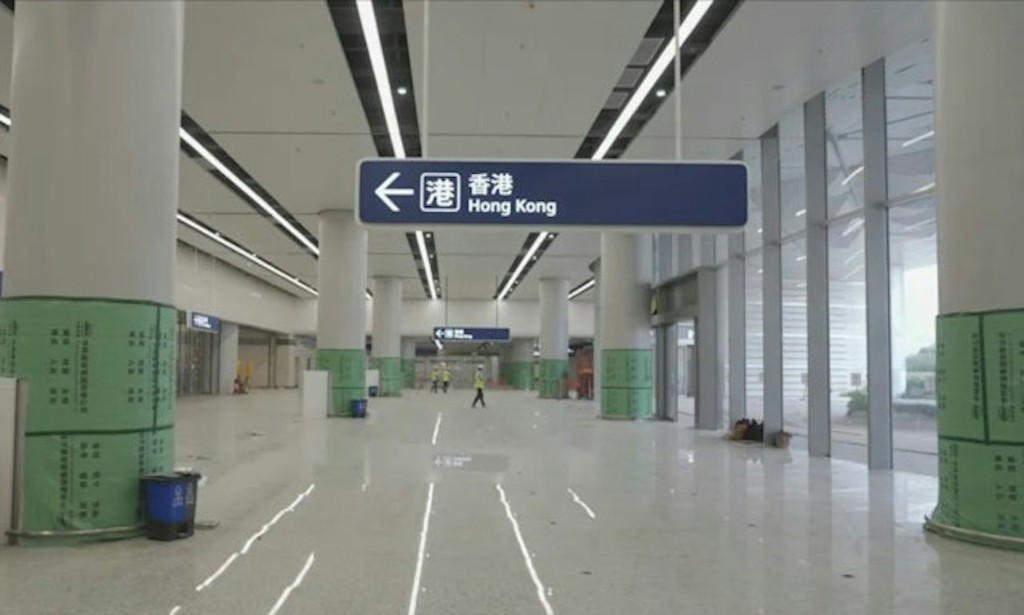
A media tour of the largely completed Shenzhen section offered a first look at how the new crossing aims to make the border feel less like an interruption to a journey.
Bright white walls and ceilings bring natural light into the passenger areas, while decorative elements inspired by the bougainvillea—Shenzhen’s official flower—soften the scale of the vast immigration halls.
At the heart of the new experience is the “collaborative inspection and joint clearance” system, which will allow eligible travelers to complete Hong Kong and mainland immigration procedures after joining a single line.
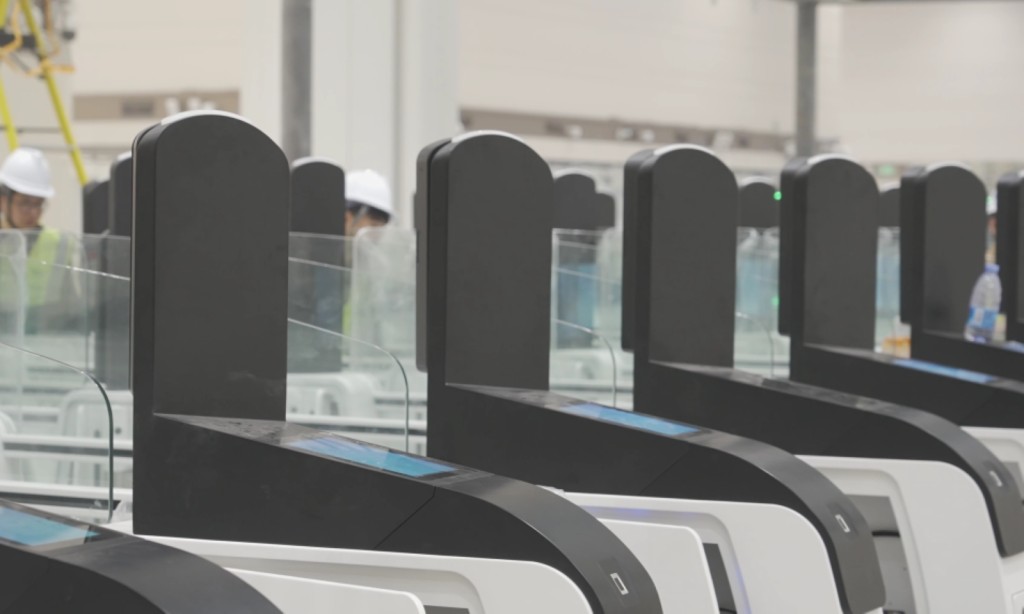
The automated channels feature three sets of gates. The first reads travel documents and confirms eligibility to use the channel, the second collects biometric information such as fingerprints and facial images, and the third completes the final clearance process.
The arrangement is expected to cut the overall clearance time from about 30 minutes at the existing Lok Ma Chau-Huanggang crossing to approximately five minutes.
Smart inspection equipment and information-sharing mechanisms will also be used for customs and health quarantine procedures, with authorities seeking to maintain border security while reducing repeated checks.