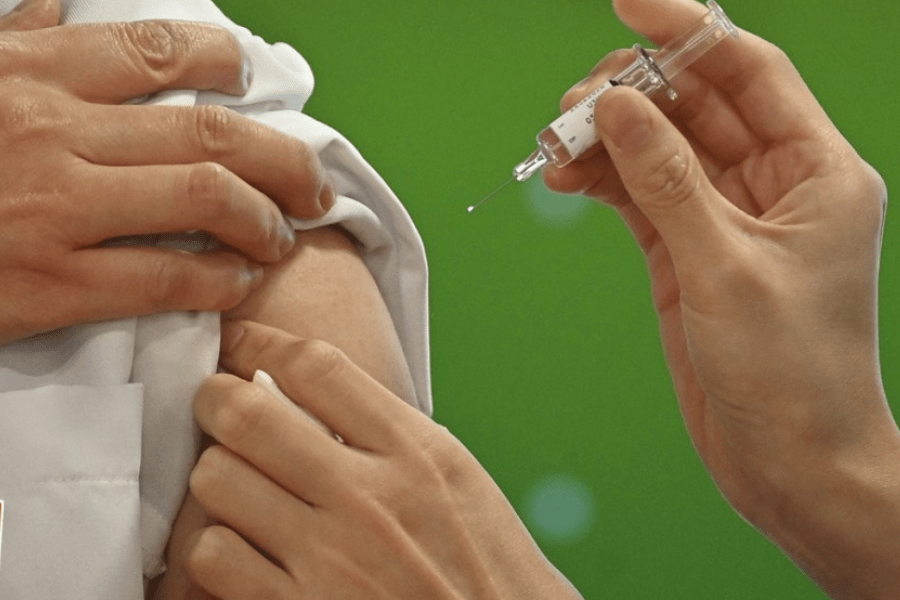
A recent survey reveals that individuals with weakened immunity face up to 15 times the risk of developing shingles (herpes zoster), prompting calls for government vaccine subsidies.
Conducted by a coalition of seven patient organizations, the survey interviewed 413 respondents, most of whom have autoimmune diseases.
It found that kidney transplant patients face an eight-fold higher risk of shingles and a 15-fold higher risk of complications.
Among the nearly 40 percent who reported shingles, one-third experienced recurrences, and one in five required hospitalization.
More than 80 percent of high-risk individuals have never been vaccinated, while over 60 percent of organ transplant recipients were unaware that a shingles vaccine even exists.
Notably, 97 percent of respondents supported government subsidies for high-risk groups, with 74 percent willing to accept a co-payment model.
Tim Pang Hung-cheong, representative of Patients' Alliance on Healthcare Reform, suggested the subsidy scheme to prioritize rheumatology and organ transplant patients before gradually expanding to other chronic disease patients.
Some also recommended the introduction of the shingles vaccine into disease management for individuals with weakened immunity to enhance prevention among high-risk groups.
Currently, the shingles vaccines in Hong Kong are not included in the government vaccination programs or the Vaccination Subsidy Scheme