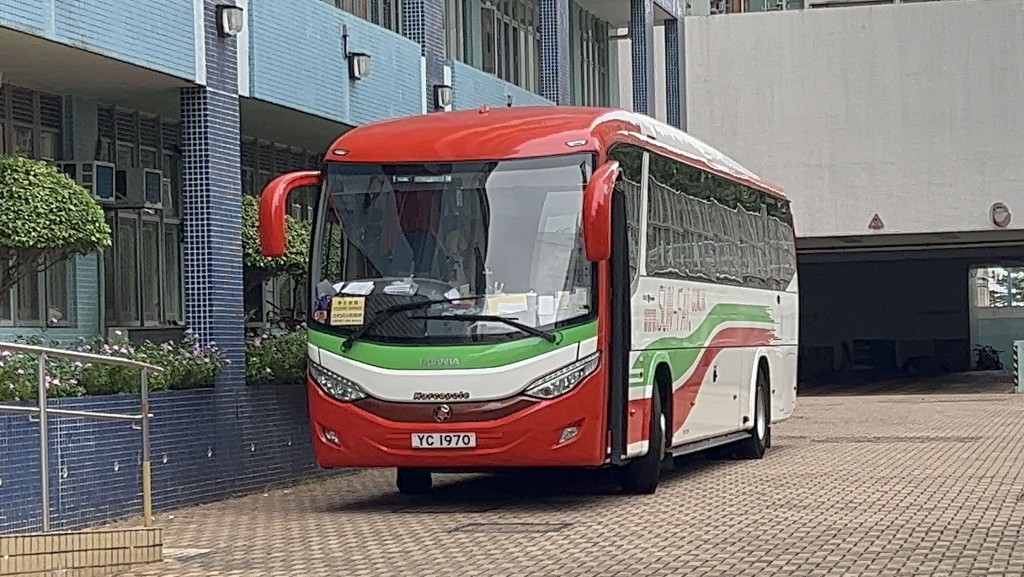
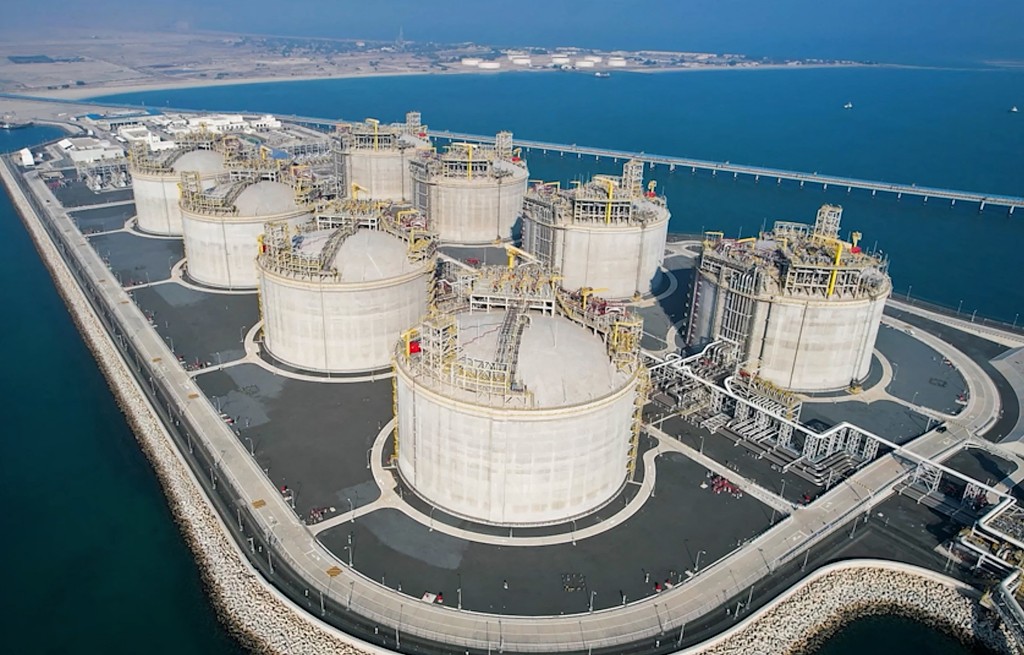
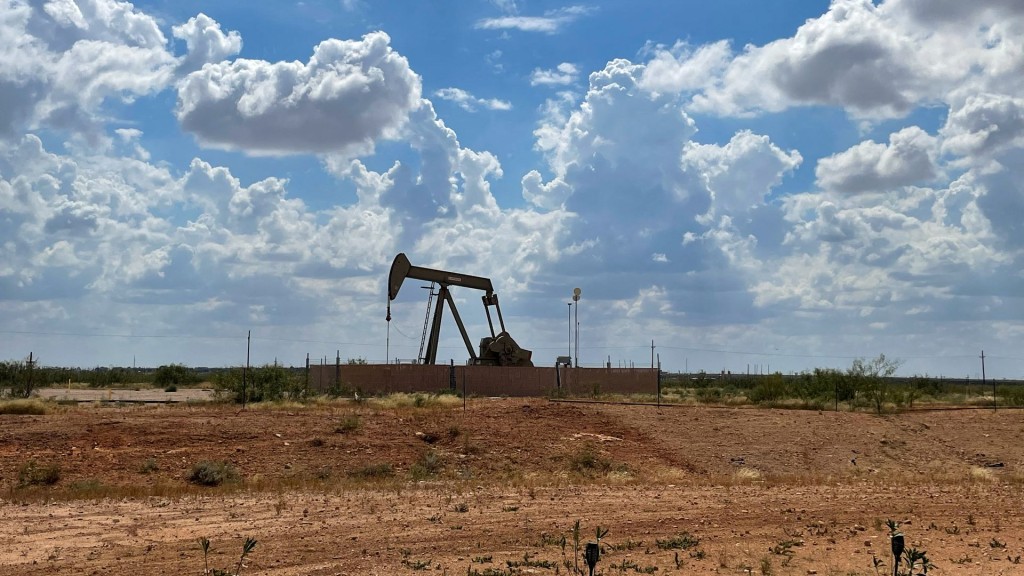
The government has been urged to intervene and offer temporary subsidies as school bus operators face mounting operational pressure from surging international oil prices driven by ongoing Middle East conflicts.
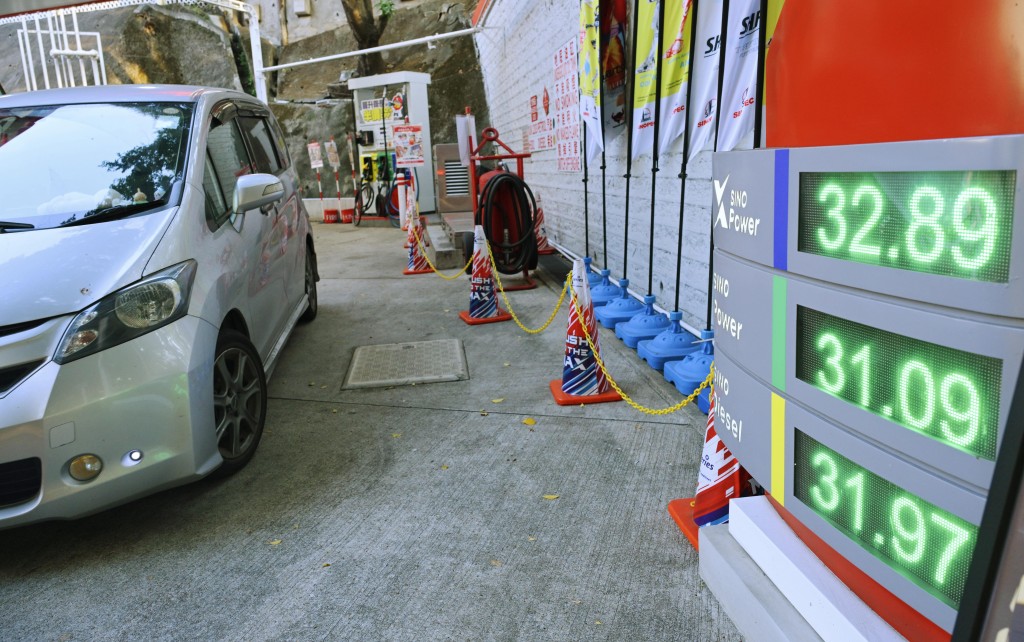
Speaking on a radio program on Wednesday, Au, a representative of Affluent Coach Services Company, noted that recent sharp rises in fuel prices have added heavy pressure on the school-bus industry. Fuel costs have grown from just over 10 percent of operating expenses to nearly 20 percent, leaving an already thin-margin sector anxious and struggling to cope.
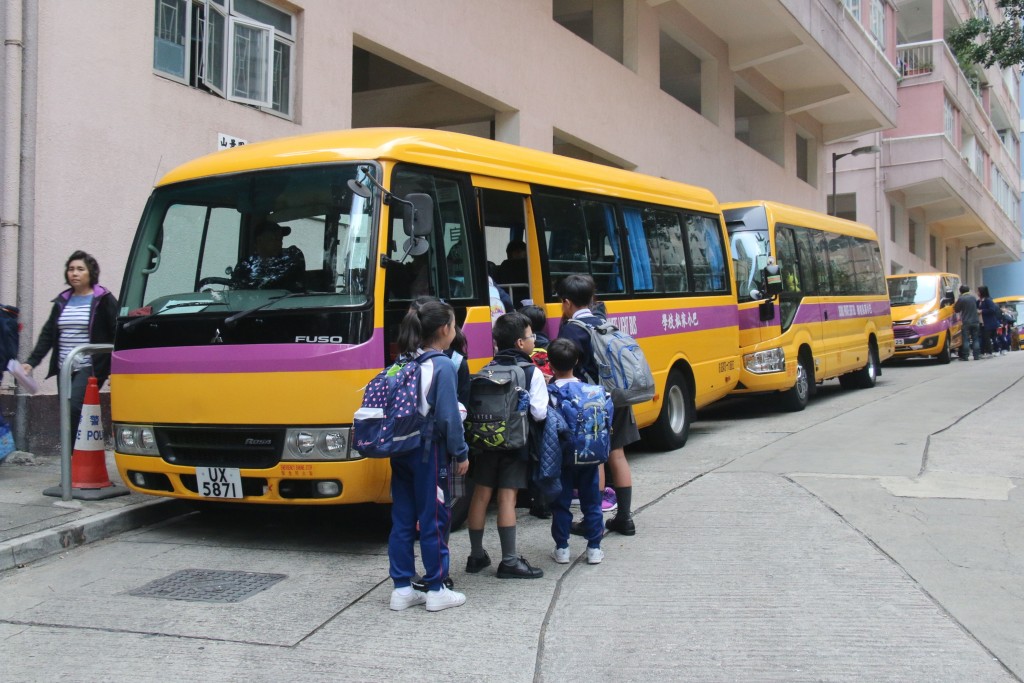
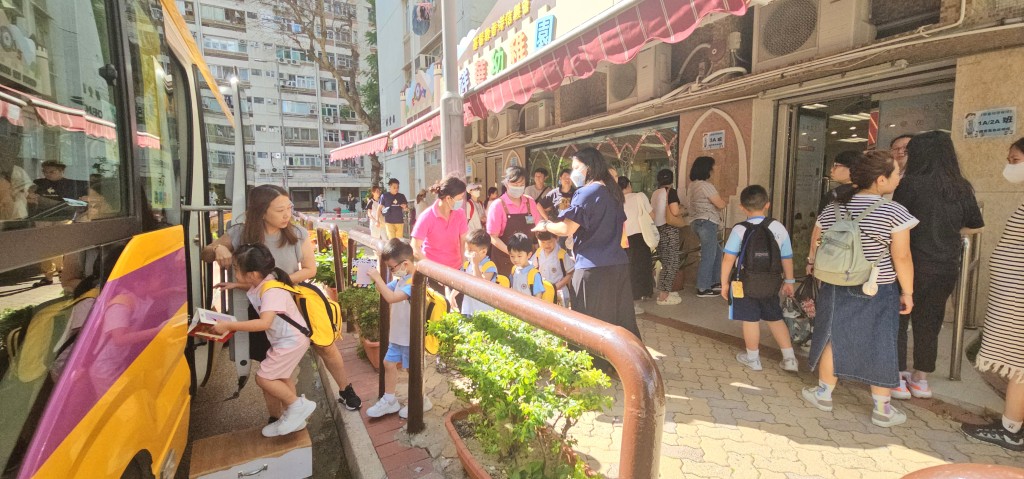
Au’s company runs 13 school buses, serving around 400 students from six secondary, primary schools and kindergartens in Sha Tin, with monthly fees ranging from HK$800 to HK$900. The company also provides group transportation and charter services.
She explained that school bus fares cannot be adjusted immediately, as operators can only file applications in March and April each year for fare changes to take effect in the new academic year starting in September, in accordance with contracts signed with schools.
Even when applying for a price hike, she noted that the acceptable range under contracts and for parents is usually 5 to 8 percent. Any increase beyond 8 percent could drive parents away.
She added that the shrinking student population has already led to an annual dropout rate of 10 to 15 percent under normal circumstances.
Au called on the government to introduce a temporary surcharge subsidy scheme, which could be suspended once oil prices return to normal levels. She noted that the move would relieve pressure on both operators and parents.
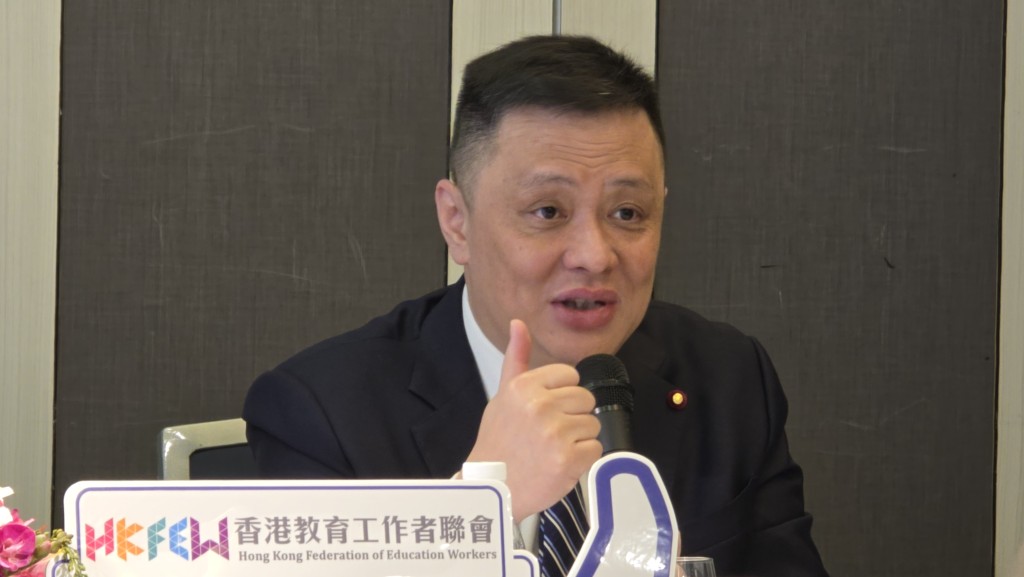
Lawrence Tang Fei, lawmaker from the education sector, acknowledged the pressure on school-bus operators and agreed that government support is needed.
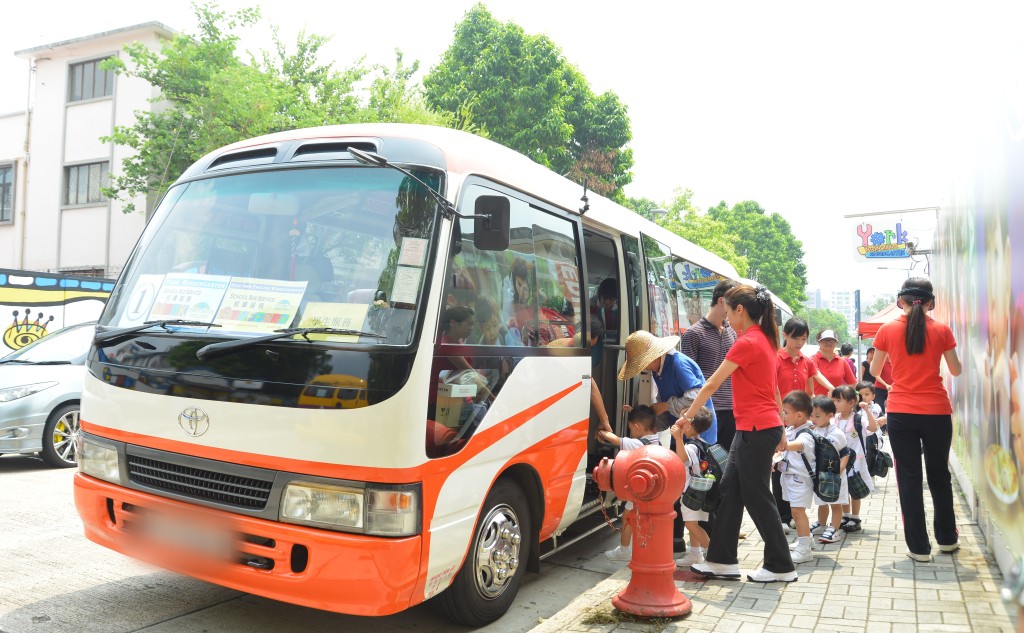
He stressed that school bus services are essential for many students, especially younger ones, as not all families can afford domestic helpers or rely on relatives for daily trips. He suggested providing direct subsidies to parents.
Noting that the school bus sector has been struggling since the pandemic, with some operators having closed down during class suspensions, Tang said the shrinking student numbers have further worsened the situation.
He urged the Transport Department and the Education Bureau to set up an emergency response mechanism to tackle the impact of volatile oil prices and commodity price fluctuations on residents’ livelihoods, given the unpredictable situation in the Middle East.