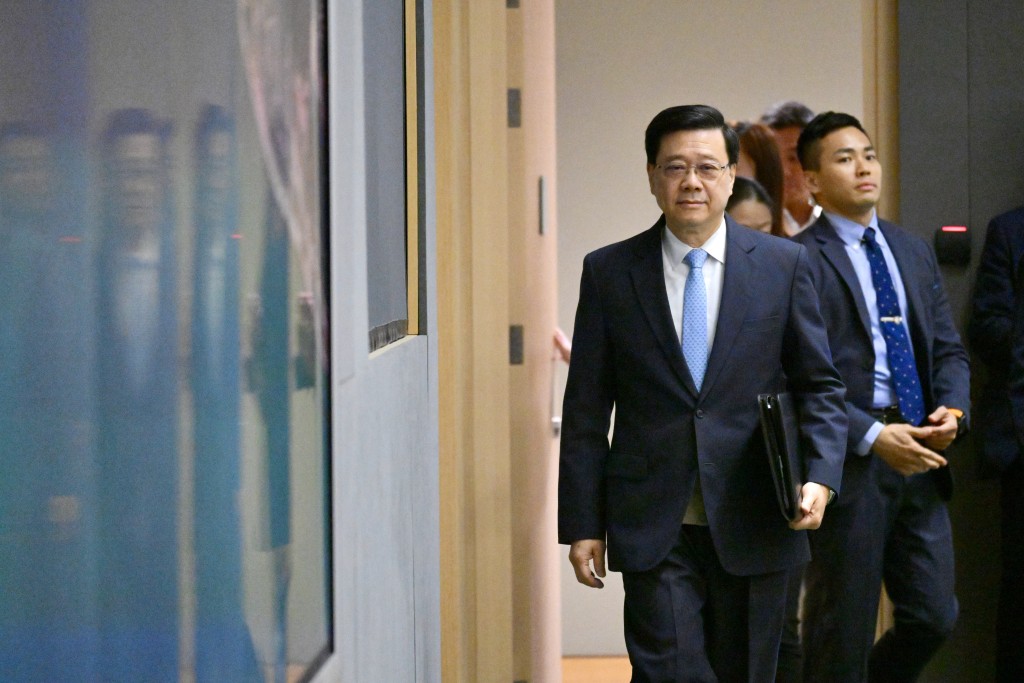
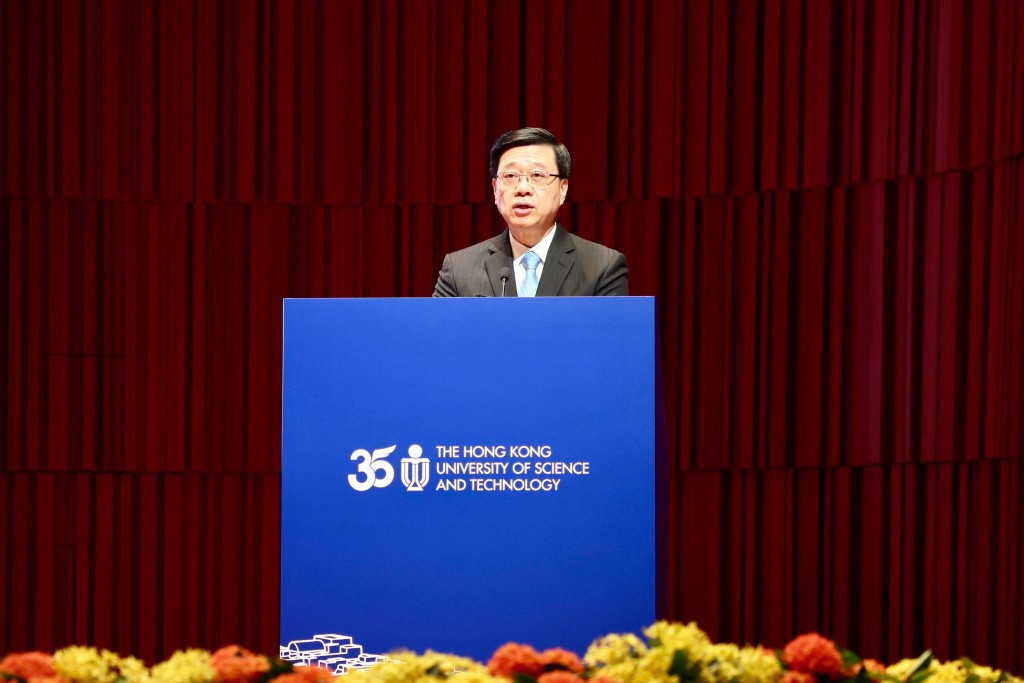
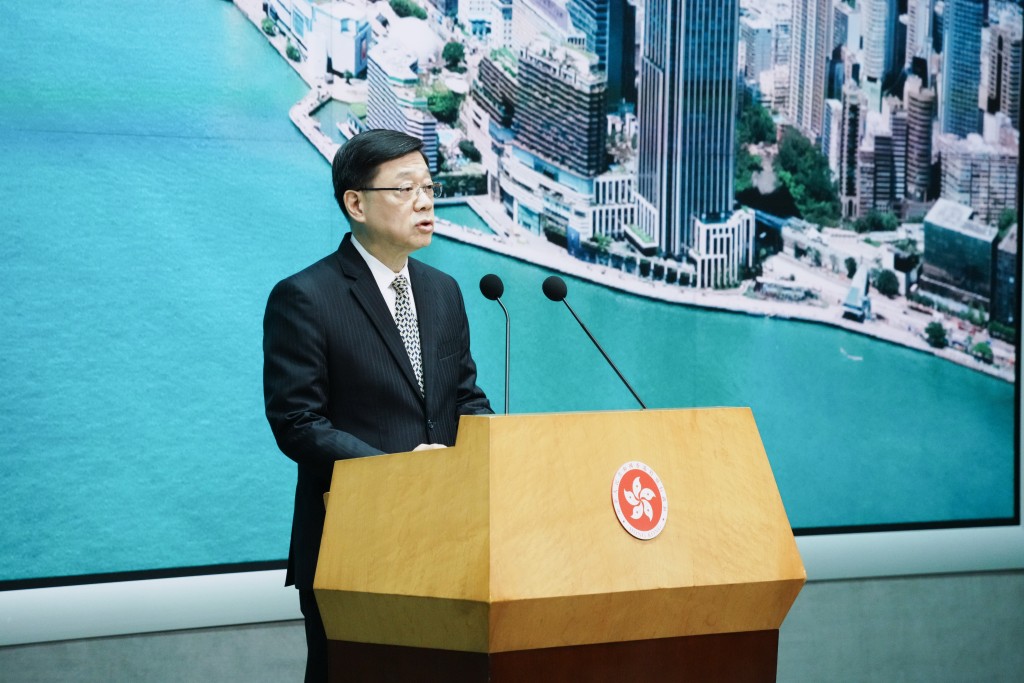
Chief Executive John Lee Ka-chiu said Tuesday that ongoing tensions in the Middle East are expected to cause short-term volatility in Hong Kong, but he remains optimistic about the region's medium- to long-term prospects. Lee emphasized that while immediate challenges are likely, opportunities for growth could outweigh the difficulties in the longer run.
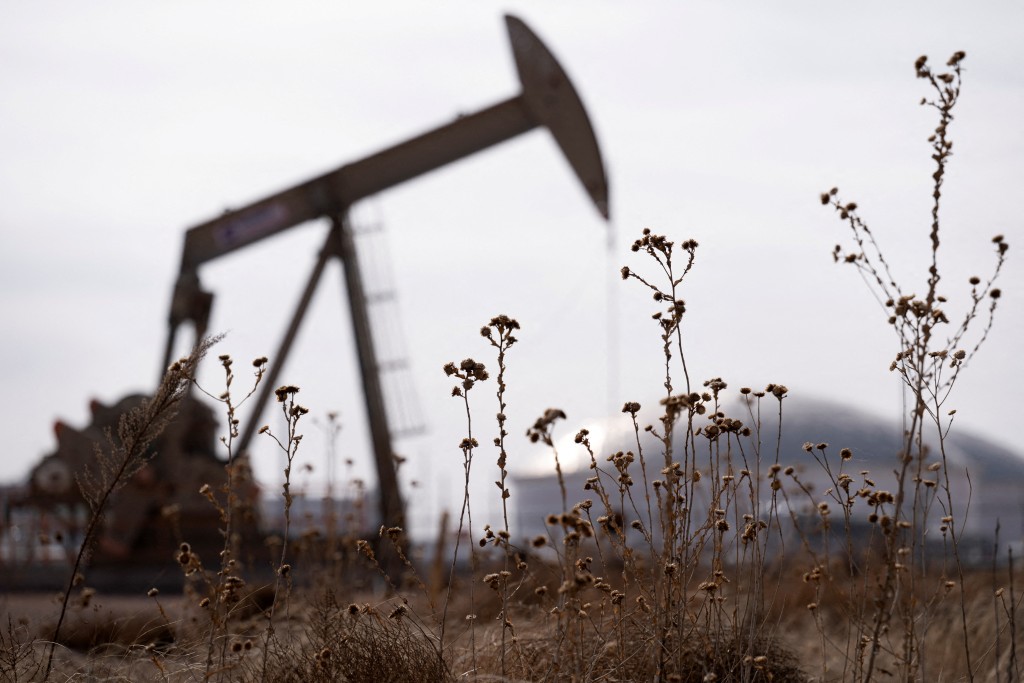
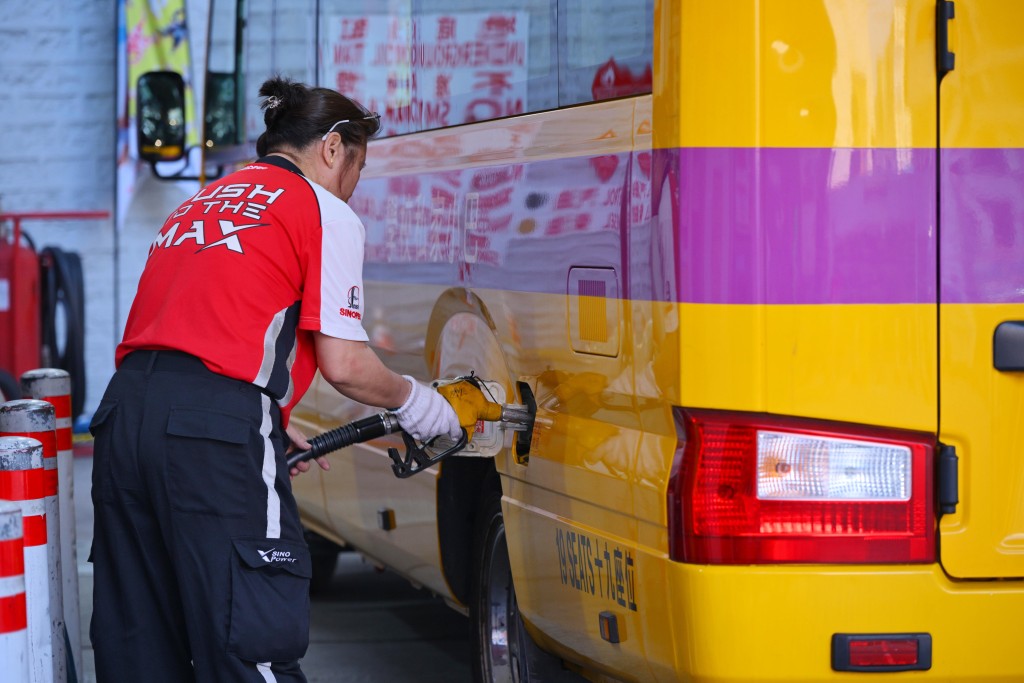
Lee noted that the recent blockage of the Strait of Hormuz has disrupted crude oil transportation and led to higher prices and reduced supply. As a result, air traffic has come under increased pressure, with flight reductions and rising fuel costs causing airfares and commodity prices to climb.
However, Hong Kong will continue to receive capital inflows in the medium to long term, positively impacting risk management, family offices, and offshore renminbi business, he said.
Lee also highlighted Hong Kong’s strengths, such as its global and mainland connectivity, free port status, and financial openness, which reinforce its position as a ‘super-connector.’ Despite expected challenges, Lee reiterated that the city’s medium- to long-term development opportunities remain strong.
He said the government has already reached out to power companies, oil suppliers, airlines, and public transport providers to ensure stable supplies and to encourage emergency planning and consideration of alternative supply sources.
Lee stressed that any price increases must be transparent and justified. He said departments would closely monitor changes and act against unfair competition or price collusion. Authorities will also step up efforts to combat illegal fuel smuggling, he added.
He assured that Hong Kong’s cooperation with Middle Eastern partners would not be affected or delayed by the ongoing conflicts.
Lee also noted that, given regional instability, Middle Eastern countries are looking to diversify their financial risks. He said Hong Kong’s stability and strong market connections make it an increasingly attractive destination for capital.