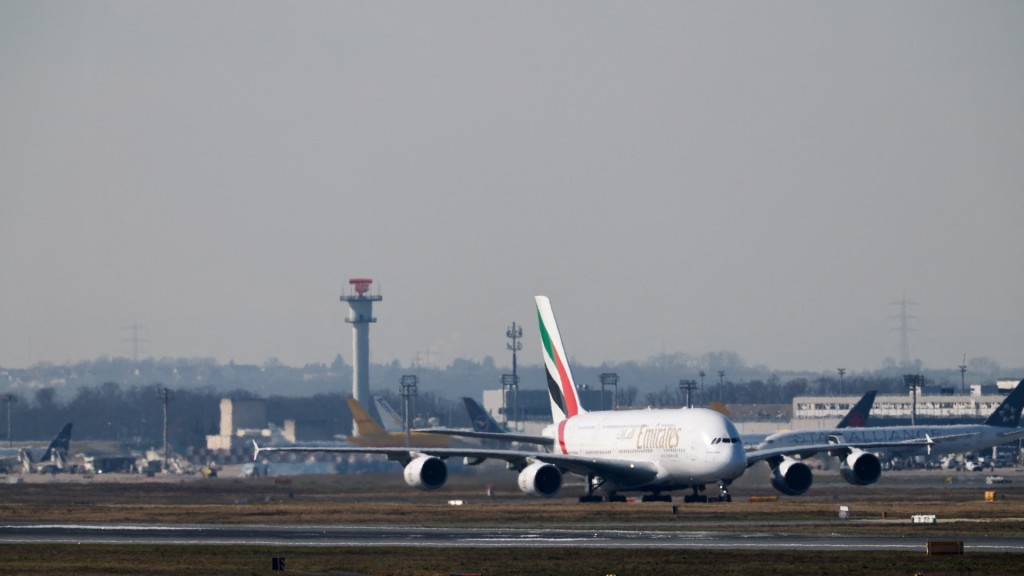
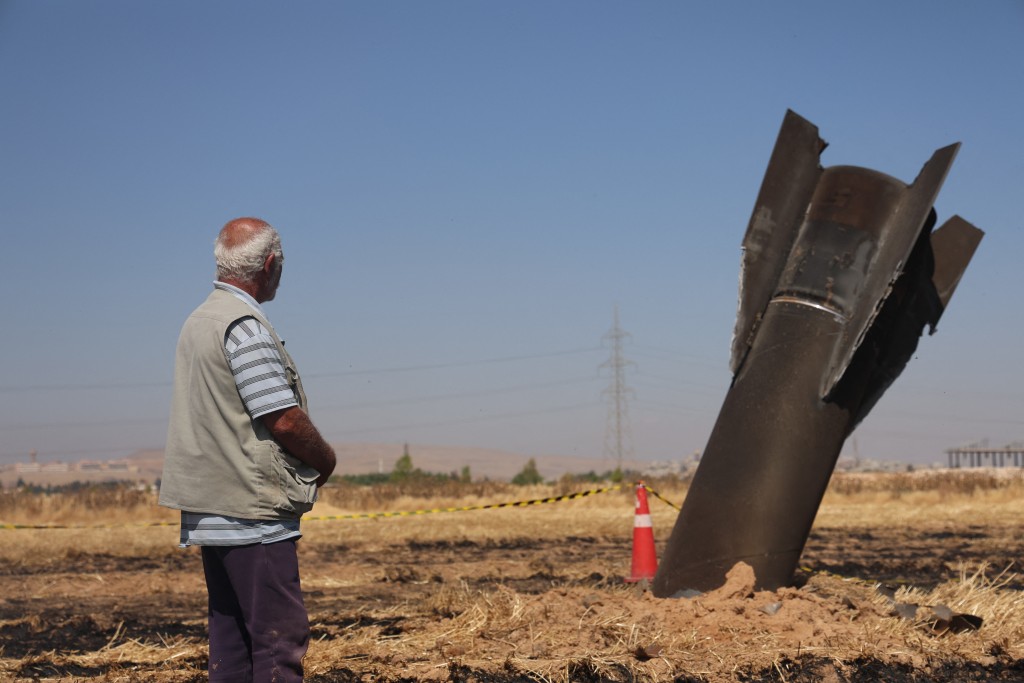
The ongoing conflict in the Middle East is wreaking havoc on the aviation industry, causing widespread GPS interference, forced flight reroutes, and higher fares, according to a leading Hong Kong pilot representative.
Steven Cheung King-lung, chairman of the Hong Kong Professional Airline Pilots Association, sounded the alarm during a radio interview on Thursday. He said that pilots traversing western Turkey, Saudi Arabia, and southern Ukraine are now regularly encountering GPS jamming and spoofing, forcing them to cross-verify flight paths using backup navigation systems.
"Pilots must confirm routes with alternative aids such as ground-based navigation or cross-checks with aircraft systems," Cheung explained.
Cheung warned that failures in these backup systems could result in aircraft inadvertently entering active conflict zones and the potential risk of missile strikes.
The situation is further complicated by the closure of all central Middle Eastern airways, which includes the skies over Iran, Iraq, Qatar, Bahrain, Kuwait, and Syria. Many flights between Europe and Asia have been rerouted through Turkey or Azerbaijan, then across Afghanistan, he added. This has led to congested air corridors and an increased workload for pilots.
Cheung added that Afghanistan currently has no air traffic control services, so pilots have to coordinate directly with each other to maintain safe spacing. While he assessed the overall risk as low, he admitted it significantly increases pilot stress and responsibility.
Cheung noted that the United Arab Emirates recently opened safe air corridors, allowing flights to Europe to travel via Saudi Arabia and those to Asia to pass through Oman. However, these detours add 30 to 60 minutes to flight times.
With oil prices expected to rise due to the conflict, Cheung said airlines will increase fuel surcharges and ticket prices. He also anticipated that seat availability on Hong Kong–Europe flights would face significant pressure in the short-to-medium term, especially for routes carrying transfer passengers.