Hong Kong legislators on Thursday called for broadened use of tokenized real-world assets—including property and insurance products—as part of efforts to diversify the city's economic growth drivers.
The proposals were made during a Legislative Council debate on a non-binding motion moved by lawmaker Eunice Yung Hoi-yan.
Tokenization as a financial innovation
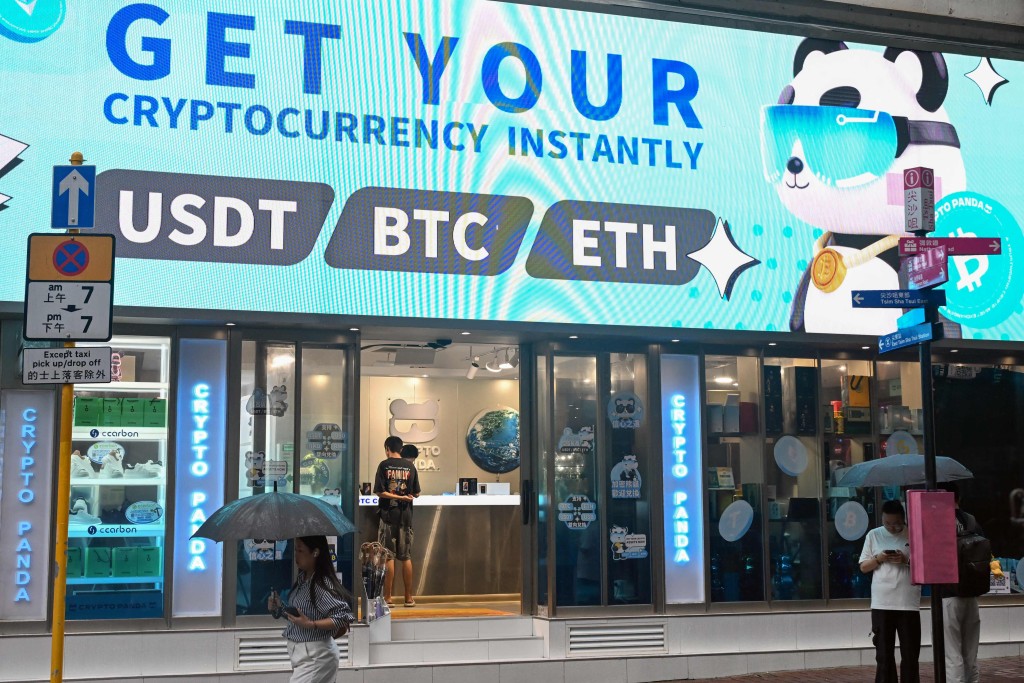
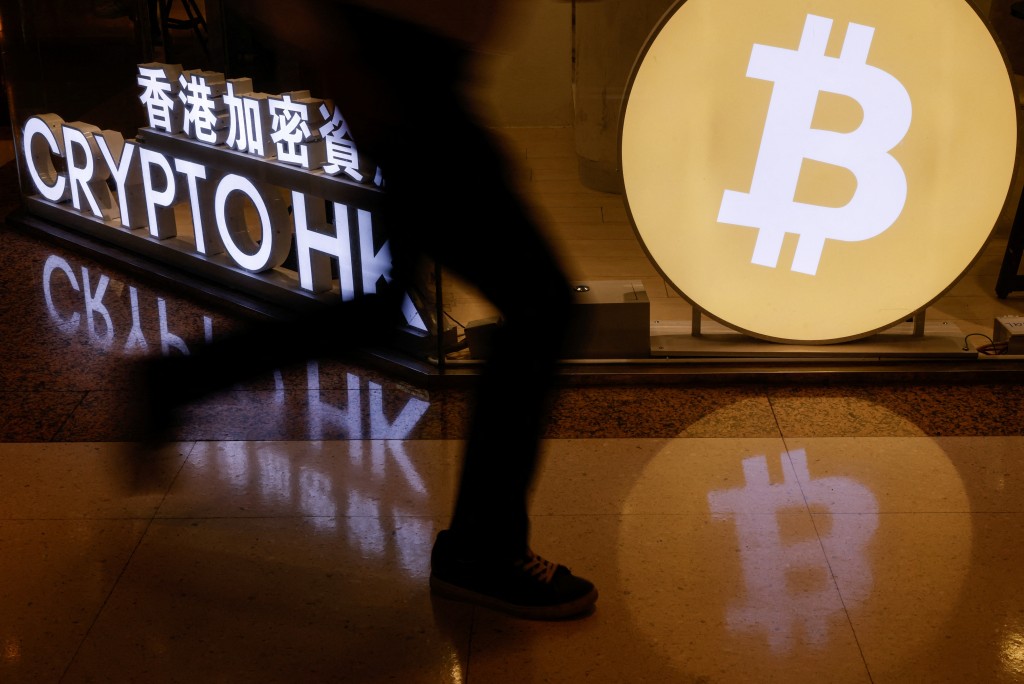
Financial sector representative Ronick Chan Chun-ying highlighted virtual assets' growing prominence, noting their evolution from niche technological products to mainstream investment vehicles.
The lawmaker said Hong Kong has established a licensing regime for virtual asset trading platforms, effectively mitigating operational risks. He also emphasized the government's cautious yet proactive regulatory approach.
Chan urged authorities to expand tokenization applications, suggesting real estate and insurance products could circulate as digital tokens to facilitate cross-border trade and daily payments.
Tech and certification as growth engines
Jimmy Ng Wing-ka of the Business and Professionals Alliance stressed the need for innovation in technology, certification, and finance to propel economic growth.
"Innovative technology is the locomotive of global economic expansion," Ng asserted, pointing to the Northern Metropolis as Hong Kong's future innovation hub, with a focus on healthcare, biotech, and life sciences.
Ng also proposed modernizing Hong Kong's certification industry—a sector with a 50-year legacy—by expanding its scope to include wine exports and traditional Chinese medicine.
On financial innovation, he advocated for a well-regulated stablecoin ecosystem, including offshore yuan-pegged stablecoins, to reinforce Hong Kong's status as a financial center.
Strategic resource allocation
Fellow alliance member Benson Luk Hon-man cautioned against spreading resources too thinly amid fiscal constraints, adding that authorities must maximize cost-effectiveness with limited resources.
He suggested promoting niche sectors like the event economy and yacht tourism, citing Hong Kong's 260 outlying islands and global yacht trade—worth US$40 billion annually—as untapped opportunities.
Legislative break with a call to action
As today marked the last session before the Council's month-long summer recess, Legislative Council President Andrew Leung Kwan-yuen urged lawmakers to use the break productively.
He hoped lawmakers would use the break to brainstorm ideas for the Chief Executive's upcoming policy address, also reminding members to recharge and spend time with family. The Council will resume on September 3.