Hong Kong depression patients exhibit significantly higher rates of attempted suicide compared to international estimates, with a substantial proportion likely suffering from treatment-resistant depression (TRD), according to a recent survey.
This came as the Hong Kong Association of Psychosocial Rehabilitation conducted the study between July and October last year, surveying 106 individuals with mood disorders, including 61 diagnosed with depression.
Among them, over 80 percent reported suicidal thoughts, while close to 30 percent had attempted suicide.
The association compared the findings against global research on attempted suicide rates and found that local survey recorded a rate of 42.9 percent among patients with depression lasting four to six years, nearly double the average figure of 23.3 percent internationally, suggesting a higher prevalence of TRD among Hong Kong patients than previously assumed.
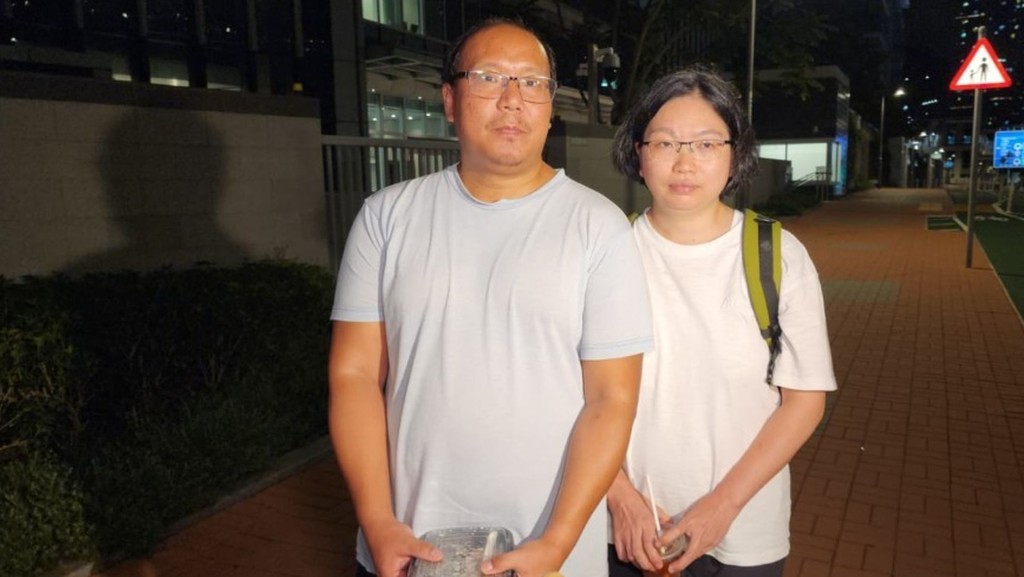
(photo provided by HKAPR) chairman Michael Wong Ming-cheuk
Michael Wong Ming-cheuk, a psychiatrist and chairman of the association, explained that TRD refers to severe depression cases where patients do not respond adequately to at least two types of antidepressants.
Citing local university research, he noted that approximately 18 percent of depression patients develop TRD within six years of diagnosis.
With an estimated 300,000 depression patients in Hong Kong, this translates to around 54,000 individuals living with TRD.
International studies indicate that TRD patients face a suicide attempt rate 10 times higher and a suicide rate twice as high as those with non-resistant depression.
"Hong Kong lacks official statistics on TRD, leaving these patients 'invisible' within the healthcare system,” Wong said, warning that oversight could lead to a hidden mental health crisis, worsening outcomes for patients and caregivers while straining public medical resources.
The survey also revealed significant hospitalization needs among depression patients.
Over 40 percent required inpatient treatment, and more than 60 percent of those discharged were readmitted later.
Timothy Yeung Ming-hong, vice chairman of HKAPR, stressed that the findings underscore the urgency of expanding support for TRD patients, including better access to advanced treatments like intranasal antidepressants and improved public education on depression.
The association therefore urged authorities to establish official TRD tracking systems and enhance psychiatric care protocols to address this growing challenge.
(Ayra Wang)